

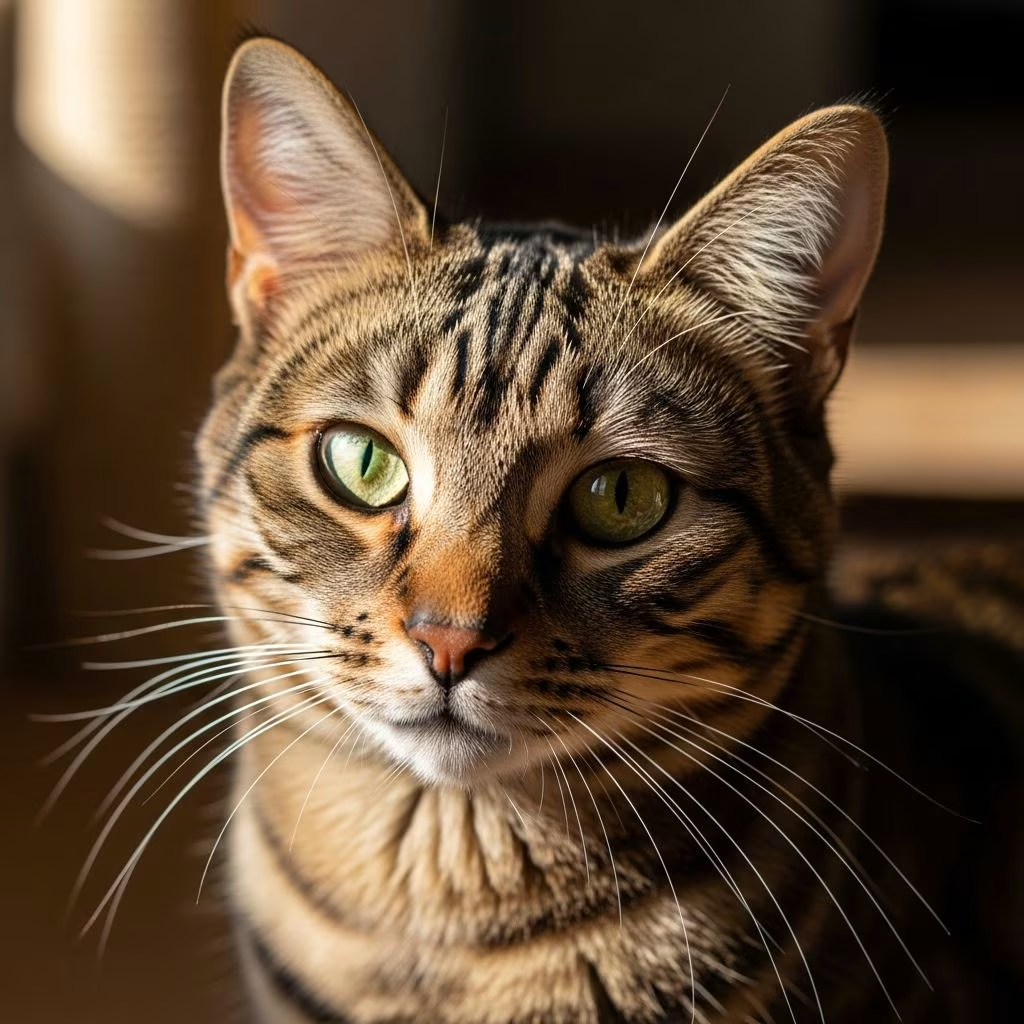
Estrous Cycles in Cats: A Complete Guide for Cat Owners
The estrous cycle in cats, commonly referred to as the heat cycle, is a natural reproductive process that every intact female cat experiences. Understanding this cycle is essential for cat owners, whether you’re planning to breed your cat or simply want to manage her behavior during this time. The complete estrous cycle of a cat can range from one to six weeks, with the average cycle length being about three weeks. This guide will help you understand the different stages of the cycle, recognize the signs of heat, and learn what to expect as your cat matures.
When Do Cats Reach Sexual Maturity?
One of the first things cat owners should know is when their female cat will begin her reproductive cycles. Female cats have their first estrous cycle when they reach puberty, which marks the onset of sexual maturity. On average, puberty occurs in cats at about six months of age, though this timing can vary slightly depending on the time of year and the number of daylight hours. Cats are considered long-day breeders, meaning that exposure to longer daylight hours triggers the onset of their reproductive cycles. This is why some cats may reach puberty slightly earlier or later depending on seasonal variations and environmental factors.
It’s important to note that cats can become pregnant very early in life, sometimes even before their first birthday. If you’re not planning to breed your cat, spaying her before her first heat cycle is recommended by veterinarians to prevent unwanted pregnancies and to reduce the risk of certain reproductive health issues.
How Often Do Cats Come Into Heat?
Cats are seasonally polyestrous, which means they experience multiple heat cycles during the breeding season. The frequency and duration of the breeding season vary according to geography and environmental factors such as temperature and daylight hours. In the Northern Hemisphere, cats usually cycle from January until late fall, while cats in more tropical regions or those kept primarily indoors may cycle year-round because of the increased number of daylight hours. This means indoor cats may experience more frequent heat cycles than their outdoor counterparts during winter months.
If a female cat is not mated during her estrous period, she will typically go out of heat for a short period of time—usually about seven days, though this can range from 2 to 19 days. After this brief rest period, she will cycle back into heat again. This repeated cycling continues until the cat either mates and becomes pregnant, or is spayed by a veterinarian.
Understanding the Stages of the Estrous Cycle
The feline estrous cycle consists of several distinct phases, each with its own characteristics and duration. Understanding these stages will help you recognize what your cat is experiencing and anticipate her behavior patterns.
Proestrus
Proestrus is the initial stage of the heat cycle, typically lasting one to two days. During this phase, estrogen levels begin to rise, but most cat owners won’t notice any obvious behavioral changes in their cats. Your female cat may show only subtle signs of increased affection or mild vocalization. However, intact male cats in the vicinity may become interested in the female during this time, even though she is not yet receptive to mating.
Estrus (Heat)
Estrus is the most noticeable and active stage of the heat cycle. During this phase, the female cat is sexually receptive and ready to mate. Each heat period generally lasts several days, with the average length being seven days; however, it can range from 1 to 21 days. This is when cat owners typically notice the most dramatic behavioral changes in their pets.
Interestrus or Metestrus
If a female cat does not mate during estrus, she will enter the interestrus phase, also called metestrus. During this period, her heat behaviors decrease significantly, and she experiences a brief rest period before cycling back into heat. This phase typically lasts from a few days to several weeks, depending on individual cats and environmental factors.
Diestrus
Diestrus occurs when a cat has been mated and ovulation has taken place. If the eggs are not fertilized, the cat may experience a condition called pseudopregnancy, which can last 35 to 40 days. If the eggs are fertilized, the cat will enter pregnancy, which typically lasts 60–64 days.
Anestrus
Anestrus is the inactive phase of the reproductive cycle when your cat is not cycling or showing heat behaviors. This stage typically occurs during periods of shorter daylight hours, usually in winter months. During anestrus, there is little to no hormone activity, and the cycle essentially pauses until photoperiod conditions trigger the resumption of cycling.
Recognizing the Signs of Estrus
The most notable signs of estrus in cats are behavioral. Recognizing these signs will help you understand what your cat is experiencing and determine whether she needs veterinary attention or simply management strategies.
Behavioral Changes
Most cats become very affectionate, even demanding, when they’re in heat. Your cat may persistently rub against you, your furniture, or other objects in the house, constantly seeking attention. She may roll on the floor more frequently than usual. One of the most distinctive signs is her response to being petted along the back or spine—she will raise her rear quarters into the air and tread with her back legs, assuming what’s called the lordosis position or mating stance. This behavior is often misinterpreted by cat owners as pain or illness, but it’s actually a normal part of the heat cycle.
Vocalization
Cats become very vocal when in heat, producing loud meows and calls that can be quite disturbing, especially at night. Some cats may sound as though they’re in distress, but this excessive vocalization is a normal part of their reproductive behavior and is used to attract male cats.
Marking and Urine Changes
Some female cats urinate more frequently or may even spray urine on vertical objects (marking) when they are in heat. The urine contains pheromones and hormones, both of which signal her reproductive state to other cats and can attract tomcats (intact male cats). If your home has outdoor access or if tomcats are nearby, they may spray urine on your house to mark the territory and female cat as theirs; they may even attempt to enter the house to mate with the female.
Restlessness and Escape Attempts
During estrus, female cats often become restless and may attempt to escape the house to find a mate. This behavior change can be challenging for indoor cat owners and requires careful management to prevent accidental outdoor escapes.
How Long Does Estrus Last?
Understanding the duration of the heat cycle is important for managing your cat’s behavior and planning any necessary preventive measures. Each heat period—the time during which the cat is receptive to males—generally lasts several days, with the average length being seven days; it can range from 1 to 21 days. The variation in duration means that some cats may be in heat for only a few days, while others may remain in heat for up to three weeks.
If the queen (an intact female cat) is not mated during estrus, she will go out of heat for a short period of time—usually about seven days, but it can range from 2 to 19 days. Therefore, the complete estrous cycle of a cat can range from one to six weeks, with the average cycle length being about three weeks.
Comparison of Heat Cycle Phases
| Phase | Duration | Visible Signs | Receptive to Mating |
|---|---|---|---|
| Proestrus | 1-2 days | Minimal behavioral changes | No |
| Estrus (Heat) | 1-21 days (avg. 7 days) | Vocalization, affection, lordosis, marking | Yes |
| Interestrus | 2-19 days | Decreased heat behaviors | No |
| Diestrus | 35-40 days (if not pregnant) | Minimal or pseudopregnancy signs | No |
| Anestrus | 2-3 months | No heat activity | No |
Managing a Cat in Heat
When your cat is in heat, there are several management strategies you can employ to help both you and your cat during this challenging time. Keep your cat indoors to prevent unwanted pregnancies and escape attempts. Provide extra attention and play to help channel her restless energy. Some owners find that playing calming music or using feline pheromone diffusers can help reduce stress and anxiety during the heat cycle. However, the most effective long-term solution is spaying, which eliminates the heat cycle entirely and provides numerous health benefits.
Why Spaying Is Important
Spaying your cat before her first heat cycle offers significant health and behavioral benefits. It eliminates the disruptive behaviors associated with heat cycles, prevents unwanted pregnancies, and reduces the risk of certain reproductive cancers and infections. Veterinarians recommend spaying cats as early as eight weeks of age, though the procedure can be performed at any age.
Frequently Asked Questions About Feline Heat Cycles
Q: At what age can cats become pregnant?
A: Cats can become pregnant as early as four to six months of age, right after their first heat cycle. This is why early spaying is recommended by veterinarians.
Q: Can indoor cats go into heat?
A: Yes, indoor cats can and do go into heat. In fact, indoor cats may cycle year-round because of consistent exposure to artificial lighting and indoor temperatures, whereas outdoor cats typically cycle seasonally.
Q: How can I tell the difference between a cat in heat and a cat with a medical problem?
A: While some signs of heat (like increased vocalization and affection) might seem concerning, they’re normal reproductive behavior. However, if your cat shows signs of pain, loss of appetite, or abnormal discharge, consult your veterinarian as these could indicate a medical issue.
Q: Will my cat’s behavior return to normal after spaying?
A: Yes, after spaying, your cat’s heat-related behaviors will completely stop. Most cats return to their normal, calmer temperament within a few days to weeks after the procedure.
Q: How often should I take my cat to the vet during her heat cycle?
A: Routine heat cycles don’t require veterinary visits unless there are complications or concerning signs. However, annual wellness exams are recommended for all cats.
Q: Can heat cycles affect my cat’s health?
A: While heat cycles themselves are natural, repeated cycling increases the risk of reproductive health issues. Spaying eliminates these risks and is considered the healthiest option for non-breeding cats.
References
- Estrous Cycles in Cats — VCA Animal Hospitals. Accessed 2025-11-28. https://vcahospitals.com/know-your-pet/estrus-cycles-in-cats
- Cats in Heat: How Long It Lasts and What To Do — PetMD. Accessed 2025-11-28. https://www.petmd.com/cat/general-health/cat-in-heat
- Feline Estrous Cycle — Louisiana State University School of Veterinary Medicine. Accessed 2025-11-28. http://therio.vetmed.lsu.edu/filne_e.htm
- The Stages of a Heat Cycle in Cats: A Complete Guide — Heads Up For Tails. Accessed 2025-11-28. https://headsupfortails.com/blogs/cats/cat-in-heat-signs-stages-care



