

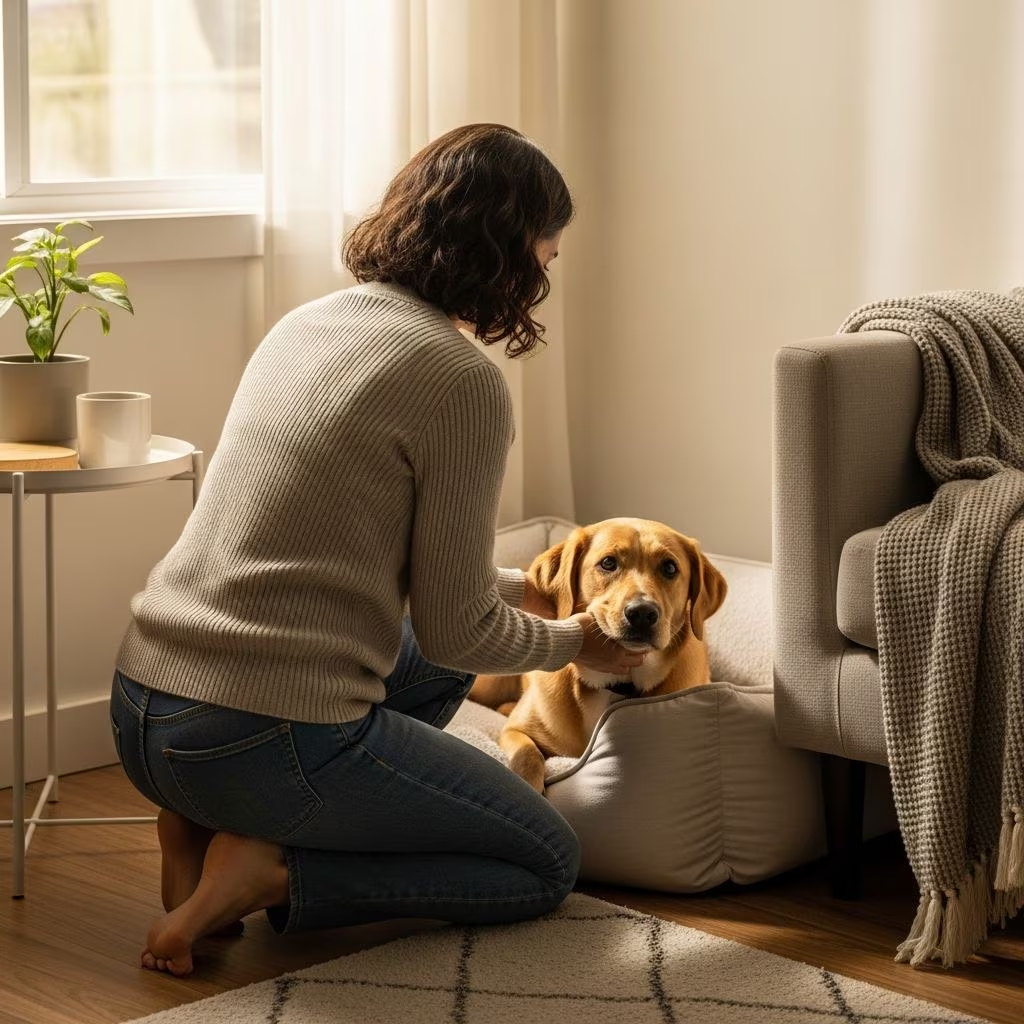
Teaching dogs to respect personal boundaries fosters a balanced relationship, reducing unwanted intrusions during daily activities. This guide explores step-by-step methods grounded in positive reinforcement to help dogs learn when to back off, stay in designated areas, and understand social cues.
Why Personal Space Matters in Dog Ownership
Dogs thrive in environments with clear rules, much like pack dynamics in the wild. When dogs constantly seek proximity—nudging, pawing, or following too closely—it can signal boredom, under-exercise, or unclear leadership. Establishing space prevents accidents, eases interactions with guests, and promotes mutual respect.
Research shows consistent boundary training improves obedience by up to 90% in controlled settings, enhancing safety especially in multi-dog homes. Owners report less stress and stronger bonds after implementing these techniques.
Core Principles of Boundary Training
Effective training relies on consistency, short sessions, and rewards. Use high-value treats to mark desired behaviors immediately. Sessions should last 1-2 minutes, repeated 3 times daily for steady progress.
- Positive Reinforcement: Reward compliance to build trust, avoiding punishment which can erode confidence.
- Clear Communication: Pair verbal cues with body language for better understanding.
- Gradual Progression: Start simple, increase difficulty to match the dog’s learning pace.
Training Your Dog to Stay in Designated Spots
Designate a mat, bed, or area as the dog’s “safe zone.” This teaches independence and prevents room invasions.
- Place a treat on the spot and encourage the dog to approach with a cue like “place.”
- Mark success with a word like “yes” and reward.
- Step away briefly, return to reward staying put.
- Build distance and duration over sessions, adding sits or downs.
Practice near kitchens or doorways where intrusions are common. After 12-15 reps per session, dogs condition to remain while you move freely.
Teaching Respect for Your Personal Bubble
Create an invisible “bubble” around yourself—about one foot—to signal off-limits zones. This counters jumping, mouthing, or leaning.
Step-by-Step Bubble Exercise:
| Step | Action | Tips |
|---|---|---|
| 1. Establish Baseline | Stand still; if dog enters bubble, calmly step toward it to move them back. | Use body pressure, not hands. |
| 2. Walk and Enforce | Move forward; dog retreats from bubble, mark and reward. | Short bursts, 5-10 feet. |
| 3. Add Distractions | Incorporate toys or family members; maintain bubble. | Practice in hallways first. |
| 4. Generalize | Apply in varied settings like couches or outdoors. | Consistency across handlers. |
This method, seen in real training scenarios, quickly teaches dogs to yield space. Pair with “pet with purpose”—only touch when calm—to discourage demand behaviors.
Addressing Common Challenges in Space Training
High-Energy or Bored Dogs
Understimulated dogs invade space out of excess energy. Incorporate puzzle feeders or scent games before training to focus minds.
Multi-Dog Households
Train individually first, then together. Use leashes for safety and enforce group bubbles to prevent ganging up.
Reactive or Fearful Dogs
Some need extra distance; honor their signals like lip licks or turns. Gradual exposure builds confidence without force.
Daily Routines to Reinforce Boundaries
Integrate training into life for lasting results:
- Mornings: Place command before breakfast.
- Evenings: Bubble practice during TV time.
- Guest arrivals: Preemptive send-to-place.
- Exercise: Boundary walks without fences using flags.
Visual markers like cones aid outdoor training, transitioning to verbal cues alone.
Advanced Techniques for Long-Term Success
Once basics stick, introduce passive training: Ignore attention-seeking until calm, then engage. This flips dynamics, positioning you as leader.
For off-leash reliability, GPS collars provide feedback on virtual fences during advanced phases. Track progress with a journal noting success rates per session.
Frequently Asked Questions (FAQs)
How long until my dog respects space?
Most see improvement in 1-2 weeks with daily practice; full reliability takes 4-6 weeks depending on age and breed.
What if my dog ignores cues?
Revert to basics, ensure exercise needs are met, and use higher-value rewards. Consistency trumps intensity.
Can puppies learn this?
Yes, start young for natural habits, but keep sessions fun and short.
Does this work for rescues?
Absolutely; patience addresses past traumas, focusing on trust-building.
Should I use leashes indoors?
Initially for control, phase out as confidence grows.
Benefits Beyond Space: A Stronger Bond
Trained dogs gain confidence, reducing anxiety-driven behaviors. Owners enjoy predictable interactions, safer homes, and deeper connections. Commit to these methods for a harmonious life.
References
- Easy Lesson on How to Teach a Dog Personal Boundaries — Dog Gone Problems. 2023. https://www.doggoneproblems.com/jagger-zeppelin/
- Easy Lesson on How to Teach a Dog Personal Space — Dog Gone Problems. 2023. https://www.doggoneproblems.com/victoria-ferris-respect-personal-space/
- Training Cola and Jack to Respect Personal Space — YouTube (Off Leash K9 Training). 2022-10-15. https://www.youtube.com/watch?v=rhzskCTObUM
- Teaching Dogs To Respect Boundaries: Training Without Fences — Off Leash K9 Training. 2024. https://www.offleashk9training.com/teaching-dogs-to-respect-boundaries-training-without-fences/
- Dog Body Language & Etiquette — Ma Paws & Me Pet Rescue. 2023. https://www.mapawsmepetrescue.com/copy-of-training-tips
- Give Me Some Space! Teach Your Dog to Back Off — American Kennel Club (AKC). 2024-01-20. https://www.akc.org/expert-advice/training/teach-dog-back-off/



