

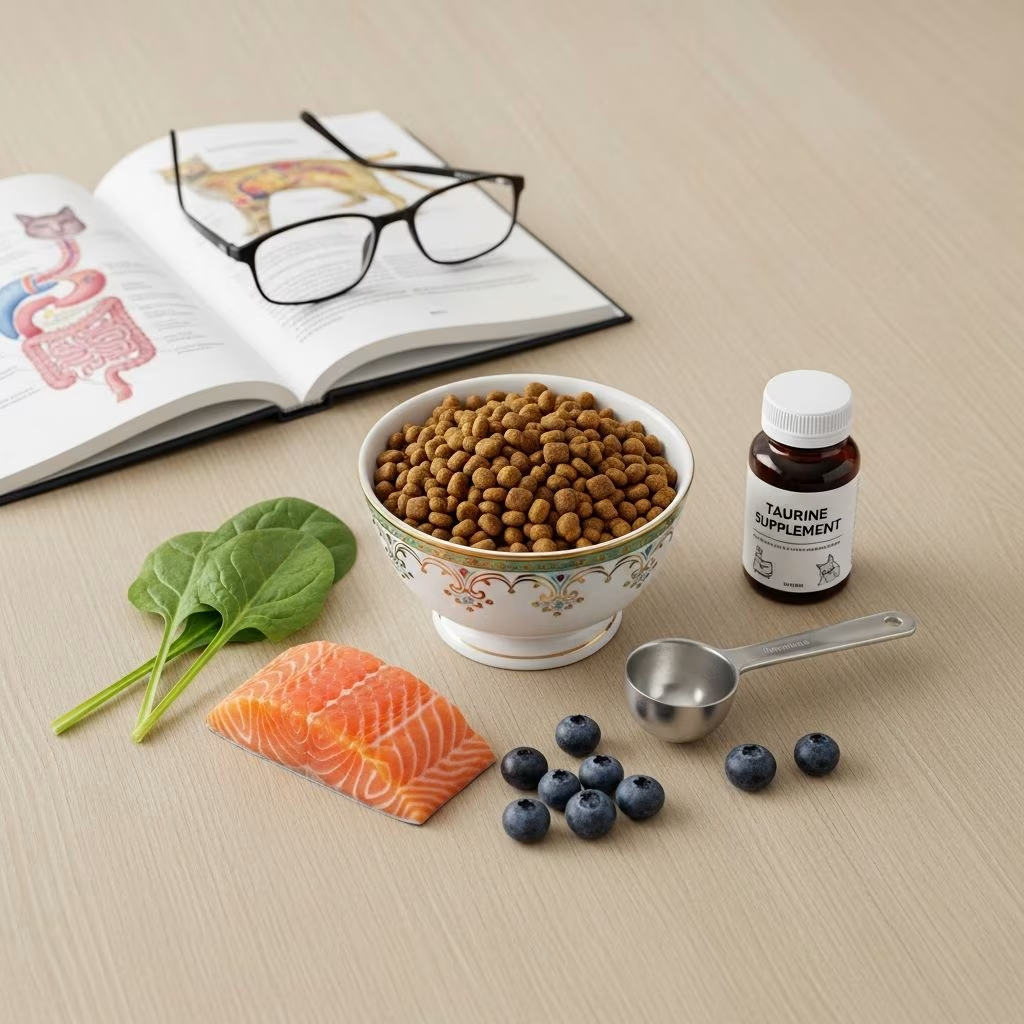
Cats are obligate carnivores, meaning their bodies are designed to derive nutrition primarily from animal sources. A healthy diet provides the precise balance of macronutrients and micronutrients needed for growth, maintenance, reproduction, and overall vitality. Understanding these requirements helps pet owners select foods that prevent deficiencies and support long-term health.
Core Macronutrients for Feline Health
The foundation of any cat diet consists of proteins, fats, and limited carbohydrates. These elements fuel energy needs, build tissues, and aid metabolic functions specific to cats’ physiology.
High-Quality Protein: The Cornerstone
Protein stands as the most vital nutrient for cats, comprising amino acids essential for muscle repair, immune function, and enzyme production. Adult cats require at least 26% protein in their diet, with kittens needing even higher levels for development. Named animal proteins like chicken, turkey, beef, salmon, or tuna should dominate the ingredient list, appearing in the top positions to ensure bioavailability. Cats cannot efficiently convert plant proteins, making animal sources critical to avoid muscle wasting or cardiac issues.
- Supports tissue building and repair
- Maintains lean body mass
- Boosts immune response
- Promotes glossy coat and healthy skin
Essential Fats for Energy and Absorption
Fats deliver concentrated energy—twice that of proteins or carbs—and facilitate uptake of fat-soluble vitamins A, D, E, and K. Look for sources rich in omega-3s like fish oil or flaxseed, alongside linoleic acid for skin and coat integrity. Deficiencies manifest as dry skin, poor fur quality, or reproductive problems.
| Fat Type | Sources | Benefits |
|---|---|---|
| Omega-3 Fatty Acids | Fish oil, flaxseed | Anti-inflammatory, skin/coat health |
| Linoleic Acid | Sunflower oil, animal fats | Energy, nervous system support |
| Arachidonic Acid | Meat, fish | Overall metabolic health |
Fiber and Carbohydrates in Moderation
Obligate carnivores require minimal carbohydrates, but soluble and insoluble fibers from sources like cellulose, guar gum, or vegetables aid digestion, stool quality, and satiety. Fiber helps prevent obesity by promoting fullness without excess calories.
Vital Vitamins for Metabolic Support
Vitamins act as coenzymes in countless bodily processes. Cats need a spectrum of both fat- and water-soluble types, often added synthetically in processed foods to compensate for heat extrusion.
Fat-Soluble Vitamins
- Vitamin A: Crucial for vision, reproduction, and immunity; sourced from liver or supplements.
- Vitamin D (Cholecalciferol): Regulates calcium/phosphorus balance for bone health.
- Vitamin E: Antioxidant protecting cells and supporting immunity.
- Vitamin K: Aids blood clotting and bone metabolism.
Water-Soluble Vitamins
B-complex vitamins drive energy production and nerve function. Cats synthesize vitamin C internally, but it bolsters immunity and joint health. Key B vitamins include:
- Thiamine (B1): Nerve maintenance.
- Riboflavin (B2): Energy metabolism.
- Niacin: Fat/protein breakdown.
- B12: Red blood cell formation.
Critical Minerals for Structural Integrity
Minerals form bones, regulate fluids, and enable enzyme reactions. Balance is paramount, as excesses or deficiencies disrupt interactions like calcium-phosphorus ratios.
Macrominerals
| Mineral | Role | Deficiency Signs |
|---|---|---|
| Calcium & Phosphorus | Bone/teeth strength, nerve/muscle function | Rickets, weakness |
| Magnesium | Bone health, enzyme activation | Heart issues |
| Potassium | Electrolyte balance | Muscle weakness |
| Sodium/Chloride | Fluid balance | Dehydration |
Trace Minerals
- Zinc: Skin integrity, enzyme function.
- Iron: Hemoglobin production.
- Copper: Coat color, reproduction.
- Selenium/Iodine: Thyroid and antioxidant support.
Deciphering Cat Food Labels
The ‘Guaranteed Analysis’ on packaging reveals minimum percentages: crude protein (≥26% adults), fat (≥9%), fiber (≤10%), moisture (≤10% dry food), plus specifics like linoleic acid (≥0.5%), calcium (≥0.6%), phosphorus (≥0.5%). Ingredients are listed by weight; prioritize those starting with whole meats over by-products or grains.
- Avoid fillers like corn gluten if listed before proteins.
- Seek AAFCO statements for ‘complete and balanced’ nutrition.
- Compare wet vs. dry: wet offers hydration, dry convenience.
Tailoring Diets by Life Stage and Needs
Kittens demand DHA for brain/eye growth, seniors need joint support via glucosamine/omega-3s, and overweight cats benefit from high-protein, low-carb formulas. Pregnant/lactating queens require elevated calories and nutrients.
| Life Stage | Key Adjustments |
|---|---|
| Kitten | 30-40% protein, DHA, higher fat |
| Adult | 26%+ protein, balanced minerals |
| Senior | Joint aids, antioxidants, controlled calories |
| Weight Management | High fiber/protein, low fat/carbs |
Hydration: The Overlooked Essential
Water sustains cellular function, with cats losing it via urine, feces, and respiration. Wet foods (70-80% moisture) combat chronic dehydration risks like kidney disease; encourage drinking with fountains or flavor additives.
Common Pitfalls in Cat Feeding
- Over-reliance on carbs/grains, ignoring carnivorous needs.
- Ignoring label details, leading to imbalances.
- Free-feeding dry kibble, promoting obesity.
- Neglecting vet consultations for special needs.
FAQs
What percentage of protein should cat food have?
Minimum 26% for adults, 30%+ for kittens per veterinary standards.
Can cats eat dog food?
No; dog food lacks sufficient taurine, vitamin A, and arachidonic acid, risking heart disease and blindness.
Is grain-free always better?
Not necessarily; some cats thrive on moderate grains for fiber, but prioritize protein quality over grain absence.
How much water does my cat need daily?
About 3-4 oz per 5 lbs body weight, more with dry food.
Should I supplement vitamins?
Only under vet guidance; balanced commercial foods meet needs.
Choosing the Right Food Long-Term
Consult veterinarians for personalized advice, especially with health issues. Transition foods gradually over 7-10 days to avoid digestive upset. Regular weigh-ins and stool checks gauge dietary success. By focusing on nutrient-dense, species-appropriate foods, owners foster vibrant, disease-resistant companions.
References
- Cat Diet: Essential Nutrients Your Cat Needs — Sheba. Accessed 2026. https://www.sheba.com/lifestyle/cat-diets
- Cat Food Labels: Nutrition Facts and Key Ingredients — Willow Glen Pet Hospital. Accessed 2026. https://willowglenpethospital.com/cat-food-labels/
- Optimum Feline Nutrition – What Should You Feed Your Cat? — Cupola Animal Hospitals. Accessed 2026. https://www.cupolaanimalhospitals.com/services/cats/feline-nutrition-cat-food
- Cat Nutrition — Pet Food Institute. Accessed 2026. https://www.petfoodinstitute.org/cat-nutrition/
- Nutrient Requirements of Dogs and Cats — National Research Council, The National Academies Press. 2006. https://nap.nationalacademies.org/catalog/10681/nutrient-requirements-of-dogs-and-cats
- Feeding Your Cat — Cornell University College of Veterinary Medicine. Accessed 2026. https://www.vet.cornell.edu/departments-centers-and-institutes/cornell-feline-health-center/health-information/feline-health-topics/feeding-your-cat



