
Essential Vet Visits for Cats
Discover why routine veterinary checkups are vital for your cat's longevity and well-being, catching hidden issues early.
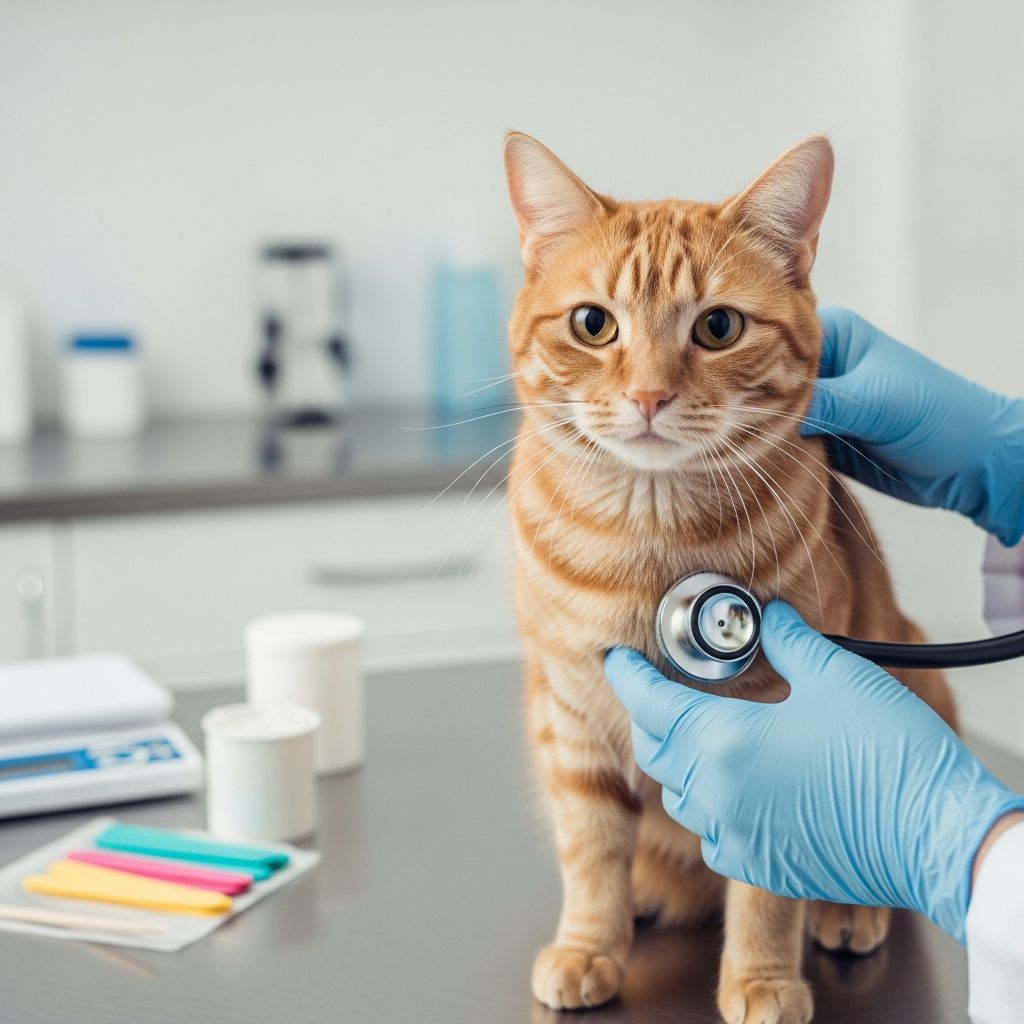
Cats thrive on preventive care, and regular veterinary examinations form the cornerstone of their long-term health management. These visits enable early identification of subtle health changes that cats expertly conceal, leading to better outcomes and reduced treatment costs.
The Hidden Nature of Feline Illness
Cats possess an innate survival instinct to mask signs of discomfort or disease, a trait evolved from their wild ancestors where vulnerability could mean danger. This behavior means owners often remain unaware of brewing problems until they reach advanced stages. Conditions like chronic kidney disease, hyperthyroidism, and dental decay progress silently for extended periods, potentially spanning years without obvious symptoms.
During wellness exams, veterinarians perform comprehensive assessments including physical palpation, auscultation of heart and lungs, ocular and dental inspections, and body condition scoring. These checks reveal anomalies such as weight fluctuations, coat quality deterioration, or organ irregularities that evade casual observation at home.
Life Stage-Specific Checkup Schedules
Veterinary recommendations for checkup frequency adjust according to a cat’s age and health status, aligning with their accelerated aging process compared to humans. Kittens require frequent monitoring to track growth, administer initial vaccinations, and screen for congenital issues.
- Kittens (birth to 6 months): Visits every 3-4 weeks to ensure proper development, deworming, and core vaccine series completion.
- Adults (1-7 years): Annual exams suffice for healthy individuals, focusing on parasite prevention and lifestyle-appropriate boosters.
- Seniors (8+ years): Biannual visits to monitor for age-related declines like arthritis, cognitive dysfunction, and metabolic disorders.
Beyond age, factors such as indoor/outdoor status, chronic conditions, or breed predispositions may necessitate more frequent evaluations. Owners should promptly schedule unscheduled visits for any deviations in eating, elimination, mobility, or demeanor.
Core Components of a Feline Wellness Exam
A standard cat checkup encompasses multifaceted evaluations to establish a health baseline and detect deviations. Veterinarians begin with a detailed history review, inquiring about diet, environment, behavior, and any owner-noted changes.
| Exam Element | Purpose | Common Findings |
|---|---|---|
| Weight and Body Condition | Track nutritional status and obesity risks | Underweight signaling hyperthyroidism; overweight linked to diabetes |
| Vital Signs (Temp, Heart Rate, Respiration) | Baseline for abnormalities | Tachycardia indicating pain or cardiac issues |
| Dental and Oral Inspection | Assess periodontal disease prevalence | Gingivitis or tooth resorption affecting 70% of cats over age 3 |
| Abdominal Palpation | Detect masses or organ enlargement | Enlarged kidneys from polycystic disease |
| Skin, Coat, and Ear Check | Parasite and infection screening | Mites, allergies, or infections |
Diagnostic tools like blood panels, urinalysis, and fecal tests often complement the physical exam, especially for at-risk populations. These reveal markers of renal function, glucose levels, or intestinal parasites before clinical signs emerge.
Preventive Strategies Bolstered by Regular Visits
Wellness exams serve as platforms for customizing preventive protocols. Vaccinations against rabies, feline leukemia, and calicivirus are updated based on risk assessment. Flea, tick, and heartworm preventives are recommended year-round, given the lack of safe treatments for feline heartworm infections.
Nutrition counseling addresses age-specific needs, from high-protein kitten formulas to renal-support diets for seniors. Spay/neuter discussions occur early, reducing cancer risks and behavioral issues. Behavioral consultations during visits can preempt problems like inappropriate elimination or aggression.
Financial and Emotional Advantages of Proactive Care
Early intervention translates to simpler, more affordable treatments. A detected dental issue in its nascent stage might require only a cleaning, versus extractions and hospitalization later. Similarly, spotting hypertension preempts stroke or organ damage.
Regular exposure to the veterinary environment desensitizes cats, minimizing stress during future necessities. This fosters trust between pet, owner, and clinician, ensuring seamless care continuity.
Navigating Common Owner Concerns
Many hesitate due to carrier aversion or perceived wellness in their pet. Gradual acclimation techniques, like feeding in carriers and short car trips, ease transport anxiety. Emphasize that “healthy” appearances belie internal shifts; 10-15% of apparently normal cats harbor detectable abnormalities on routine screens.
Signs Prompting Immediate Veterinary Attention
While routine care is key, vigilance for acute changes is crucial:
- Persistent vomiting or diarrhea
- Lethargy or hiding beyond norm
- Appetite loss exceeding 24 hours
- Litter box avoidance or blood in urine/stool
- Respiratory distress or open-mouth breathing
- Seizures, disorientation, or imbalance
These warrant same-day evaluation to avert crises.
Building a Partnership with Your Veterinarian
Consistent visits cultivate ongoing dialogue, allowing trend tracking over time. Share home monitoring data like weekly weights or videoed behaviors for richer insights. This collaborative approach optimizes your cat’s health trajectory.
Frequently Asked Questions
How often does my indoor cat need a vet checkup?
Indoor adults require annual visits; seniors benefit from twice-yearly exams for proactive monitoring.
Are blood tests necessary every checkup?
Not always, but recommended starting at age 7 or for symptoms, to baseline organ function.
What if my cat hates the vet?
Towel wraps, pheromone sprays, and low-stress handling techniques reduce fear; discuss sedation options if needed.
Can diet replace vet visits?
No; professional oversight ensures nutritional adequacy and detects non-dietary issues.
Why check teeth during wellness exams?
Oral disease affects eating, pain levels, and heart health; early cleanings prevent progression.
Empowering Cat Owners for Lifelong Vitality
Integrating regular veterinary care into your routine transforms cat ownership from reactive to proactive. By prioritizing these visits, you invest in extended quality years, fortifying against the stealthy advance of feline ailments. Schedule your cat’s next wellness exam today to safeguard their future.
References
- Merck Veterinary Manual: Feline Wellness Guidelines — Merck & Co. 2023. https://www.merckvetmanual.com/
- American Animal Hospital Association: Feline Life Stage Guidelines — AAHA. 2021-10-01. https://www.aaha.org/resources/2021-aaha-aafp-feline-life-stage-guidelines/
- Why Every Cat Needs Routine Vet Checkups — Cat Care Society. 2024. https://www.catcaresociety.org/why-every-cat-needs-routine-vet-checkups/
- Annual Vet Check-Ups: Key To Your Cat’s Long-Term Health — Veterinary Associates of North Branford. 2023. https://vetassociatesnb.com/blog/annual-vet-check-ups-key-to-your-cats-long-term-health/
- 5 Reasons Your Pet Should Have Regular Veterinary Check-Ups — Zoetis Petcare. 2022. https://www.zoetispetcare.com/blog/article/regular-veterinary-check-ups
Similar Articles








Read full bio of Sneha Tete




