

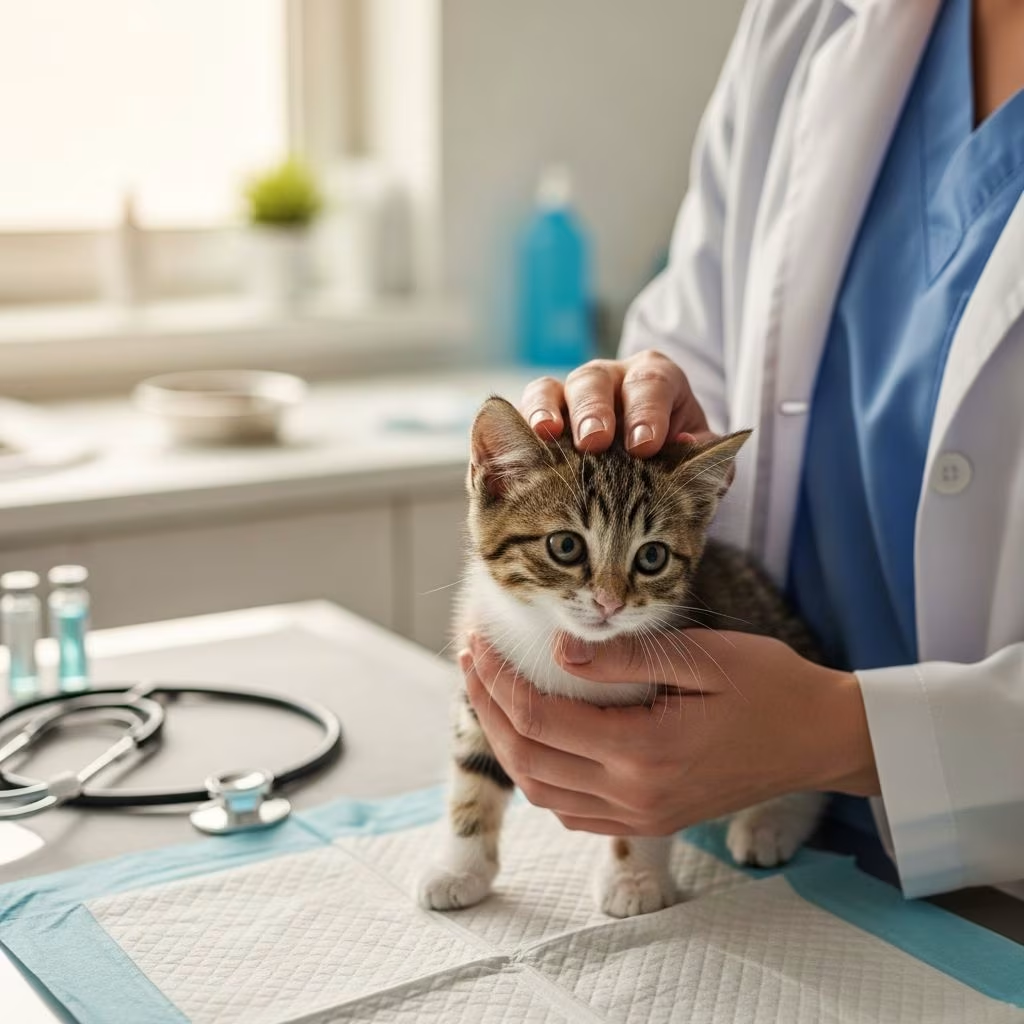
New kitten owners often marvel at their tiny companion’s playful energy and curiosity, but ensuring that energy lasts requires proactive health management. **Regular veterinary visits** form the cornerstone of a kitten’s well-being, enabling early intervention for potential issues, timely vaccinations, and personalized growth monitoring. These appointments go beyond treating sickness; they prevent it, fostering a foundation for a vibrant, extended life.
Why Kittens Demand Frequent Veterinary Attention
Kittens enter the world with immature immune systems, making them highly susceptible to infections, parasites, and developmental anomalies. Unlike adult cats, who might only need yearly exams, kittens under one year require multiple visits to build immunity and confirm healthy progression. Veterinary professionals emphasize that these early interactions not only safeguard against diseases but also acclimate the young cat to clinical environments, minimizing future stress.
During the first year, a kitten’s body undergoes rapid changes: bones lengthen, organs mature, and behaviors solidify. Missing checkups can allow silent problems—like congenital heart defects or intestinal worms—to escalate, leading to costly treatments or irreversible damage. Statistics from veterinary clinics show that early detection through routine exams improves recovery rates by up to 80% for common feline ailments.
Optimal Schedule for Kitten Vet Appointments
Timing is critical in kitten care. Here’s a breakdown of recommended visit frequencies based on age, drawn from consensus among animal hospitals:
- 6-8 Weeks Old (First Visit): Comprehensive exam, initial vaccines, deworming, and parasite screening.
- 10-12 Weeks: Booster shots for core vaccines and fecal analysis.
- 14-16 Weeks: Final kitten vaccine series, including rabies, plus FeLV testing.
- 5-6 Months: Spay/neuter discussion, microchipping, and growth evaluation.
- Every 6 Months Until 1 Year: Transitional checkups to monitor maturation.
This schedule aligns with guidelines from practices like Spanish Trail Vet and Cochise Animal Hospital, ensuring full protection by 16 weeks. Adjust based on your vet’s advice, especially for rescues or multi-pet households.
| Age Range | Key Procedures | Frequency |
|---|---|---|
| Birth to 16 Weeks | Vaccines, deworming, physical exam | Every 3-4 weeks |
| 4-6 Months | Booster shots, sterilization prep | Once |
| 6-12 Months | Wellness exam, dental check | Every 6 months |
Core Components of a Kitten Wellness Exam
Each visit involves a thorough assessment tailored to the kitten’s stage. Veterinarians start with a hands-on physical: palpating the abdomen for abnormalities, auscultating the heart and lungs, inspecting ears for mites, and evaluating the mouth for dental health. Bloodwork screens for feline leukemia virus (FeLV) and feline immunodeficiency virus (FIV), while fecal tests detect parasites like roundworms or giardia.
Vaccinations form the exam’s backbone. Core shots protect against panleukopenia (a deadly parvovirus-like illness), herpesvirus (causing respiratory woes), calicivirus (oral ulcers), and rabies (legally required). Non-core vaccines, like those for Bordetella, may apply in high-risk settings. Your vet will also discuss nutrition, recommending high-protein kitten formulas to support 300% body weight gain in the first year.
Preventive Measures Beyond Checkups
Vet visits reinforce home-based prevention. Flea, tick, and heartworm preventives start early, as parasites transmit rapidly in litters. Dental care begins with brushing demos, averting tartar that affects 70% of cats by age three. Spaying or neutering at 4-6 months curbs cancers, roaming, and litters—reducing shelter overpopulation.
Behavioral insights emerge too: scratching post training or litter habits prevent issues like inappropriate elimination. Vets often suggest microchipping during the 5-6 month visit for lost pet recovery, with success rates exceeding 90% in registries.
Transitioning to Adult Cat Care
By one year, most kittens graduate to annual exams, but those with breeds prone to issues (e.g., Persians with respiratory traits) may need semiannual checks. Monitor weight, as obesity triples diabetes risk. Continue parasite controls and boosters every 1-3 years.
Challenges and Solutions for Stress-Free Visits
Kittens may resist carriers or handling. Acclimate them young with positive associations: treats in the carrier, short car rides. Towel wraps calm during exams. If anxiety persists, discuss pheromone sprays or vet-prescribed calmers. Virtual consults for minor queries bridge gaps between visits.
Financial Planning for Kitten Healthcare
Wellness packages bundle exams and vaccines, saving 20-30% versus pay-per-service. Pet insurance covers accidents post-waiting period, reimbursing diagnostics. Budget $200-400 for the first year, prioritizing preventives over emergencies.
FAQs on Kitten Veterinary Care
What happens during my kitten’s first vet visit?
Expect a full physical, initial vaccines, parasite checks, and FeLV/FIV testing. Discuss diet and litter training.
How many vaccines does a kitten need?
Typically 3-4 rounds of core vaccines every 3-4 weeks until 16 weeks, plus rabies.
Can I skip vet visits if my kitten seems healthy?
No—silent issues like parasites or heart murmurs require professional detection.
When should I spay or neuter my kitten?
Ideally at 4-6 months, per vet recommendation.
What if my kitten is a stray or rescue?
Start with immediate exam for deworming, vaccines, and testing—many clinics offer low-cost options.
Long-Term Impact of Early Vet Care
Investing in frequent kitten checkups yields dividends: longer lifespans (averaging 15 years), fewer crises, and stronger owner-vet bonds for tailored advice. Track milestones at home—weight weekly, stool daily—but defer to pros for anomalies like lethargy or diarrhea.
Owners report calmer pets post-acclimation and peace of mind from up-to-date records. In multi-cat homes, visits prevent disease spread, protecting the pride.
Ultimately, these appointments transform guardianship from reactive to proactive, equipping your kitten for adventures ahead.
References
- How Often Should You Take a Cat to the Vet? — Spanish Trail Vet Clinic. 2024-07-15. https://www.spanishtrailvet.com/site/blog/2024/07/15/how-often-take-cat-to-vet
- Why Regular Vet Visits Are Essential for Your Pet’s Health — Cochise Animal Hospital. N/A. https://www.cochiseanimalhospital.com/blog/why-regular-vet-visits-are-essential-for-your-pets-health.html
- How Often Should You Take a Cat to the Vet — MVA Vets. N/A. https://mvavets.com/blog/how-often-should-you-take-a-cat-to-the-vet/
- How Often to Take Your Cat to the Vet — Burbank Pet. 2022-06-15. https://www.burbankpet.com/site/blog/2022/06/15/cat-wellness-vet-visits
- Why Regular Vet Visits Are Essential for Your Pet’s Health — Parker Animal Care. N/A. https://www.parkeranimalcare.com/regular-vet-visits-are-essential-for-your-pets-health/
- Why Regular Vet Check-ups are Crucial for Your Pet’s Health — Ridgeline Vet Clinic. N/A. https://www.ridgelinevetclinic.com/blog/why-regular-vet-check-ups-are-crucial-for-your-pets-health
- Kitten Care – Importance of Regular Visits to the Vet — Hill’s Pet. N/A. https://www.hillspet.com/cat-care/routine-care/importance-of-regular-kitten-vet-visits



