

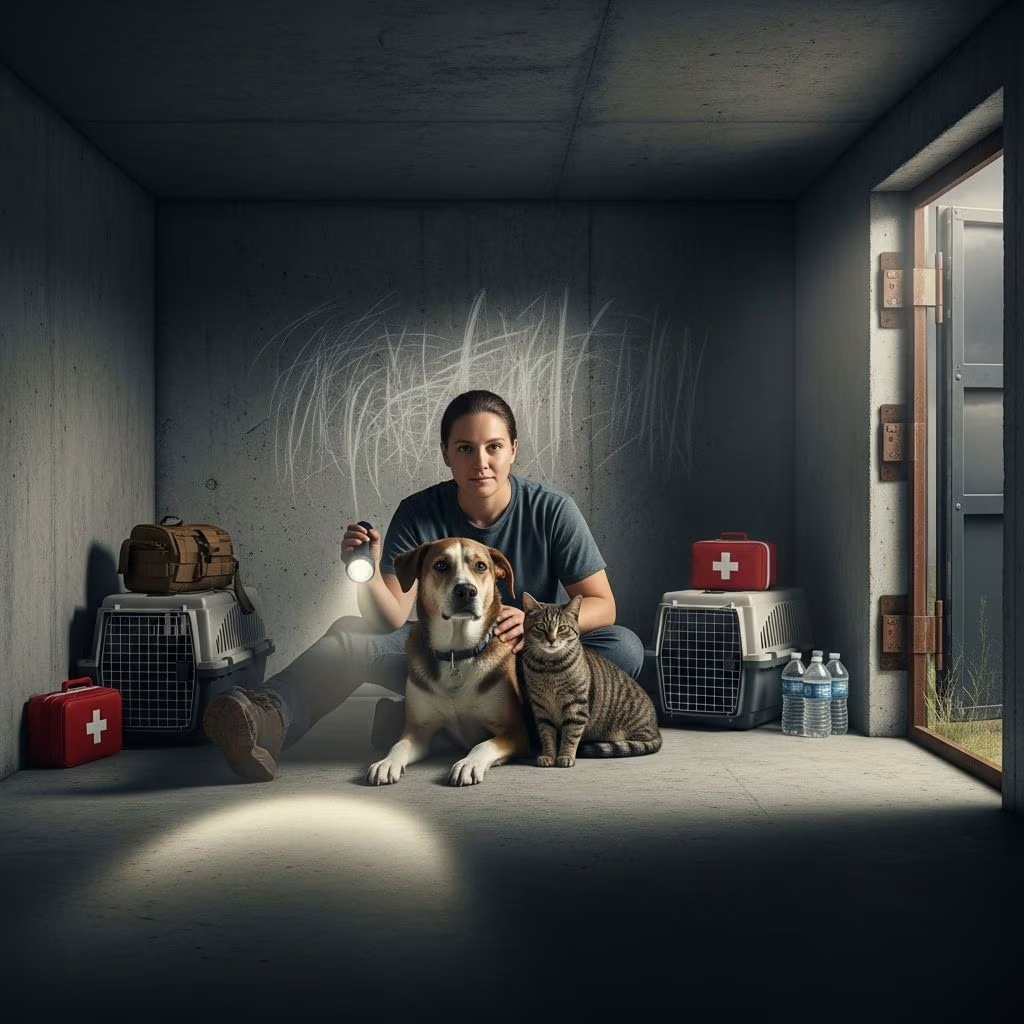
Essential Tornado Safety Tips Pet Parents Should Know
Tornadoes represent one of nature’s most violent and unpredictable weather phenomena, posing significant dangers not only to human family members but also to beloved pets. When severe weather strikes, pets face the same hazards as humans—flying debris, structural damage, injury, and the risk of becoming lost or separated from their families. Statistics show that many animals go missing after storms because they become frightened and run away, highlighting the critical importance of advance preparation. As a responsible pet parent, understanding and implementing comprehensive tornado safety measures can mean the difference between life and death for your furry companions. This guide covers the essential steps you need to take before, during, and after a tornado to ensure your pets remain safe and secure.
Before a Tornado Strikes: Preparation is Key
The foundation of tornado safety for pets begins long before storm season arrives. Proper preparation involves several critical components that work together to create a comprehensive safety plan tailored to your household’s specific needs.
Identify and Prepare Your Tornado-Safe Area
The first and most important step is identifying a tornado-safe area within your home that can accommodate your entire family, including all pets. This space should be located on the lowest floor of your house and ideally be an interior room with few or no windows. Basements are typically the most ideal tornado shelters, followed by interior rooms such as bathrooms, closets, or hallways. Avoid rooms with windows, exterior walls, or large open spaces that could collapse or allow debris to enter.
Once you’ve identified this space, make it pet-friendly by removing dangerous items such as tools, toxic products, chemicals, pesticides, and other hazardous materials that could harm your animals during the chaos of a tornado. Ensure the area is large enough that everyone—including pets in carriers—can fit comfortably. Test this regularly with your family and pets during calm weather to ensure everyone knows exactly where to go and can reach the shelter quickly.
Create and Stock Emergency Preparedness Kits
Develop comprehensive emergency kits for both your family and your pets, and keep these kits easily accessible in or near your tornado-safe area. A well-stocked pet emergency kit should include:
- Current photos of each pet (helpful for locating lost animals)
- Medical records and vaccination documents
- Microchip registration information
- A minimum two-week supply of food and water
- Medications and medical equipment (syringes, bandages, etc.)
- Pet first-aid kit with essential supplies
- Leashes, harnesses, and carriers for each pet
- Litter box, litter, or waste bags
- Comfort items like favorite toys or bedding
- Food and water bowls
Check these kits at least twice per year to refresh expired medications and food, and update photos and records as needed.
Ensure Proper Identification
Make absolutely certain that every pet has proper identification. This includes:
- Collar with current ID tags displaying your name and phone number
- Microchip implant with current registration information in the national pet database
- Temporary identification tags if moving or changing phone numbers
- Recent photographs of each pet stored both digitally and in print
Identification becomes critical if your pet escapes during or after a tornado. Many animals go missing after severe storms, and proper identification significantly increases the chances of reunion with your pet.
Invest in Appropriate Carriers and Crates
Have a properly sized crate or carrier available for every animal in your household. These containment tools serve multiple purposes: they keep pets secure and prevent panic-induced escapes, they protect animals from debris and structural hazards, and they facilitate safe transportation if evacuation becomes necessary. Practice having your pets spend time in their carriers during non-emergency situations so they become comfortable with this space. For dogs, ensure the crate is large enough for them to stand, turn around, and lie down comfortably. For cats, provide a carrier that allows similar movement while maintaining a sense of security.
Know Your Pet’s Hiding Spots
Many pets instinctively seek shelter by hiding when they sense an approaching storm. Identify all the places where your pets typically hide—under beds, in closets, behind furniture, or in cabinets. Once you’ve identified these spots, evaluate whether you can safely and quickly extract your pet from each location during an emergency. Eliminate any unsafe hiding areas from which it would be difficult or impossible to remove your animal in a hurry. The goal is to have your pets in accessible locations or already secured in carriers when severe weather threatens.
During a Tornado: Taking Action
When a tornado warning is issued for your area or when you see signs of an approaching tornado, it’s time to move into action quickly and decisively. Your preparation will pay dividends during these critical moments.
Bring All Pets Indoors Immediately
As soon as severe weather is forecasted or a tornado warning is issued, bring all pets indoors without delay. This includes outdoor cats, dogs, and any other animals you might keep outside. Outdoor pets face extreme danger from flying debris, wind, and collapsing structures. Do not leave any pet outside, even if they are accustomed to spending time outdoors.
Secure Pets in Your Safe Room
Move your entire family—including all pets—to your pre-designated tornado-safe area immediately. Place each pet in their carrier or secure them with a leash to prevent them from panicking and running away. Cats should always be in carriers, as they are more prone to running and hiding when frightened. If possible, place the pet carriers underneath a sturdy piece of furniture, such as a heavy table, which provides additional protection from falling debris and structural collapse.
Stay calm and speak in soothing tones to help keep your pets as calm as possible. Your demeanor will influence how your pets react to the situation. Bring your pet emergency kit with you to the safe room, ensuring you have access to medications, first-aid supplies, and documentation if needed.
Use Calming Aids When Appropriate
If your pets are particularly anxious, consider using calming aids to help reduce their stress during the tornado:
- Thundershirts or anxiety wraps: These garments apply gentle, constant pressure to your pet’s torso, which can have a calming effect similar to swaddling a baby
- Pheromone diffusers or sprays: Available for both cats and dogs, these products mimic calming natural pheromones that can reduce anxiety
- Calming music or white noise: Playing soft music or white noise can help mask the frightening sounds of thunder and high winds
- Natural supplements or medications: Always consult with your veterinarian before administering any calming aids or medications
Never leave your pets unattended in the safe room, and do not attempt to manage your pets’ anxiety with any medication or supplement without prior veterinary approval.
If Evacuation is Necessary
If you must evacuate your home due to a tornado or if you’re away from home when a tornado strikes, take your pets with you. Make sure you take your pet preparedness kit and that all animals have proper identification. If you’re unable to evacuate with your pets:
- Place a pet rescue alert sticker on your front door to notify emergency responders and rescue personnel that animals are inside your home
- Leave additional stickers or signs indicating the number and types of animals present
- Arrange with a trusted neighbor or friend to check on your pets if you’re away from home
- Keep a spare key with that trusted contact in case they need to access your home
Identify pet-friendly storm shelters or hotels in your area before tornado season arrives. Many traditional emergency shelters do not allow pets, so having backup options identified in advance is crucial. Never leave pets behind in a mobile home or tied up outside—they will not be safe in these situations.
After the Tornado: Recovery and Reconnection
Once the tornado has passed completely, the recovery process begins. Your pets will be stressed, frightened, and disoriented, so careful management during this phase is essential.
Wait Until the Storm Has Completely Passed
Resist the urge to exit your safe room immediately after the tornado passes. Wait until you receive official confirmation that the entire storm system has moved through your area. Additional tornadoes can develop, or multiple tornado warnings may be issued in succession. Stay in your safe room until you’re absolutely certain the danger has passed.
Assess Damage Before Bringing Pets Outdoors
Before allowing your pets outside, exit first and carefully assess the damage to your property and surrounding area. Look for hazards that could injure your pets, including downed power lines, sharp debris, broken glass, nails, collapsed structures, and contaminated materials. Only after you’ve confirmed that the area is as safe as possible should you bring your pets outdoors.
Use Proper Restraint and Control
When bringing your pets outside, keep all dogs on a leash and maintain cats in carriers or on harnesses. Even well-trained pets may panic and bolt when frightened, and the altered landscape with unfamiliar scents and missing landmarks can be disorienting. Your pets may become lost if given the opportunity to run freely. Maintain control at all times until your pets have had adequate time to adjust to the changes in their environment.
Allow Time for Re-Orientation
Tornadoes change the familiar landscape—trees may be uprooted, fences demolished, buildings damaged, and scent markers altered. This disorientation can confuse your pets and cause them to become lost even in their own neighborhood. Allow your pets gradual exposure to the changed environment, and supervise them closely during the re-orientation period. Keep them on leash or in your yard with close supervision until they’ve adjusted to the new landscape.
Monitor for Health Issues
Watch your pets closely for signs of injury, shock, or illness in the days following a tornado. Stress and trauma can cause both physical and behavioral problems. Examine your pets for cuts, wounds, or broken bones. If you notice any signs of injury, lameness, loss of appetite, or behavioral changes, contact your veterinarian immediately. Some injuries may not be immediately apparent, and stress-related issues may develop over time.
Protect Against Contamination
Keep your pets away from any food, water, or other liquids that may have been contaminated by the storm. Floodwaters, spilled chemicals, and other hazardous materials may be present in your yard or neighborhood. Similarly, keep pets away from downed power lines and any debris that could cause injury or poisoning. Consider restricting your pets to a controlled area of your yard or indoors until the area has been thoroughly cleaned and cleared of hazards.
Special Considerations for Different Pet Scenarios
Multiple Pets or Large Breeds
If you have multiple pets or extra-large breed dogs, ensure your tornado-safe area is genuinely large enough to accommodate all of them. A basement is often ideal for such situations. Test your plan regularly to confirm that everyone fits comfortably. Consider using exercise pens or multiple carriers to organize your pets in the safe room.
Cats and Their Unique Needs
Cats require special attention during tornado preparation because they tend to hide when frightened. Make your cat comfortable in their carrier by providing treats, toys, and positive associations with the space during non-emergency times. Try to identify where your cat typically hides during storms and work to keep them in more accessible areas before severe weather arrives. Ensure they’re secured in their carrier before entering the safe room.
Small Animals and Exotic Pets
Small animals such as rabbits, guinea pigs, hamsters, and birds also need tornado safety plans. Keep them in secure carriers or enclosures and bring them to your safe room. Include their food, water, medications, and any specialty supplies in your emergency kit. Birds are particularly sensitive to stress and may need to be covered with a light blanket to help them feel secure during the tornado.
Creating Your Tornado Safety Plan
Develop a written tornado safety plan that includes the following elements:
- Location of your designated tornado-safe area
- A floor plan showing escape routes and safe room location
- Contact information for pet-friendly shelters and hotels
- Your veterinarian’s contact information and location
- Emergency contacts for neighbors or friends who can help with your pets
- Location of your pet emergency kit and supplies
- List of all pets with descriptions and any special needs
- Microchip registration numbers and contact information
Share this plan with family members and any caregivers, and practice your tornado drill at least once per year during calm weather. This practice helps ensure that everyone knows exactly what to do when a real tornado threatens.
Frequently Asked Questions (FAQs)
Q: What should I do if I’m away from home when a tornado warning is issued?
A: Seek shelter immediately in a sturdy building, preferably a basement or interior room. If possible, try to get to a designated public shelter. Once you’re safe, contact someone who can check on your pets. Place a pet rescue alert sticker on your front door in advance so emergency responders know animals are inside.
Q: Can my pets stay in their outdoor shelter or kennel during a tornado?
A: No. Outdoor structures and kennels do not provide adequate protection from tornado winds and debris. All pets must be brought indoors to your designated tornado-safe room immediately when a tornado warning is issued.
Q: How often should I update my pet emergency kit?
A: Check your pet emergency kit at least twice per year to refresh expired medications and food, update photos, and verify that all information is current.
Q: What if my pet is injured during or after a tornado?
A: Provide first aid using your pet first-aid kit if you have basic training. Contact your veterinarian immediately for professional care. Keep your vet’s emergency contact information readily available and know the location of 24-hour emergency veterinary clinics in your area.
Q: Should I use a storm shelter specifically designed for pets?
A: A properly prepared interior room in your home is sufficient and often preferable, as your pets are already familiar with your home. However, if you have access to a commercial storm shelter that allows pets, ensure it meets safety standards and that your pets are comfortable there before an emergency.
References
- Tornado Tips for Pet Owners — American Humane Society. Accessed 2025. https://www.americanhumane.org/public-education/tornado-tips/
- Tornado Preparedness for Pet Owners: Keeping Your Animals Safe — Hope Force. Accessed 2025. https://hopeforce.org/tornadoes/tornado-preparedness-for-pet-owners-keeping-your-animals-safe/
- Severe Weather Pet Safety Tips — American College of Veterinary Medicine. 2024. https://amcma.org/severe-weather-pet-safety-tips/
- Keeping Pets Calm and Safe During Thunderstorms and Tornadoes — Warm Hearts Animal Rescue. Accessed 2025. https://warmhearts.org/keeping-pets-calm-and-safe-during-thunderstorms-and-tornadoes/
- Tornado Safety for Pets — ASPCA Pet Health Insurance. 2025. https://www.aspcapetinsurance.com/resources/tornado-safety-for-pets/



