

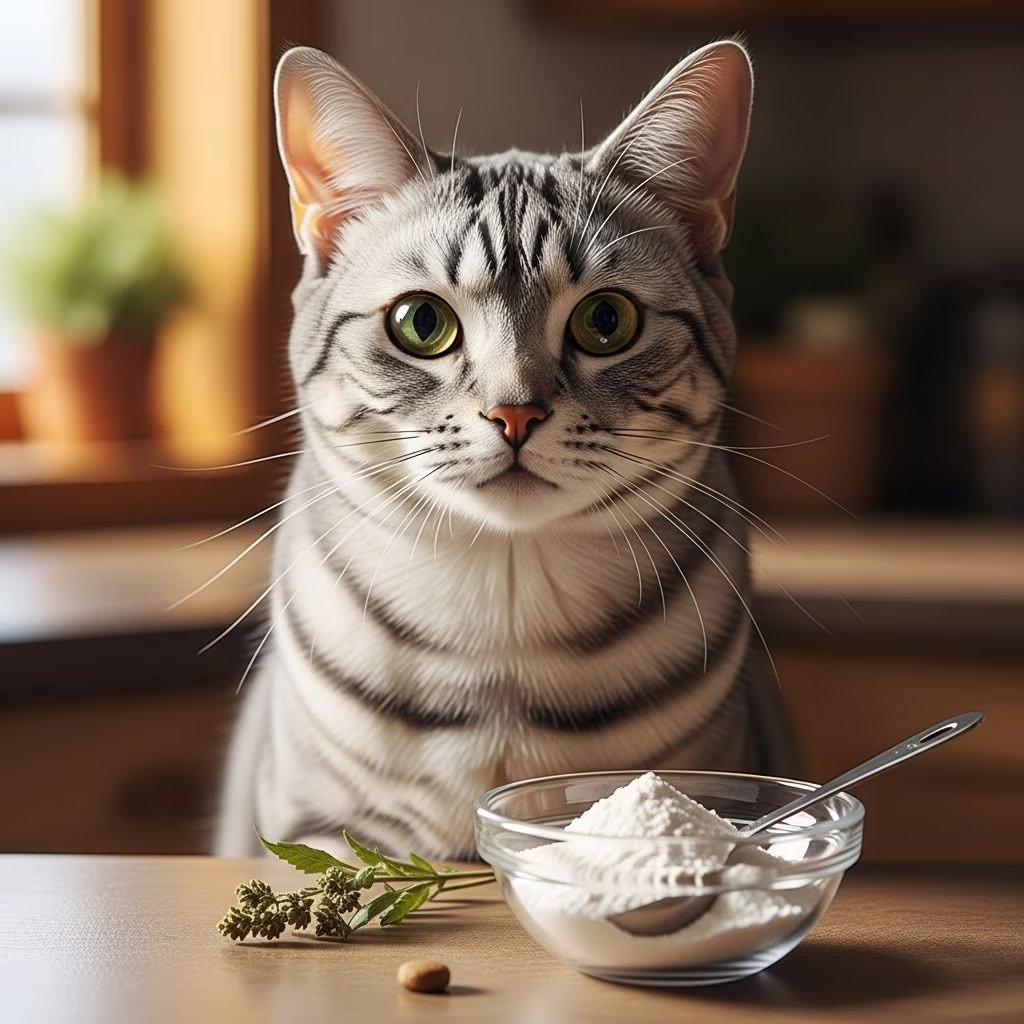
Cats require taurine, an essential amino acid, in their diet because they cannot produce it sufficiently on their own. Unlike many mammals, felines have unique metabolic needs that make dietary taurine critical for vision, cardiac function, reproduction, and immune health.
The Critical Role of Taurine in Feline Physiology
Taurine supports multiple bodily systems in cats. It maintains retinal health, preventing degeneration that leads to blindness. In the heart, it helps avoid dilated cardiomyopathy (DCM), a potentially fatal condition where the heart muscle weakens. Additionally, taurine aids digestion, fetal development during pregnancy, and overall cellular function.
Without adequate levels, cats face severe consequences. Historical cases from the 1980s revealed widespread deficiencies in early commercial foods, prompting mandatory supplementation in cat diets today.
Understanding Taurine Requirements Across Diets
Taurine needs vary by diet type due to processing, digestibility, and bacterial activity. The National Research Council (NRC) provides guidelines based on caloric content and food form.
| Diet Type | NRC Recommendation (mg/1000 kcal) | Equivalent (% Dry Matter, 4000 kcal/kg) |
|---|---|---|
| Purified (highly digestible) | 100 mg | 0.025% |
| Dry (kibble) | 250 mg | 0.1% |
| Canned (wet) | 425 mg | 0.17% |
AAFCO standards for commercial foods specify minimums like 0.1% for dry and 0.2% for wet on a dry matter basis, accounting for losses during manufacturing. Raw diets may align with dry food levels (250 mg/1000 kcal) due to potential bacterial degradation.
Factors increasing needs include high-protein diets, low-quality proteins, heat processing (Maillard reactions reduce digestibility), and high fiber, which hinder absorption.
Natural Sources of Taurine in Cat Food
Taurine occurs naturally in animal tissues, making meat-based diets ideal for obligate carnivores. Rich sources include:
- Dark poultry meat, hearts, livers, and gizzards (highest concentrations).
- Seafood like clams, scallops, and fish.
- Mammalian organs such as beef heart or kidney.
- Avoid plant-based foods, as taurine is absent there.
In raw feeding, include 20% taurine-rich organs to meet needs naturally. Thawing meat releases taurine into drip water—always serve it to avoid losses.
Risks and Symptoms of Taurine Deficiency
Deficiency develops gradually since taurine isn’t stored long-term, requiring consistent intake. Early signs include lethargy and poor appetite; advanced stages show:
- Vision loss: Central retinal degeneration (feline central retinal degeneration, FCRD), causing irreversible blindness.
- Heart issues: Dilated cardiomyopathy, with enlarged heart chambers and poor pumping efficiency.
- Reproductive failures: Infertility, stillbirths, or weak kittens.
- Digestive problems: Fatty liver disease (hepatic lipidosis) and poor growth.
Plasma levels below 160 nanomoles/ml indicate deficiency; normal is above 300. Vets diagnose via bloodwork and eye/heart exams.
Commercial Cat Foods: Are They Reliable?
Modern complete-and-balanced cat foods meet or exceed taurine standards. Manufacturers add synthetic taurine to compensate for processing losses from heat, extrusion, or canning. Labels guarantee minimums, but verify AAFCO statements.
Risks persist with:
- Dog food (insufficient taurine).
- Plant-heavy or vegan formulas.
- Expired or improperly stored food.
Transitioning diets or feeding variety warrants vet monitoring.
Home-Prepared and Raw Diets: Supplementation Guide
Home-cooked or raw meals demand careful planning. Low-taurine meats like rabbit, white chicken breast, or lean beef may fall short without additions.
Calculation Example: For a 4kg cat needing ~240 kcal/day:
- Purified: 24mg/day.
- Dry/raw: 60mg/day.
- Canned: 102mg/day.
Grinding meat increases surface area for bacteria, potentially destroying taurine—supplement accordingly. Safe dosing: 250-500mg/day for adults; consult vets for precision.
Supplementation: When and How Much?
Add taurine if:
- Feeding predominantly low-taurine meats.
- Your cat has health issues (e.g., heart disease, epilepsy).
- Switching to homemade/raw diets.
Taurine is non-toxic in excess, water-soluble, and safe. Forms include powders, liquids, or treats. Start low and test blood levels after 3-6 months.
Preventive Strategies for Optimal Feline Health
Maintain taurine intake through:
- High-quality commercial foods labeled for cat life stage.
- Varied raw diets with organ meats.
- Regular vet check-ups with taurine blood tests for at-risk cats (e.g., Persians, seniors).
- Avoiding dog food or human scraps.
Pregnant/lactating queens and kittens need higher amounts—up to double adult levels.
FAQs on Cat Taurine Needs
Q: Can my cat get enough taurine from kibble?
A: Yes, quality kibble meets NRC/AAFCO minimums (0.1-0.2% dry matter).
Q: Is taurine supplementation safe long-term?
A: Yes, no toxicity reported; excess is excreted.
Q: What meats are taurine-poor?
A: Chicken breast (~0.1% wet weight), rabbit, lean beef—balance with hearts/dark meat.
Q: How do I know if my cat is deficient?
A: Watch for blindness, weight loss, or poor coat; confirm with vet blood test.
Q: Do kittens need more taurine?
A: Yes, for growth; ensure growth-formula foods.
Conclusion: Prioritize Taurine for a Healthy Cat Life
Ensuring adequate taurine empowers cat owners to prevent devastating deficiencies. Choose wisely, monitor health, and partner with your vet for tailored nutrition.
References
- Taurine: should you supplement your cat’s diet? — The Little Carnivore. 2023. https://thelittlecarnivore.com/en/blog/taurine-supplement-in-raw-diet-cats
- Why taurine is so important for cats and dogs — Royal Canin US. 2021. https://www.royalcanin.com/us/about-us/our-nutritional-approach/why-taurine-is-so-important-for-cats-and-dogs
- Taurine Deficiency in Cats — PetMD. 2023. https://www.petmd.com/cat/conditions/cardiovascular/taurine-deficiency-cats
- Taurine in Cats — VCA Animal Hospitals. 2023. https://vcahospitals.com/know-your-pet/taurine-in-cats
- Taurine for Cats: What It Is, and Why It’s So Essential — Chewy. 2023. https://www.chewy.com/education/cat/food-and-nutrition/taurine-for-cat-nutrition
- Taurine Deficiency in Cats: What Every Cat Owner Should Know! — Simply Cats. 2023. https://www.simplycats.net/post/taurine-deficiency-in-cats-what-every-cat-owner-should-know
- Cat Nutrition Tips — ASPCA. 2023. https://www.aspca.org/pet-care/cat-care/cat-nutrition-tips



