

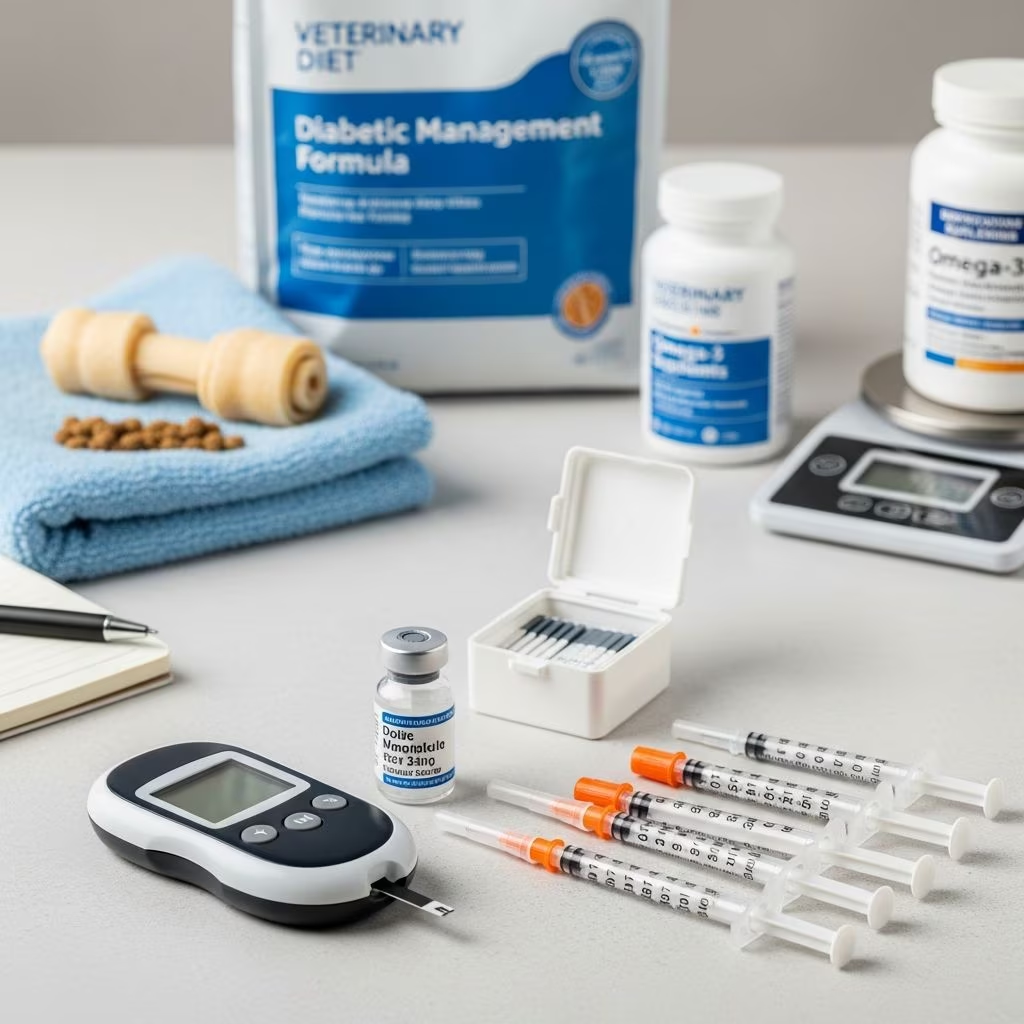
Diabetes mellitus in dogs requires consistent management using specialized supplies to regulate blood glucose levels and prevent complications. Core items include insulin formulations, syringes, glucose monitoring tools, and dietary products designed for stable glycemic control.
Understanding the Core Role of Insulin in Treatment
Insulin serves as the foundation of therapy for most diabetic dogs, addressing the deficiency from impaired pancreatic function. Veterinary professionals typically prescribe intermediate or long-acting insulins administered via subcutaneous injections, often twice daily to mimic natural hormone release.
Common options encompass Vetsulin (porcine insulin zinc suspension), ProZinc (protamine zinc recombinant human insulin licensed for dogs), Humulin N, and human analogs like glargine (Lantus) or detemir (Levemir). Selection depends on the dog’s response, with ProZinc showing efficacy in 72% of cases during field trials when given once daily.
- Vetsulin/Caninsulin: Widely used porcine-based insulin for twice-daily dosing, effective for initial stabilization.
- ProZinc: FDA-approved for dogs, offering once-daily convenience for suitable patients.
- Glargine/Detemir: Long-acting human insulins adapted for veterinary use, potentially requiring twice-daily administration.
Owners must store insulin properly: refrigerate unopened vials and keep in-use ones at room temperature, avoiding extremes to maintain potency.
Precision Injection Tools for Safe Administration
Administering insulin demands accurate, sterile tools to minimize discomfort and ensure dosing precision. Disposable syringes calibrated in units (e.g., U-40 or U-100 matching the insulin type) are standard, with ultra-fine needles (28-31 gauge) reducing pain.
| Syringe Type | Compatible Insulin | Key Features |
|---|---|---|
| U-100 | Humulin N, Glargine, Detemir | Standard human insulin concentration; widely available. |
| U-40 | Vetsulin, ProZinc | Veterinary-specific; prevents overdosing errors. |
| Insulin Pens | Various (with cartridges) | Pre-filled for ease; less common but growing in use. |
Additional accessories include alcohol swabs for site cleaning, needle clippers for safe disposal, and sharps containers to handle biohazardous waste compliantly. Rotate injection sites (scruff, flanks) to avoid lipohypertrophy.
Blood Glucose Monitoring Devices and Techniques
Regular monitoring tracks treatment efficacy, guiding dose adjustments. Home glucometers designed for veterinary use provide quick capillary blood readings from the ear or paw pad.
Popular models include AlphaTRAK (pet-specific with canine curve) and human meters like Freestyle Libre (continuous glucose monitoring sensors). Key parameters: pre- and post-insulin glucose (target 100-250 mg/dL), alongside fructosamine tests at vet visits for long-term averages.
- Traditional Glucometers: Require lancets to prick skin; test strips stored away from moisture.
- Continuous Monitors: Implantable sensors for real-time data via apps, ideal for unstable cases.
- Urine Test Strips: Detect glucose/ketones as a basic alert, though less precise than blood tests.
Vets often plot glucose curves during rechecks: serial measurements over 12-24 hours to visualize peaks/troughs.
Nutritional Products Tailored for Glycemic Stability
Diet profoundly influences glucose absorption. Prescription foods high in fiber, moderate protein, and low in simple carbs/glycemic index slow sugar release.
Brands like Hill’s w/d, Purina DM, or Royal Canin Glycobalance feature soluble fibers (e.g., psyllium) and antioxidants. Feed consistent portions twice daily, synchronized with insulin to prevent hypoglycemia.
- Portion control scoops and measuring cups ensure accuracy.
- High-fiber treats (e.g., green beans) as low-calorie rewards.
- Water fountains encourage hydration, countering fiber-induced thirst.
Exercise Aids and Lifestyle Support Items
Moderate, routine activity enhances insulin sensitivity, lowering required doses. Leashes, harnesses, and interactive toys facilitate daily 30-minute walks or play without overexertion.
Track activity with pet fitness collars monitoring steps/calories. Maintain indoor living to control variables like stress or temperature swings impacting glucose.
Preventing and Handling Hypoglycemia: Emergency Kits
Hypoglycemia (low blood sugar) poses acute risks, signaled by weakness, seizures, or collapse. Emergency kits include corn syrup, honey, or dextrose gel for rapid oral glucose, plus glucagon injections for severe cases.
Recognize signs: tremors, disorientation, pale gums. Always feed before insulin; monitor closely post-exercise or during illness.
Veterinary Diagnostics and Ongoing Supplies
Regular vet tools encompass bloodwork kits for HbA1c/fructosamine, urine analyzers for infections (common in diabetics), and ultrasound for pancreatitis screening.
Stock logbooks or apps for recording glucose, meals, insulin doses. Annual eye exams prevent cataracts.
Cost Considerations and Supply Sourcing
Monthly expenses range $100-300, covering insulin ($50-150/vial), syringes ($20), glucometer strips ($30-50). Bulk purchasing from vet pharmacies or online with prescriptions saves costs. Pet insurance often reimburses 70-90%.
Frequently Asked Questions (FAQs)
How often should I test my dog’s blood sugar?
Initially daily or twice daily; stabilize to 2-3 times weekly, plus vet curves monthly until regulated.
Can my dog live a normal life with diabetes?
Yes, with diligent management; many thrive for years, though 10% face euthanasia in the first year due to challenges.
What if I miss an insulin dose?
Skip and resume normally; never double-dose. Monitor closely and consult vet.
Are there oral medications instead of injections?
Rarely for dogs; insulin is primary. Some non-insulin-dependent cases use diet alone initially.
How do I train my dog for injections?
Associate with treats; most tolerate well after 1-2 weeks. Use distraction techniques.
References
- How to Treat Diabetes in Dogs — LakeCross Veterinary Hospital. 2020-06-12. https://www.lakecross.com/site/blog-huntersville-vet/2020/06/12/how-treat-diabetes-dogs
- Managing Diabetes in Dogs & Cats: A Guide for Pet Owners — Cobb Veterinary Clinic. N/A. https://cobb.vet/managing-diabetes-in-dogs-cats-a-guide-for-pet-owners/
- Diabetes in Dogs: Treatment & When Euthanasia May Help — Paws at Peace. N/A. https://pawsatpeace.com/diabetes-dogs/
- Treating and Managing Diabetes Mellitus in Dogs — Today’s Veterinary Practice. N/A. https://todaysveterinarypractice.com/endocrinology/treating-and-managing-diabetes-mellitus-in-dogs/
- Diabetes Mellitus: Insulin Treatment in Dogs — VCA Animal Hospitals. N/A. https://vcahospitals.com/know-your-pet/diabetes-mellitus-insulin-treatment-in-dogs
- Managing Canine Diabetes — Cornell University College of Veterinary Medicine. N/A. https://www.vet.cornell.edu/departments-centers-and-institutes/riney-canine-health-center/canine-health-information/managing-canine-diabetes
- Diabetes in Dogs: Symptoms, Causes, & Treatment — American Kennel Club. N/A. https://www.akc.org/expert-advice/health/diabetes-in-dogs/



