

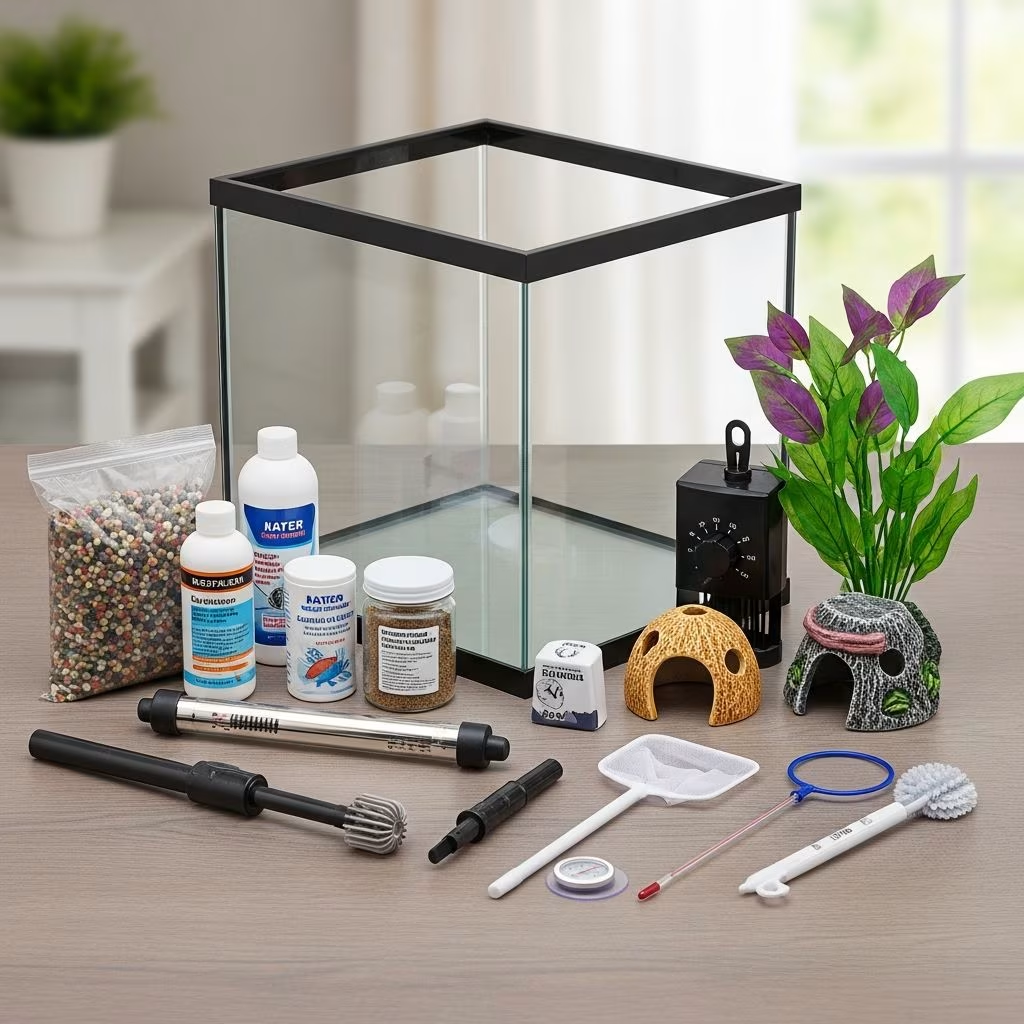
Essential Supplies for a Fish Tank: A Complete Guide
Setting up a fish tank requires careful planning and the right equipment to ensure your aquatic pets thrive. Whether you’re a beginner or experienced aquarist, understanding which supplies are truly essential will help you create a healthy environment for your fish. Before bringing home any fish, it’s important to gather all necessary equipment and allow your biological filter to establish itself—ideally for at least a month—to safely process waste and maintain water quality.
Understanding Tank Size and Selection
The foundation of any successful aquarium starts with selecting an appropriate fish tank. Fish tanks are typically made from either glass or acrylic materials, each with distinct advantages and disadvantages. Glass tanks are scratch-resistant, sturdy, and provide excellent clarity for viewing your fish, making them popular among aquarists. However, glass tanks can be quite heavy, requiring a robust support structure. Acrylic tanks offer greater durability and superior insulation properties, helping to maintain stable water temperatures. The downside is that acrylic is prone to scratching and generally costs more than comparable glass options.
When determining tank size, remember that bigger is almost always better in aquarium keeping. Larger tanks provide more stable water chemistry and greater biological capacity. For most freshwater fish species, aim for a minimum tank size of at least 16 gallons. However, certain species like betta fish can thrive in smaller tanks—approximately 5 gallons should be the absolute minimum for these hardy fish. The size you choose will ultimately depend on the specific fish species you plan to keep and the space available in your home.
Beyond the tank itself, you’ll need a sturdy aquarium stand designed to support the weight of your filled tank—which can be considerable, especially with glass tanks. Additionally, invest in a quality tank lid to prevent fish from jumping out and to reduce water evaporation while promoting proper gas exchange in your aquarium.
Filtration Systems: The Heart of Your Aquarium
A proper filtration system is absolutely critical to maintaining a healthy aquarium environment. The filter serves multiple essential functions: it circulates water throughout the tank, removes fine waste particles, and most importantly, facilitates the nitrogen cycle by providing surfaces for beneficial bacteria to colonize. Understanding the three types of filtration will help you choose the right system for your needs.
Mechanical filtration physically traps debris and waste particles, preventing them from decomposing and fouling your water. Chemical filtration uses activated carbon and other media to remove dissolved impurities and odors from the water. Biological filtration relies on beneficial bacteria that convert toxic ammonia and nitrite into less harmful nitrate. A quality aquarium filter should provide all three types of filtration to maintain pristine water conditions.
When selecting a filter, you have two main options: internal filters and external filters. Internal filters are compact and suitable for smaller tanks, while external filters (also called canister filters) offer superior filtration capacity and are ideal for larger aquariums. Whichever you choose, ensure it’s appropriately sized for your tank’s volume to maintain adequate water circulation and filtration efficiency.
Water Conditioning and Quality Management
Before adding any fish to your aquarium, you must treat your tap water to make it safe for aquatic life. Municipal tap water contains chlorine and potentially harmful metals that can injure or kill fish. A basic dechlorinator will remove these chemicals, making the water safe for your aquarium inhabitants. Many aquarists also benefit from adding helpful bacteria cultures to jump-start the biological filtration process, accelerating tank cycling and reducing the time before fish can be safely introduced.
Water quality testing is an ongoing necessity for successful fishkeeping. A comprehensive aquarium test kit allows you to monitor crucial parameters including ammonia, nitrite, nitrate, and pH levels. Regular testing helps you identify problems early and make necessary water adjustments. During the initial cycling period, test your water regularly to track nitrogen cycle progression and confirm that ammonia and nitrite levels have dropped to zero before adding fish.
Substrate: Foundation and Function
Substrate—the material covering the bottom of your tank—serves both aesthetic and functional purposes. Beyond creating a natural-looking aquarium environment, substrate plays a crucial role in biological filtration by providing surface area for beneficial bacteria to colonize. The choice of substrate depends on your fish species and whether you plan to include live plants.
Substrate options range from fine sand to larger gravel pieces. Fine sand works well for bottom-dwelling fish species that prefer to forage along the substrate, while standard aquarium gravel suits most freshwater fish. Some popular substrate options include:
- Fine sand for delicate fish and planted tanks
- Coated aquarium gravel in various colors
- Specialty planted aquarium substrates enriched with nutrients
- Eco-complete substrates containing beneficial bacteria and minerals
Consider your aquatic plants’ needs when selecting substrate, as rooted plants require nutrient-rich substrates to thrive. For tanks without live plants, standard gravel provides adequate biological surface area and is easier to maintain during cleaning.
Heating and Temperature Control
Most tropical freshwater fish require stable water temperatures between 76-80°F (24-27°C) for optimal health. An aquarium heater maintains these temperatures consistently, preventing the stress and illness that come from temperature fluctuations. Heater size depends on your tank volume and room temperature—larger tanks or cooler rooms may require more powerful heaters to maintain target temperatures efficiently.
Pair your heater with an aquarium thermometer to monitor water temperature accurately. Digital or analog thermometers allow you to verify that your heater is functioning properly and maintaining the desired temperature range. Regular temperature monitoring helps you identify heater malfunctions before they harm your fish.
Lighting Your Aquarium
Proper lighting serves multiple purposes in your aquarium: it allows you to see and enjoy your fish, supports the growth of live plants through photosynthesis, and helps establish natural day-night cycles that promote fish health. Modern LED lighting systems are energy-efficient, generate minimal heat, and allow you to adjust color spectrums to enhance both plant growth and fish coloration.
The duration and intensity of lighting affect both plant growth and fish behavior. Most planted tanks benefit from 8-10 hours of quality lighting daily. If you’re maintaining a non-planted tank focused on displaying fish, 8 hours of lighting daily is usually sufficient. Consider investing in a timer to automatically control lighting cycles, reducing the need for manual switching and promoting consistent fish behavior.
Essential Accessories and Maintenance Tools
Beyond the major equipment components, several accessories make aquarium maintenance easier and more effective. A siphon or gravel vacuum is essential for performing water changes while simultaneously removing debris from the substrate. This tool serves double duty by draining water and removing waste in one efficient operation.
An algae scraper or magnetic algae remover keeps viewing panels clean and transparent without harming fish or plants. Algae buildup is inevitable in established aquariums, and regular cleaning with these specialized tools maintains your viewing experience while preventing excess algae growth.
Keep a dedicated bucket strictly for aquarium use during water changes. This prevents contamination from soaps, chemicals, or other household substances that could harm your fish. Additionally, a bucket makes transporting water to and from your aquarium convenient and reduces the risk of spills.
Substrate and Decorations Table
| Substrate Type | Best For | Pros | Cons |
|---|---|---|---|
| Fine Sand | Bottom-dwellers, planted tanks | Natural appearance, plant-friendly | Requires more frequent cleaning |
| Standard Gravel | General freshwater tanks | Easy to maintain, good water flow | Less plant support |
| Specialty Planted Substrate | Heavily planted aquariums | Nutrient-rich, promotes plant growth | More expensive |
| Eco-Complete | Biological filtration support | Contains beneficial bacteria | Premium pricing |
Setting Up Your Fish Tank Step-by-Step
Proper setup sequence ensures everything functions correctly from day one. Begin by setting up your aquarium stand or cleaning the counter space where your tank will be positioned. Ensure the surface is level and capable of supporting the full weight of your filled tank. Rinse your aquarium and accessories to remove any dust or residue from manufacturing and storage.
Install a background if desired, then place your tank on the stand. Pour substrate into the tank to your desired depth, typically 2-3 inches depending on your plants and fish preferences. Position your filter and heater in the tank, arranging decorations to hide equipment while maintaining adequate water circulation.
Fill your aquarium with room-temperature water and immediately dose with dechlorinator according to product instructions. This step is critical to remove chlorine before it can harm beneficial bacteria or your fish. If you’re planning a planted tank, now is the time to plant aquatic vegetation, allowing roots to establish before adding fish.
Allow your tank to cycle for at least one month before adding fish. During this period, beneficial bacteria will colonize your substrate and filter media, establishing the nitrogen cycle that processes fish waste. This waiting period is non-negotiable—rushing to add fish before your biological filter is established results in ammonia poisoning and fish death.
Starter Kits: Are They Worth It?
Many aquarium manufacturers offer starter kits that bundle essential equipment at discounted prices. These kits typically include a filter, lighting, and sometimes a heater, providing convenient all-in-one solutions for beginners. However, it’s crucial not to assume that every starter kit includes everything you’ll need or that included components are optimal for your specific fish species.
Before purchasing a starter kit, research your intended fish species carefully. Some kits lack heaters (necessary for tropical fish) or include inadequate filtration for your tank size. Conversely, well-designed kits can offer excellent value and convenience, particularly the larger models that come fully equipped with quality components. Budget-friendly options like the Marina Lux range provide good value for temperate and tropical fish, with the 75-liter version featuring a complete setup of light, heater, and filter.
Frequently Asked Questions
What’s the minimum tank size for freshwater fish?
For most freshwater fish species, aim for a minimum of 16 gallons. Some hardy species like bettas can survive in 5-gallon tanks, but larger tanks provide more stable water chemistry and better long-term success rates.
How long should I wait before adding fish to a new tank?
Allow your tank to cycle for at least one month before adding fish. During this period, beneficial bacteria establish and the nitrogen cycle begins functioning, making the environment safe for fish. Test your water regularly and only add fish when ammonia and nitrite levels are zero.
Do I need both a filter and an air pump?
A quality filter provides both mechanical filtration and water circulation, making a dedicated air pump optional for most setups. However, air pumps can provide additional oxygenation and aesthetic appeal through bubble generation. Consider your tank size and bioload when deciding.
What’s the difference between glass and acrylic tanks?
Glass tanks are scratch-resistant and provide excellent clarity but are heavy. Acrylic tanks are more durable and insulated but prone to scratching and more expensive. Choose based on your budget, space, and durability preferences.
How often should I test my water parameters?
During the cycling period, test water daily or several times weekly. Once established, test parameters weekly for the first month, then monthly for established tanks. Increase testing frequency if you notice fish health issues or unusual tank conditions.
Should I use tap water or filtered water in my aquarium?
Treated tap water is perfectly fine for most aquariums when properly conditioned with dechlorinator. Many aquarists prefer tap water as it contains beneficial minerals. However, some prefer reverse osmosis or filtered water for specific applications like planted tanks or maintaining precise water chemistry.
Conclusion
Setting up a successful aquarium requires investing in quality supplies and understanding how each component contributes to a healthy aquatic environment. From selecting an appropriately sized tank to establishing proper filtration and water treatment, each element plays a vital role in fish health and longevity. Take time to research your specific fish species’ requirements, invest in reliable equipment, and follow proper setup procedures. By gathering these essential supplies before bringing home your fish and allowing adequate time for biological cycling, you’ll create a thriving aquatic ecosystem where your fish can flourish for years to come. Remember, patience during the setup phase pays dividends through years of enjoyment and healthy fish.
References
- Aquarium Setup Checklist: Everything You Need to Get Started — Complete Koi. 2025. https://www.completekoi.com/blogs/news/aquarium-setup-checklist-everything-you-need-to-get-started
- Essential Supplies for a Fish Tank: A Complete Guide — Chewy Education. 2025. https://www.chewy.com/education/fish/general/supplies-for-fish-tank
- Setting Up Your Aquarium: Equipment Checklist — Real Aquatics. 2025. https://realaquatics.co.uk/blogs/news/setting-up-your-aquarium-equipment-checklist
- New Fish Checklist: How to Set Up a Fish Tank for Beginners — Aquarium Coop. 2025. https://www.aquariumcoop.com/blogs/aquarium/how-to-set-up-a-fish-tank
- Top 10 Supplies for Fish Tanks: Fresh & Saltwater Guide — Aqua Dream USA. 2025. https://aquadreamusa.com/a/blog/Aquablog/post/top-10-essential-supplies-for-fish-tanks-a-guide-for-freshwater-and-saltwater-enthusiasts



