

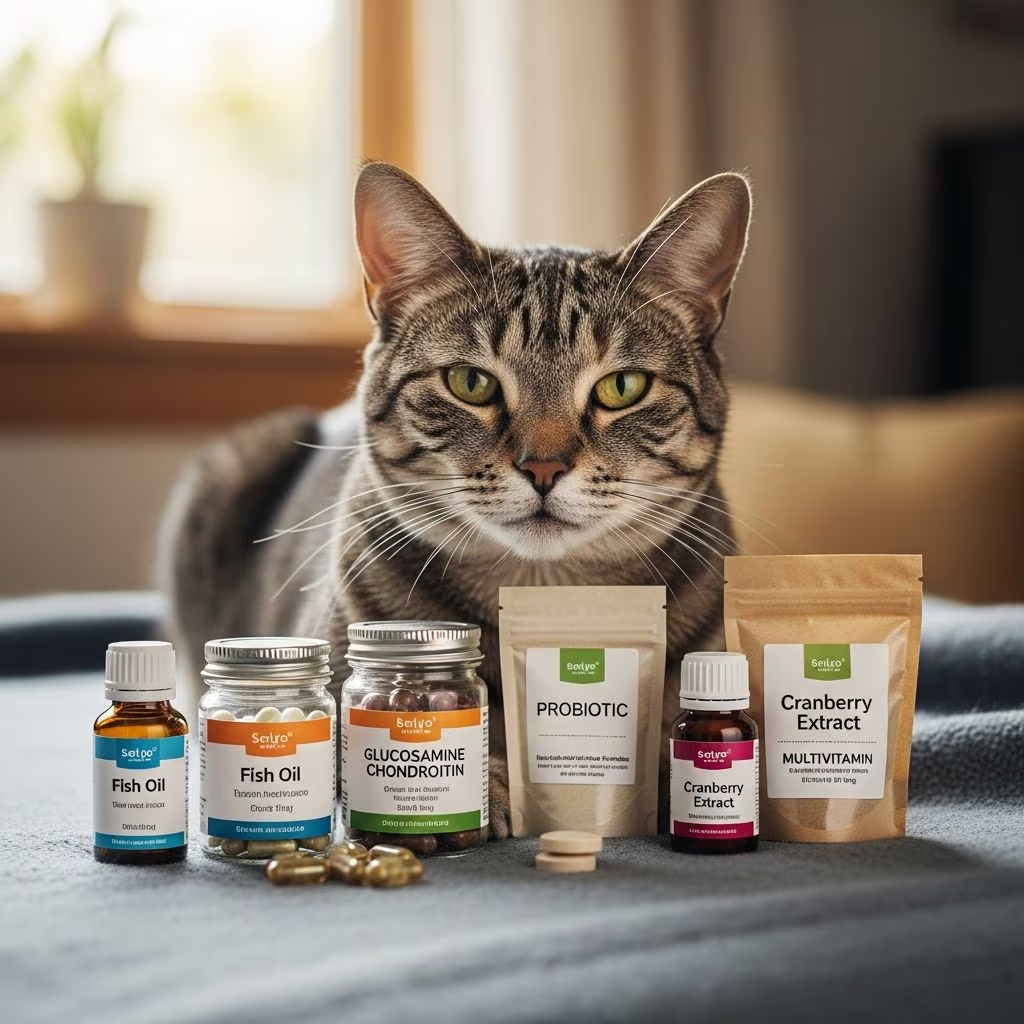
As cats reach their senior years, typically starting at age 7, their bodies experience natural changes that can affect mobility, digestion, cognition, and overall vitality. While a high-quality, age-appropriate diet provides foundational nutrition, targeted supplements can address specific age-related challenges, helping your feline companion maintain comfort and energy. This guide explores the most effective supplements, their benefits, and practical advice for integration into your cat’s routine, always emphasizing veterinary consultation for personalized recommendations.
Understanding the Aging Process in Cats
Senior cats often face a slowdown in metabolism, reduced lean muscle mass, and heightened vulnerability to conditions like arthritis, kidney issues, and cognitive decline. These changes can lead to decreased activity, poor appetite, and a dull coat. Supplements serve as nutritional boosters, filling gaps that standard food might not fully cover, particularly for cats with chronic conditions or those on restricted diets. Research from veterinary sources highlights that ingredients like glucosamine and omega fatty acids can mitigate inflammation and support organ function in older felines.
Not every senior cat requires supplements; many thrive on premium senior formulas alone. However, observable signs such as limping, lethargy, or irregular bowel movements signal the potential need for added support. Regular vet check-ups, including bloodwork, help identify deficiencies early, ensuring supplements are safe and necessary.
Top Supplements for Joint Mobility and Comfort
Arthritis affects up to 90% of cats over 12 years old, causing pain and stiffness that limit jumping and play. Joint supplements are among the most recommended for restoring ease of movement.
- Glucosamine and Chondroitin: These compounds nourish cartilage, reduce joint inflammation, and promote lubrication. Studies show they improve mobility in aging cats without side effects when dosed correctly.
- MSM (Methylsulfonylmethane): A sulfur-rich additive that further eases discomfort and supports connective tissue repair.
Incorporate these via chews, powders, or liquids mixed into food. Start with low doses to monitor tolerance, aiming for products with at least 500mg glucosamine per serving for a 10-pound cat.
Boosting Brain Health and Mental Sharpness
Cognitive dysfunction syndrome (CDS), akin to dementia in humans, impacts memory, orientation, and sleep patterns in senior cats. Antioxidant-rich supplements counteract oxidative stress in the brain, preserving neural function.
- Omega-3 Fatty Acids (EPA and DHA): Sourced from fish oil, these reduce brain inflammation and enhance synaptic health, potentially slowing CDS progression.
- Antioxidants like Vitamins E, C, and A: They neutralize free radicals, supporting memory and alertness. B vitamins also aid neurotransmitter production for better mood and focus.
Look for formulas combining these with phospholipids for optimal absorption. Owners often report sharper interaction and reduced nighttime pacing after 4-6 weeks of use.
Supporting Digestive Wellness and Gut Balance
Aging weakens the gut microbiome, leading to constipation, diarrhea, or poor nutrient uptake. Probiotics restore beneficial bacteria, enhancing digestion and immunity.
- Probiotics (e.g., Lactobacillus, Bifidobacterium): These strains improve stool quality and appetite by balancing intestinal flora.
- Prebiotics (e.g., FOS, MOS): Fibers that feed good bacteria, amplifying probiotic effects.
For picky eaters, probiotic toppers mimic treats. They also bolster immunity, as 70% of feline immune cells reside in the gut.
Enhancing Skin, Coat, and Immune Resilience
Dry skin, shedding, and frequent infections plague many seniors due to diminished oil production and immune vigor. Fatty acids and vitamins restore luster and defense mechanisms.
| Supplement | Key Benefits | Sources |
|---|---|---|
| Omega-3 & Omega-6 | Hydrates skin, reduces itching, supports heart health | Fish oil, flaxseed |
| Vitamin E & A | Antioxidant protection, infection resistance | Green leafy extracts |
| L-Lysine | Respiratory and immune support | Amino acid blends |
These nutrients combat allergies and promote a glossy coat. Multivitamins with lysine are ideal for cats prone to upper respiratory issues.
Weight Management and Metabolic Support
Obesity exacerbates joint strain and diabetes risk in less active seniors. Supplements aid fat metabolism without compromising muscle.
- L-Carnitine: Transports fats into cells for energy, promoting lean body composition.
- Moderate-Calorie Boosters: With taurine to maintain heart function during weight loss.
Pair with portion-controlled senior food and gentle play to achieve sustainable results.
How to Choose and Administer Supplements Safely
Select vet-endorsed brands with third-party testing (e.g., NASC seal) to ensure purity. Forms include:
- Powders: Versatile for wet food.
- Chews: Palatable treats.
- Liquids: Precise dosing via dropper.
- Capsules: Hidden in treats or pill pockets.
Dosage varies by weight and condition—typically 1/4 human equivalent. Introduce gradually over 7-10 days to avoid tummy upset. Over-supplementation risks toxicity, especially fat-soluble vitamins, so blood monitoring is key.
Integrating Supplements with Diet and Lifestyle
Senior diets with built-in glucosamine reduce the need for extras, but custom stacks excel for targeted needs. Combine with:
- Hydration Aids: Fountains encourage drinking for kidney health.
- Exercise: Laser toys for low-impact movement.
- Environment: Ramps, soft beds for joint relief.
Holistic approaches, like CBD for anxiety (vet-approved), complement traditional supplements.
Frequently Asked Questions (FAQs)
Do all senior cats need supplements?
No, but those with diagnosed issues like arthritis benefit most. Consult your vet.
Can supplements replace cat food?
Never; they complement balanced nutrition.
How long until I see results?
2-8 weeks, depending on the supplement and cat’s health.
Are there risks for cats with kidney disease?
Yes; high phosphorus or protein supplements may harm. Vet guidance essential.
What if my cat refuses supplements?
Try flavors like chicken or tuna; mix into favorite foods.
Real-Life Success Stories
Owners report transformations: A 14-year-old tabby regained jumping ability with glucosamine-omega blends, while another saw coat shine return via probiotics. These anecdotes underscore personalized application.
References
- Top Supplements for Cat Health at Every Life Stage — ImpriMed. 2024. https://www.imprimedicine.com/blog/cat-supplements
- Do Senior Cats Need Supplements? — Purina. 2024. https://www.purina.com/articles/cat/senior-cat/health/cat-supplements
- Senior 27+ Active Health for Cats — VetriScience. 2024. https://www.vetriscience.com/senior-27-active-health-for-cats.html
- What Are Cat Supplements and How Do They Work? — PetMD. 2024. https://www.petmd.com/cat/nutrition/what-are-cat-supplements-how-do-they-work
- What food or supplements does my senior cat need? — Vetster. 2024. https://vetster.com/en/wellness/what-food-or-supplements-does-my-senior-cat-need
- Senior Cat Care: Promoting Wellness at Every Age — Haywood Road Vet. 2024. https://www.haywoodroadvet.com/services/cats/blog/senior-cat-care-promoting-wellness-every-age



