

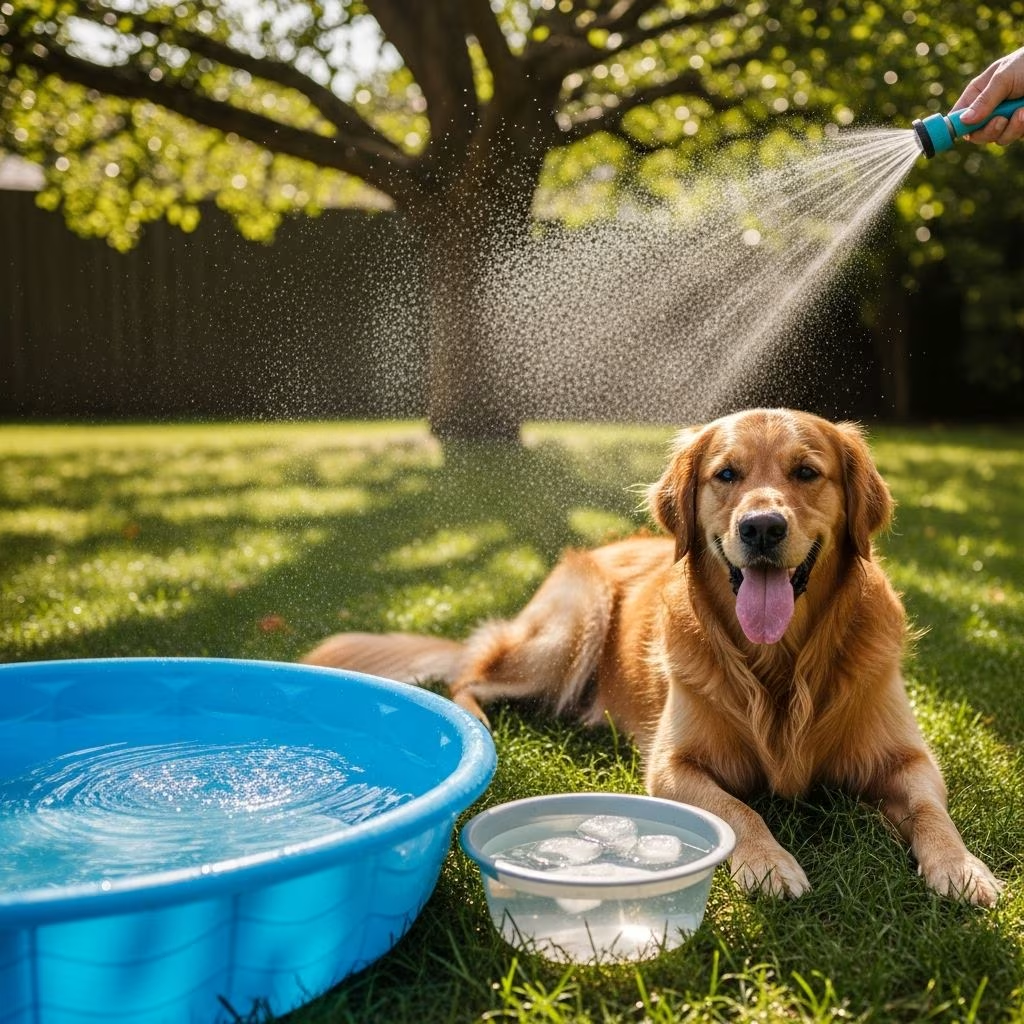
Dogs face significant risks during warm months due to their limited cooling mechanisms, primarily relying on panting rather than sweating like humans. Implementing proactive measures can prevent overheating, heatstroke, and related complications, ensuring your pet remains healthy and active.
Understanding Canine Heat Regulation Challenges
Dogs cool themselves mainly through panting, which evaporates moisture from their tongue and respiratory tract. However, high humidity impairs this process, making hot, muggy days particularly hazardous. Brachycephalic breeds such as Bulldogs and Pugs, overweight dogs, seniors, and puppies are at higher risk because of compromised airways or reduced thermoregulation efficiency. Veterinary experts emphasize recognizing early signs like excessive panting, drooling, lethargy, or bright red gums to intervene promptly.
Optimizing Hydration for Peak Performance
Constant access to fresh, cool water is foundational for temperature control. Dehydration exacerbates overheating, as dogs cannot pant effectively without adequate fluids. Place multiple bowls around your home and yard, refreshing them frequently, and add ice cubes to maintain chill without shocking the system. During outings, carry portable bottles and collapsible bowls. For hesitant drinkers like older dogs, pet fountains encourage consumption by mimicking running water.
- Refill bowls multiple times daily, especially post-exercise.
- Use ice-enhanced water for prolonged cooling effects.
- Monitor intake; reduced drinking signals potential issues.
Strategic Timing and Locations for Exercise
Avoid midday heat by scheduling walks and play for dawn or dusk when ground temperatures drop. Pavement retains intense solar heat, capable of burning paw pads in seconds—apply the five-second hand test: if too hot for your palm, skip it. Opt for grass, trails, or shaded routes, and incorporate frequent breaks. Shorten sessions for vulnerable breeds, prioritizing low-impact activities like gentle fetch over vigorous runs.
| Time of Day | Safe Activity Level | Temperature Guideline |
|---|---|---|
| Early Morning (5-9 AM) | High: Full walks and play | Below 75°F (24°C) |
| Midday (10 AM-4 PM) | None: Indoor rest only | Above 80°F (27°C) |
| Late Evening (After 7 PM) | Moderate: Light exercise | Below 80°F (27°C) |
Creating Cool Indoor and Outdoor Retreats
Air-conditioned interiors provide the gold standard, but fans alone offer limited relief since dogs don’t sweat through skin. Combine with frozen water bottles wrapped in towels or pet-specific cooling mats that absorb body heat. Outdoors, erect shaded canopies or plant barriers; avoid enclosed doghouses that trap warmth. Damp towels over the torso aid evaporation without ice, which constricts blood vessels and hinders cooling.
- Invest in gel-based cooling mats for bedding.
- Position fans near resting spots with water bowls nearby.
- Elevate beds for better airflow circulation.
Advanced Cooling Gear and Innovations
Modern products like cooling vests, bandanas, and collars use evaporative technology or phase-change materials to draw heat away. These are ideal for active dogs or those in humid climates. Paw balms or booties shield against hot surfaces, while reflective pet jackets minimize solar absorption. Always verify sizing and material safety to prevent chafing.
Recognizing and Responding to Overheating Emergencies
Heatstroke manifests rapidly: watch for vomiting, diarrhea, collapse, or seizures. Act immediately by relocating to shade or AC, applying lukewarm water to the body (avoid head to prevent aspiration), and fanning gently. Offer small sips of water but skip forcing intake. Survival odds improve from 50% to 80% with swift cooling en route to a vet, where IV fluids and monitoring follow. Never use ice baths, as they shock the system and trap core heat.
Breed-Specific and Lifestyle Adjustments
Tailor precautions to your dog’s profile. Thick-coated breeds benefit from summer grooming to thin fur layers, while short-nosed types need abbreviated outings. Overweight pets require gradual weight loss plans year-round. Multi-pet homes should segregate high-risk individuals during peaks. Integrate heartworm preventives, as parasites thrive in warmth and compound vulnerabilities.
Long-Term Summer Preparedness Checklist
Build habits early: vet checkups assess baseline health, first-aid kits stock alcohol rubs (70% isopropyl on pads for evaporation), and apps track heat indexes. Train recall commands for quick shade retreats. Community resources like pet cooling stations in parks enhance safety during events.
Frequently Asked Questions (FAQs)
Can fans alone cool my dog?
No, fans help minimally; pair with hydration and wet towels for evaporation.
Is it safe to shave double-coated dogs?
Generally avoid; the undercoat insulates against heat—consult a groomer.
How hot is too hot for walks?
Above 85°F (29°C) with humidity over 70% poses high risks; stay indoors.
What if my dog refuses water?
Flavor with low-sodium broth; persistent refusal warrants vet evaluation.
Are cooling treats effective?
Yes, frozen yogurt or broth pops provide internal cooling boosts.
Holistic Wellness Integration
Beyond immediate tactics, nutrition supports resilience: high-moisture foods like canned varieties aid hydration. Supplements with omega-3s reduce inflammation from heat stress. Mental enrichment via puzzle toys indoors prevents cabin fever during heatwaves. Track patterns via journals to refine annual plans, consulting vets for personalized tweaks.
Yearly summer prep evolves with climate shifts; monitor forecasts and adjust dynamically. Engaged ownership transforms potential crises into seamless seasons of joy.
References
- Heatstroke in Dogs: Signs, Treatment, and Prevention — PetMD. 2023. https://www.petmd.com/dog/conditions/systemic/heatstroke-dogs
- Hot Weather Safety Tips — ASPCA. 2023. https://www.aspca.org/pet-care/general-pet-care/hot-weather-safety-tips
- Keeping Dogs Cool For The Summer To Prevent Heatstrokes — Texas A&M University Stories. 2023-07-27. https://stories.tamu.edu/news/2023/07/27/keeping-dogs-cool-for-the-summer-to-prevent-heatstrokes/
- Pet Heat Safety – Can Pets Get Heat Stroke? — American Red Cross. 2023. https://www.redcross.org/get-help/how-to-prepare-for-emergencies/pet-heat-safety.html
- Hot pets – Not cool – Learn how to prevent heatstroke — VCA Animal Hospitals. 2023. https://vcahospitals.com/resources/lifestyle-dog/hazards-safety/hot-pets—not-cool—learn-how-to-prevent-heatstroke



