

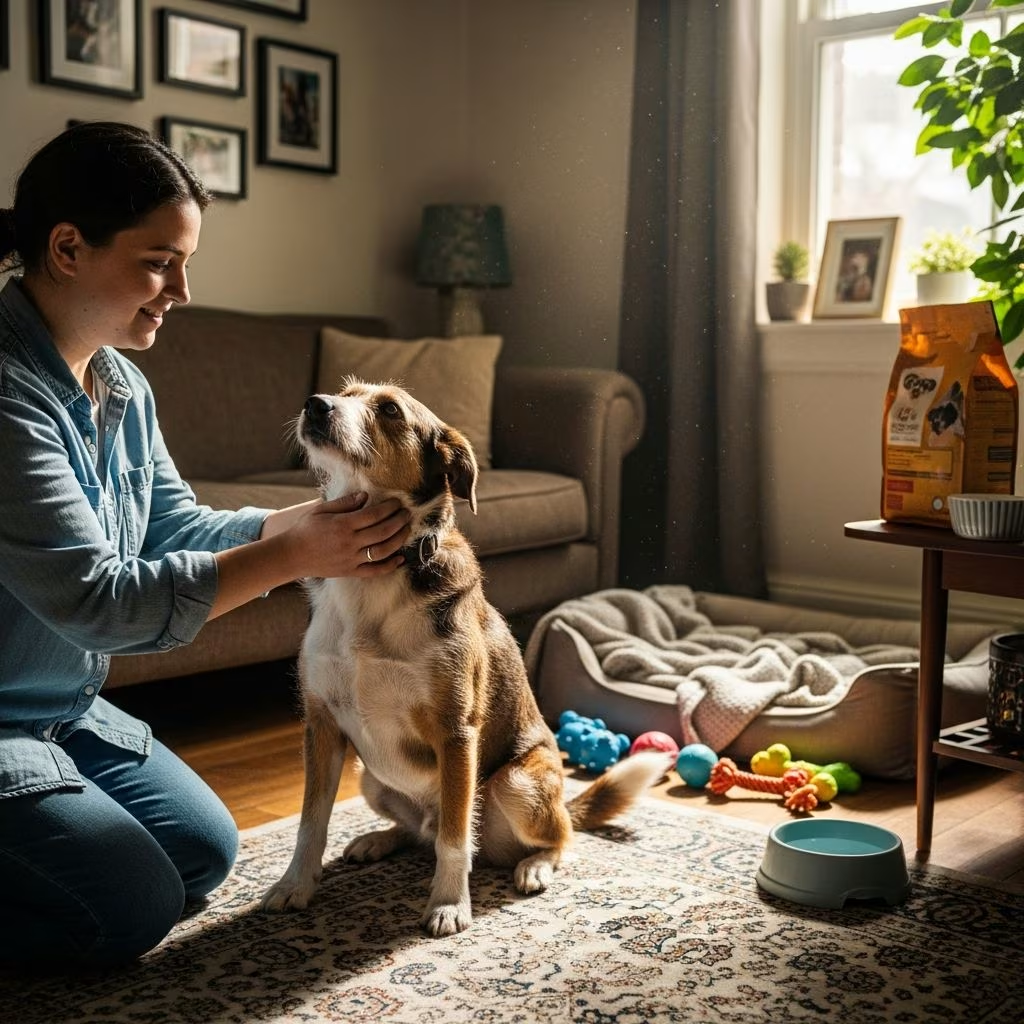
Bringing a dog into your home marks the start of an exciting journey filled with joy, responsibility, and learning. Whether it’s a playful puppy or a wise senior, your new companion needs thoughtful preparation to settle in comfortably. This guide outlines critical actions to take immediately after adoption, drawing from expert recommendations to cover safety, health, training, and daily routines. By following these steps, you’ll create a nurturing environment that fosters trust and well-being.
Preparing Your Living Space for Safety and Comfort
The first priority is transforming your home into a secure haven. Dogs explore with curiosity, so identifying and eliminating hazards prevents accidents and builds confidence.
- Secure hazardous items: Tuck away electrical cords, chemicals, medications, and small objects that could be swallowed. Opt for childproof locks on cabinets and keep trash bins lidded or in inaccessible spots.
- Plant and yard checks: Remove toxic plants like lilies or azaleas from indoor and outdoor areas. For unfenced yards, install barriers or use leashes during outdoor time.
- Bathroom precautions: Lower toilet lids to avoid drowning risks or ingestion of unclean water.
Designate a cozy zone for your dog, such as a quiet corner with a comfortable bed, water bowl, and toys. This space offers a retreat during adjustments, especially useful for multi-pet homes or during gatherings. Use baby gates or playpens to restrict access temporarily while your dog acclimates.
Gathering Must-Have Supplies
Stock up on essentials before or right after pickup. Tailor choices to your dog’s size, age, and breed for optimal fit.
| Category | Key Items | Why It Matters |
|---|---|---|
| Identification & Restraint | Breakaway collar, ID tag with name/phone/QR code, leash, harness, microchip | Enables quick return if lost; microchipping is permanent ID. |
| Containment | Crate, exercise pen | Provides safe alone time, aids house training. |
| Feeding | Stainless steel bowls, food matching shelter diet | Prevents spills, eases stomach transition. |
| Grooming & Health | Brush, nail trimmers, shampoo, flea/tick preventives, dental kit, poop bags | Maintains hygiene, prevents infestations and dental issues. |
| Enrichment | Chew toys, Kongs, puzzle feeders | Reduces boredom, promotes mental health. |
Purchase vet-recommended flea/tick treatments promptly, as parasites spread easily. For dental care, introduce brushing early with dog-safe toothpaste to avoid future cleanings.
Prioritizing Veterinary Health Checks
Schedule a full exam within the first week. Ask the shelter about vaccination history, spay/neuter status, age, diet, illnesses, and behavioral notes.
- Baseline exam: Assess overall health, heartworm test, fecal analysis for parasites.
- Vaccinations: Update core shots like rabies, distemper; discuss lifestyle vaccines (e.g., bordetella for dog parks).
- Preventives: Start heartworm, flea/tick protocols per vet advice.
- Spay/neuter: If not done, plan timing considering age and health.
Observe for symptoms like lethargy, vomiting, or aggression, and trust instincts for prompt vet visits. Establish a long-term vet relationship early.
Establishing a Nutrition and Feeding Routine
Continue the shelter’s food initially to prevent digestive upset, transitioning gradually over 7-10 days by mixing 25% new food daily.
Choose AAFCO-approved food based on life stage:
- Puppies: High-protein for growth, frequent small meals.
- Adults: Balanced for activity level.
- Seniors: Joint support, lower calories.
Feed 2-3 times daily in a quiet spot, using measured portions to maintain ideal weight. Provide constant fresh water, elevating bowls for large breeds to reduce bloat risk.
Implementing Effective Training Foundations
Begin training day one with positive reinforcement—treats, praise, toys. Consistency from all household members sets clear rules.
Core Commands:
- Sit, stay, come, down, heel, leave it, drop it.
- Practice 5-10 minute sessions multiple times daily.
House Training: Take outside frequently (every 2 hours, post-meals/naps), reward successes. Use potty pads indoors if needed, cleaning accidents with enzymatic removers.
Crate training: Make it positive with meals/toys inside, gradually increasing alone time to prevent separation anxiety.
Socialization and Behavioral Integration
Expose gradually to people, pets, environments to build confidence. Stagger introductions—family first, then friends.
- Puppy classes: Ideal for under 16 weeks; teaches manners, socialization.
- Adult dogs: Daycare or walks for exercise, monitoring high-energy breeds.
- Multi-pet homes: Supervised meetings on neutral ground.
Address issues like fear or reactivity early with professional trainers if needed.
Daily Grooming and Maintenance Practices
Regular upkeep prevents health problems and strengthens bonds.
- Bathing: Every 4-6 weeks or as coat needs; use dog shampoo.
- Brushing: Weekly for short coats, daily for long to reduce shedding.
- Nails: Trim monthly or when clicking on floors.
- Ears/Teeth: Clean ears weekly, brush teeth 3x/week.
Daily walks (30-60 minutes) exercise body and mind; adjust for age/energy.
Fostering Strong Emotional Bonds
Quality time builds security. Play, cuddle, train together. Respect signals—some dogs need space initially.
Monitor baseline behavior: appetite, energy, stool. Changes warrant vet checks.
Common Challenges and Solutions
| Challenge | Solution |
|---|---|
| Separation anxiety | Short absences, crate comfort, desensitization. |
| House soiling | Consistent schedule, positive reinforcement. |
| Chewing destruction | Redirect to toys, exercise increase. |
| Fear of new sounds | Calm exposure, thunder shirts if severe. |
Frequently Asked Questions
How soon after adoption should I see a vet?
Within 3-7 days for a thorough checkup and preventives.
Can I change food right away?
No—transition over 1-2 weeks to avoid diarrhea.
Is crating cruel?
Not if done properly; it’s a safe den mimicking wild instincts.
What if my dog growls at others?
Don’t punish; consult trainer/vet for underlying causes.
How much exercise does a new dog need?
Start with 20-30 minutes daily, building based on breed/age.
References
- The Ultimate Checklist for First-Time Dog Owners — The Honest Kitchen. 2023. https://www.thehonestkitchen.com/blogs/pet-tips-training/first-time-dog-owner-checklist
- Dogs Must Haves: The Ultimate Checklist for 2025 — Rubyloo. 2024. https://rubyloo.co/blogs/news/dogs-must-haves
- Ultimate New Puppy and Dog Product Checklist — Chewy. 2024. https://www.chewy.com/education/dog/new-dog/new-dog-product-checklist-for-every-life-stage
- First Time Dog Owner? Your Complete Starter Checklist — Hounds Lounge. 2023. https://www.houndslounge.com/blog/first-time-dog-owner-checklist/
- New Dog Owner Checklist for Bringing Home a Rescue Dog — Petfolk. 2024. https://petfolk.com/petfolklore/bringing-shelter-dogs-home



