

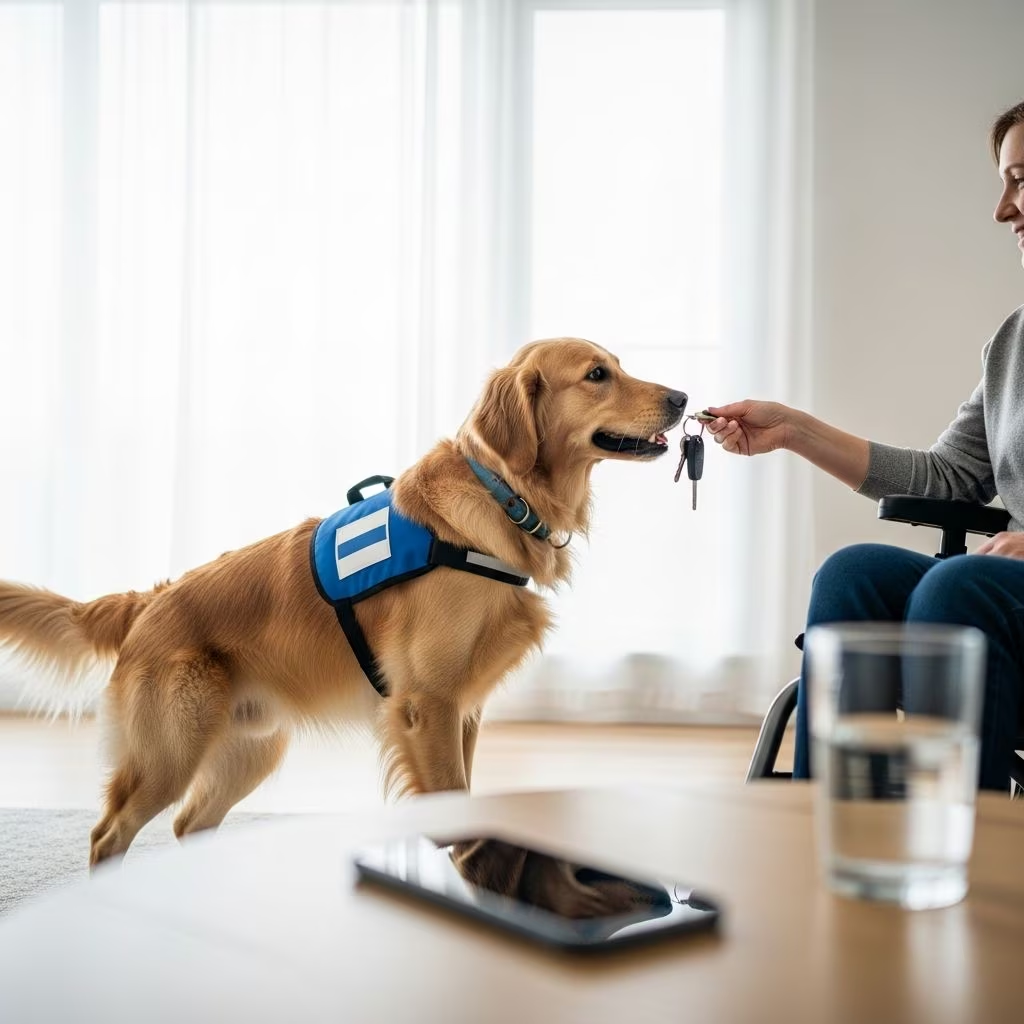
Service dogs transform lives by performing specialized tasks tailored to their handlers’ unique needs. These highly trained canines assist individuals with physical, sensory, medical, and psychiatric disabilities, fostering independence and safety in diverse environments. From retrieving objects to alerting for health crises, their capabilities extend far beyond companionship.
Understanding the Scope of Service Dog Work
Under the Americans with Disabilities Act (ADA), service dogs must perform tasks directly related to a person’s disability. This distinguishes them from emotional support animals, which provide comfort but not trained work. Tasks are categorized by disability type, ensuring precise support. Training emphasizes reliability in public settings, with dogs maintaining calm demeanor amid distractions.
Handlers collaborate with professional trainers to customize tasks, often starting with basic obedience before advancing to complex behaviors. Success relies on positive reinforcement, consistency, and gradual exposure to real-world scenarios. Organizations like the International Association of Assistance Dog Partners outline minimum standards, ensuring dogs meet rigorous criteria for public access.
Mobility and Physical Support Tasks
Mobility service dogs excel in aiding those with physical limitations, such as wheelchair users or individuals with balance issues. These dogs mitigate daily challenges by handling objects and providing physical assistance.
- Retrieving Dropped Items: Dogs fetch keys, phones, glasses, or canes that fall out of reach, preventing unnecessary strain.
- Opening and Closing Doors: Using paws or noses, they operate handles, push plates on automatic doors, or shut cabinets and refrigerators.
- Wheelchair Assistance: Equipped with harnesses, dogs pull manual wheelchairs up inclines or retrieve mobility aids like walkers.
- Balance and Stability: Dogs provide counterbalance during transfers from bed to wheelchair or while navigating stairs.
- Carrying Loads: They transport bags, mail, or laundry in saddlebags, easing burdens during errands.
These tasks enhance autonomy, allowing handlers to manage households or shop independently. For instance, a dog might load clothes into a washer or deposit recyclables into bins, streamlining chores.
Alerting for Medical and Health Conditions
Medical alert dogs detect physiological changes, intervening before crises escalate. Their acute senses identify anomalies humans might miss, such as blood sugar fluctuations or impending seizures.
| Condition | Common Alert Tasks |
|---|---|
| Diabetes | Alert to high/low blood sugar via nudges or pawing; retrieve glucose monitors or insulin. |
| Seizures | Detect pre-seizure signs; guide to safety, summon help by activating emergency calls. |
| Heart Issues | Signal abnormal heart rates; fetch medications or alert bystanders. |
| Allergies | Sniff food/surfaces for allergens like nuts or gluten; retrieve EpiPens. |
Dogs perform these alerts consistently, often pawing handlers or deep-pressure pressing to ground them during episodes. Training involves scent work and behavioral cues, achieving high accuracy rates.
Sensory Assistance: Vision and Hearing
For visual or hearing impairments, service dogs serve as navigators and sound interpreters, compensating for sensory deficits.
Guide Dogs for the Visually Impaired
- Navigate obstacles, stairs, and curbs using harness cues.
- Locate specific destinations like exits, seats, or vehicles.
- Stand guard against hazards, blocking unsafe paths.
Hearing Alert Dogs
- Respond to doorbells, alarms, phones, or name calls with visual signals like pawing.
- Alert to smoke detectors or timers, ensuring timely responses.
- Guide to sound sources or safe exits during emergencies.
These dogs undergo extensive socialization, mastering urban navigation without handler verbal input.
Psychiatric and Emotional Regulation Tasks
Psychiatric service dogs address mental health challenges like PTSD, anxiety, or autism by interrupting harmful patterns and providing stabilizing interventions.
- Deep Pressure Therapy: Lean or lie across handlers during panic to calm via proprioceptive input.
- Interrupting Behaviors: Nudge or paw to halt self-harm, rocking, or dissociation.
- Grounding Techniques: Retrieve comfort items or guide to safe spaces amid sensory overload.
- Social Bridging: Facilitate interactions by drawing positive attention in public.
Research from veterinary behaviorists confirms these tasks reduce symptom severity, with dogs trained to discern subtle handler cues like breathing changes.
Daily Living and Household Management Tasks
Beyond medical aid, service dogs tackle routine activities, turning overwhelming chores into manageable ones.
- Turn lights on/off via paw switches or voice-activated devices.
- Operate elevators or appliances with nose/paw targets.
- Clear rooms by depositing toys or trash into bins.
- Fetch medications from cabinets or baskets.
- Search spaces for safety, barking if intruders are present.
These versatile tasks promote self-sufficiency, especially for those with limited dexterity.
Training Essentials for Reliable Performance
Effective service dog training spans months, integrating task-specific drills with public access skills. Key methods include:
- Positive reinforcement with treats/toys for desired behaviors.
- Proofing against distractions like crowds or noises.
- Handler-dog bonding to ensure intuitive responses.
Prospective handlers should seek accredited programs adhering to IAADP standards, covering 120+ minimum commands.
Legal Rights and Public Access
The ADA grants service dogs access to public spaces, including restaurants and stores, without fees. Handlers need only demonstrate tasks if questioned. Misrepresentation as a service dog undermines true needs, emphasizing ethical training.
FAQs on Service Dog Tasks
What qualifies as a service dog task under the ADA?
A task must mitigate a disability’s effects, such as retrieving items for mobility impairments or alerting to seizures.
Can any dog be trained for service work?
Breeds like Labrador Retrievers and Golden Retrievers are common due to temperament, but any dog with aptitude, health, and trainability can succeed.
How long does task training take?
Typically 1-2 years, including obedience, task mastery, and public certification.
Do service dogs require special certification?
No federal registration exists; proof is via demonstrated tasks. Some states mandate identification.
Can service dogs assist multiple disabilities?
Yes, many perform cross-category tasks, like mobility plus psychiatric alerts.
Choosing and Preparing for a Service Dog
Selecting a service dog involves assessing lifestyle, disability specifics, and commitment. Owner-trained or program-placed dogs both thrive with dedication. Prepare by puppy-proofing, budgeting for gear, and committing to lifelong maintenance.
Service dogs not only execute tasks but build profound partnerships, embodying loyalty and skill. Their impact spans physical aid to emotional resilience, redefining possibilities for disabled individuals.
References
- IAADP Minimum Training Standards for Public Access: Tasks Performed by Guide, Hearing and Service Dogs — International Association of Assistance Dog Partners. Accessed 2026. https://iaadp.org/membership/iaadp-minimum-training-standards-for-public-access/tasks-performed-by-guide-hearing-and-service-dogs/
- List of Service Dog Tasks — Putnam Service Dogs, Inc. Accessed 2026. https://www.putnamservicedogs.org/blog/list-of-service-dog-tasks/
- A List of All Service Dog Tasks — Service Dog Certifications. Accessed 2026. https://www.servicedogcertifications.org/service-dog-tasks/
- Service Dog Tasks — Hearts of Gold, West Virginia University. Accessed 2026. https://heartsofgold.wvu.edu/service-dogs/training-methods/service-dog-tasks
- Service Dog 101: Everything You Need to Know — American Kennel Club. 2023-10-12. https://www.akc.org/expert-advice/training/service-dog-training-101/



