

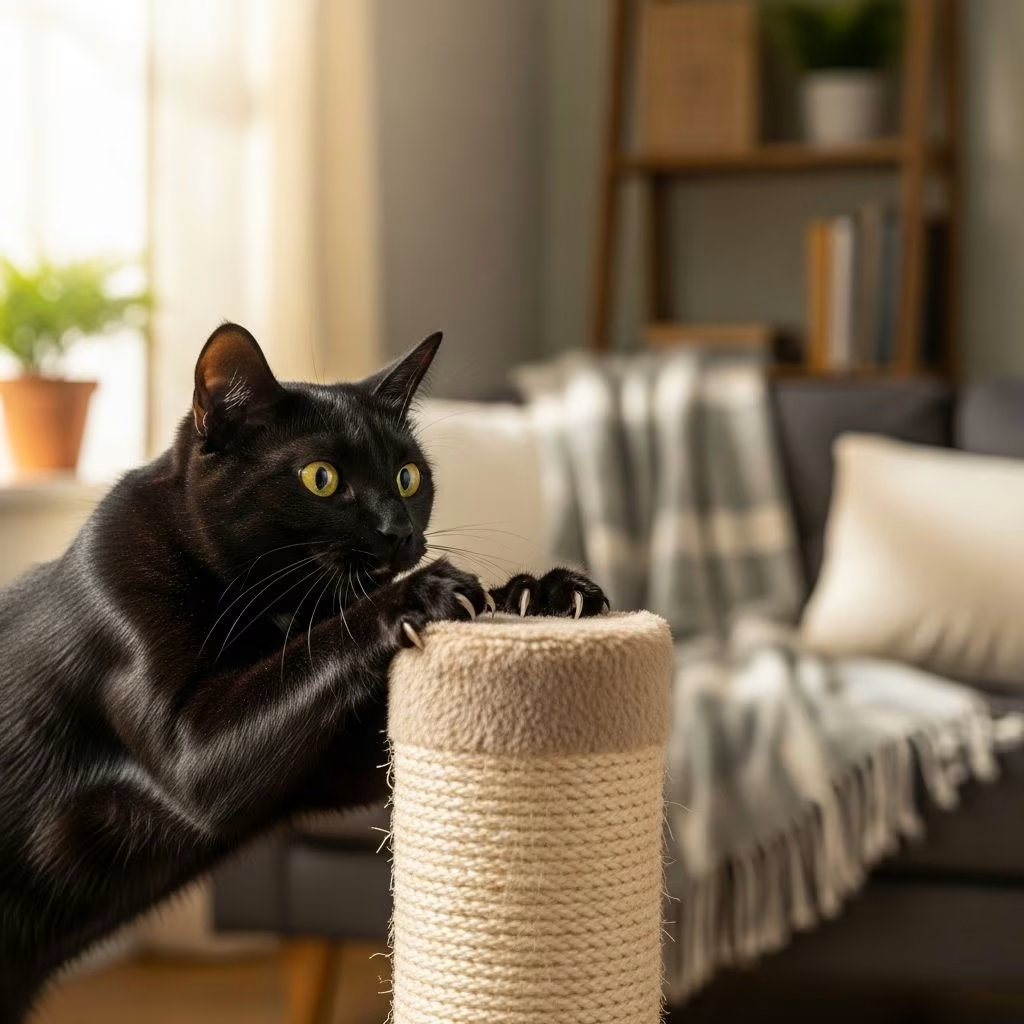
Scratching posts serve as indispensable tools for domestic cats, fulfilling innate behaviors that promote both physical vitality and emotional balance. These structures allow felines to express their instincts safely, preventing household damage while supporting overall health.
The Natural Drive Behind Feline Scratching
Cats scratch as a fundamental instinct rooted in their evolutionary history as predators and territorial animals. This behavior involves extending claws against a surface, which helps shed worn outer layers, akin to a natural manicure process that keeps nails sharp and functional. Without appropriate outlets, cats may redirect this urge to furniture or carpets, leading to frustration for owners and stress for the pet.
Indoor living amplifies the need for such provisions, as confined spaces limit natural scratching opportunities found in the wild, like tree bark. Providing a dedicated post redirects energy productively, enhancing the cat-human household harmony.
Physical Fitness Gains from Scratching
Engaging with a scratching post delivers a comprehensive workout for cats, targeting multiple muscle groups through stretching and clawing motions. This activity promotes flexibility, preventing joint stiffness particularly beneficial for older or less active indoor cats.
- Muscle Toning: Full-body extensions strengthen shoulders, back, and leg muscles, maintaining agility essential for jumping and climbing.
- Joint Health: Regular stretching lubricates joints, supporting mobility and reducing injury risks during play.
- Cardiovascular Boost: Vigorous sessions elevate heart rates, aiding circulation and overall endurance.
For overweight cats—a concern affecting around 40% of domestic felines—scratching contributes to calorie expenditure, combating obesity-related issues like diabetes.
Claw Care and Maintenance Essentials
One primary function of scratching is claw husbandry. Cats instinctively remove dead sheaths from their nails, revealing fresh, sharp tips underneath. This prevents overgrowth, which can lead to painful ingrown claws or snags on fabrics.
A sturdy post made from sisal rope or corrugated cardboard mimics preferred textures, encouraging consistent use. Owners should complement this with occasional trims using cat-specific clippers to ensure optimal length, but posts remain the cornerstone of daily care.
| Claw Issue | Role of Scratching Post | Benefits |
|---|---|---|
| Overgrowth | Sheds outer layers | Prevents pain and breakage |
| Dullness | Sharpens edges | Enhances grip and hunting simulation |
| Ingrown Nails | Regular filing action | Reduces infection risks |
Mental Health Advantages and Stress Reduction
Beyond physical perks, scratching triggers endorphin release, creating a sense of pleasure and calm. This biochemical response acts as a natural antidepressant, helping cats manage anxiety from environmental changes, multi-pet homes, or routine disruptions.
In stressful scenarios like new arrivals or relocations, a post becomes a self-soothing station. Cats often scratch post-nap or upon waking, integrating it into daily rituals that foster relaxation.
- Anxiety Alleviation: Redirects destructive impulses into positive action.
- Emotional Release: Endorphins promote contentment, improving sleep and appetite.
- Behavioral Stability: Reduces aggression or excessive vocalization linked to unmet needs.
Territorial Marking and Security
Scratching deposits pheromones from paw glands, alongside visible marks, signaling ownership and status to other cats. This visual and olfactory communication conveys health, reproductive readiness, and presence, vital in multi-cat households.
For solitary indoor cats, marking a post reinforces a safe haven, boosting confidence. Owners notice cats congregating around posts, using them as social hubs that minimize conflicts.
Protecting Your Home and Furniture
Strategic post placement deters damage to sofas, walls, and drapes. Position posts near favored scratching spots, such as entryways or resting areas, and use deterrents like double-sided tape on furniture temporarily.
Variety in posts—tall sisal for vertical scratchers, flat cardboard for horizontal preferences—caters to individual tastes. Positive reinforcement with treats or play post-use solidifies habits without punishment, which can exacerbate anxiety.
Selecting the Ideal Scratching Post
Not all posts are equal; choose based on your cat’s size, age, and style. Sturdy bases prevent tipping, while heights allowing full stretches (around 3 feet for adults) maximize benefits.
- Materials: Sisal, rope, or cardboard over carpet, which mimics forbidden rugs.
- Designs: Freestanding, wall-mounted, or integrated into cat trees for multi-use.
- For Kittens: Smaller, playful options to build early habits and ease home transitions.
Multiple posts in a home ensure accessibility, especially for multi-cat families, promoting peaceful coexistence.
Enhancing Cat-Human Relationships
Posts can strengthen bonds when owners interact during sessions—dangling toys or offering praise. Cats scratching nearby signal trust, associating owners with security.
In shared spaces, posts become communal points, encouraging gentle interactions among pets and with humans, fostering a harmonious environment.
Frequently Asked Questions (FAQs)
Why does my cat ignore the scratching post?
It may not match their texture preference or location. Experiment with varieties and place near favored spots, rewarding use.
Can declawing replace a scratching post?
No, declawing is invasive surgery with lifelong pain risks; posts provide natural, humane alternatives.
How often should I replace a scratching post?
When frayed or ignored, typically every 6-12 months, depending on usage and cat vigor.
Are scratching posts suitable for senior cats?
Yes, shorter, stable models support gentle stretching, maintaining mobility without strain.
What if my cat still scratches furniture?
Combine posts with deterrents, trims, and Feliway diffusers for pheromonal calm; consistency is key.
Long-Term Health Impacts of Proper Scratching
Consistent access to scratching posts correlates with fewer vet visits for claw issues, better weight control, and reduced stress manifestations like overgrooming. Indoor cats with enrichment live longer, healthier lives, underscoring posts as preventive wellness tools.
Integrating posts into routines not only saves furniture but elevates quality of life, proving their worth beyond mere convenience.
References
- Health Benefits of a Cat Scratching Post — Appletons (Chooks.co.nz). 2025-04 (Refreshed). https://chooks.co.nz/blogs/news/health-benefits-of-a-scratching-post
- 2025 Guide to Winning Your Cat’s Heart with a Scratching Post — The Ark Pet. 2025. https://thearkpet.com/blogs/all-you-want-to-know-of-cat/2025-guide-to-winning-your-cats-heart-with-a-scratching-post
- The Benefits of a Cat Scratching Post — Hartz. N/A. https://www.hartz.com/the-benefits-of-a-cat-scratching-post/
- Claw-some Benefits: Why Scratching is Key to Your Cat’s Health — Providence Veterinary Hospital. N/A. https://providencevetva.com/claw-some-benefits-why-scratching-is-key-to-your-cats-health/
- Scratch It Out: Why Scratching Is Important for Your Cat’s Health — Just Cats Clinic. N/A. https://justcatsclinic.com/scratch-it-out-why-scratching-is-important-for-your-cats-health/
- Does my cat need a scratching post? — Blue Cross. N/A. https://www.bluecross.org.uk/advice/cat/behaviour-and-training/does-my-cat-need-a-scratching-post
- Teaching Your Cat to Use a Scratching Post — MSPCA-Angell. N/A. https://www.mspca.org/pet_resources/scratching-post/



