Rat Care Guide: Complete Essentials For Healthy Pet Rats
Comprehensive guide to keeping pet rats healthy, happy, and thriving with expert housing, diet, and health tips.
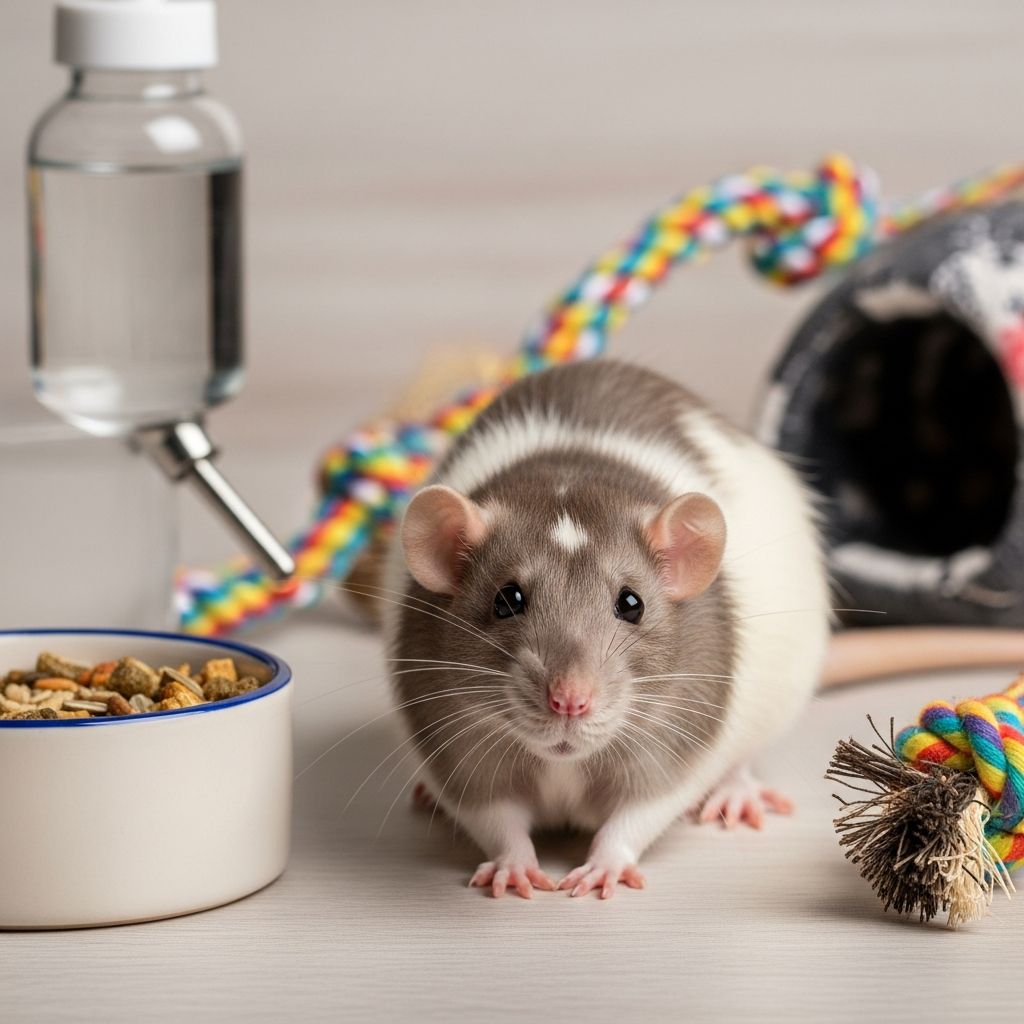
Pet rats make intelligent, affectionate companions that thrive with proper attention to their physical, mental, and social needs. These small mammals require spacious living environments, balanced diets, regular cleaning, and plenty of interaction to stay healthy and content. Understanding their unique requirements helps prevent common problems like respiratory issues or obesity, allowing owners to enjoy years of companionship with these lively pets.
Choosing the Perfect Living Space for Your Rats
Rats are highly active and curious, demanding ample room to explore, climb, and play. A minimum enclosure size for one rat should be at least 2 cubic feet, but pairs or groups need significantly more—ideally 4x2x2 feet or larger—to accommodate their energetic nature. Opt for multi-level wire cages with bar spacing no wider than 1/2 inch to prevent escapes, prioritizing solid floors to protect delicate feet from injury.
Key habitat features include:
- Multiple levels: Platforms, ramps, and shelves encourage climbing and jumping, mimicking their natural agility.
- Hiding spots: Nest boxes, tunnels, and hammocks provide secure retreats for rest and security.
- Chew toys: Untreated wood blocks and lava rocks help maintain ever-growing teeth.
- Exercise wheel: A large, solid-surface wheel (at least 12 inches in diameter) supports safe running without risking limb entrapment.
Maintain ambient temperatures between 65-75°F, avoiding drafts, direct sunlight, or extreme humidity, as rats are prone to respiratory sensitivities. Place the enclosure in a quiet yet socially active household area, away from kitchens or high-traffic zones that could introduce fumes or predators like birds.
Nutrition Fundamentals for Vibrant Rat Health
A well-formulated diet forms the cornerstone of rat wellness, preventing deficiencies and supporting longevity. Base 75-80% of meals on high-quality, extruded lab blocks or pellets designed specifically for rats, such as those from reputable brands emphasizing balanced nutrients without seeds or colorful dyes. These uniform shapes promote even nibbling and dental health.
| Food Type | Daily Portion | Benefits |
|---|---|---|
| Lab Blocks/Pellets | Unlimited access or measured daily (5-7g per 100g body weight) | Complete nutrition; prevents selective feeding |
| Fresh Veggies | 1-2 tsp per rat, every other day | Hydration boost; fiber for digestion |
| Fruits | Sparse treats, 1x/week | Natural sugars in moderation |
| Proteins | Occasional cooked egg or mealworms | Muscle maintenance |
Supplement with small amounts of leafy greens like romaine, kale, or carrots for variety and hydration, but limit fruits to avoid sugar spikes leading to obesity or dental decay. Provide constant fresh water via a chew-proof bottle, refreshed and cleaned daily to inhibit bacterial growth. Prohibit toxic items including chocolate, caffeine, onions, citrus, and raw beans, which can cause severe illness or death.
Daily and Weekly Maintenance Routines
Cleanliness directly impacts rat health, as soiled environments foster bacterial and respiratory pathogens. Implement spot-cleaning daily: remove uneaten food, feces, and wet bedding to maintain freshness. Perform full deep cleans weekly, following these steps:
- Relocate rats to a secure playpen or carrier.
- Discard all substrate and wipe surfaces.
- Disinfect with a 3% bleach solution (1:10 dilution) or pet-safe cleaner, ensuring 10-minute contact time, then rinse thoroughly.
- Dry completely before adding 1-2 inches of safe bedding like paper-based, hemp, or fleece liners—never cedar or pine shavings, which irritate respiratory tracts.
- Reintroduce sanitized toys and fresh supplies.
Use dust-free substrates to minimize airborne irritants, and wash accessories like hammocks in hot water weekly.
Grooming, Handling, and Socialization Essentials
Rats are fastidious self-groomers, rarely needing baths, but spot-clean with unscented wipes or a damp cloth for sticky messes. Brush seniors gently to remove debris from aging coats. Handling builds trust: start with short sessions, supporting the body fully from below, and always sit on the floor to prevent falls, which can cause fractures.
Social creatures by nature, rats must live in same-sex pairs or groups to avoid loneliness-induced stress. Daily out-of-cage time (1-2 hours supervised) in a rat-proofed playpen fosters bonding and prevents boredom. Offer enrichment like foraging puzzles, ropes, and tunnels to stimulate their problem-solving intelligence.
Recognizing and Preventing Health Concerns
Monitor for signs warranting veterinary attention: labored breathing, nasal/eye discharge, lethargy, tumors, or sudden weight loss. Common issues include mycoplasma respiratory infections (preventable via clean habitats) and mammary tumors in females (mitigated by spaying). Schedule annual check-ups, vaccinations if recommended, and nail trims as needed.
Genetic predispositions affect pet rats bred for fancy colors; choose reputable breeders prioritizing health over aesthetics. Quarantine new rats for 2-4 weeks to prevent disease spread.
Enrichment Strategies for Mental Stimulation
Beyond basics, rotate toys weekly to combat habituation. Create DIY foraging boxes with hidden treats in shredded paper, or build climbing mazes from safe PVC pipes. Training sessions using positive reinforcement—clickers and yogurt drops—teach tricks like spinning or shaking paws, enhancing the human-rat bond.
Frequently Asked Questions (FAQs)
Can rats live alone?
No, rats are highly social and suffer depression or aggression when solitary. Always house in compatible pairs or groups.
What bedding is safest for rats?
Paper pellets, hemp, or fleece; avoid aromatic woods that cause allergies.
How often should I handle my rat?
Daily for 15-30 minutes minimum, gradually increasing as trust builds.
Do pet rats smell bad?
Not if properly maintained; daily spot-cleaning and good ventilation eliminate odors.
What’s the average lifespan of a pet rat?
2-3 years with optimal care; some reach 4 years.
Shopping Essentials Checklist
- Large multi-level cage
- Lab block food
- Water bottle & sipper tube
- Safe bedding
- Hammocks & hides
- Chews & wheel
- Playpen for out-time
- Unscented wipes
References
- Rat Care Guide — PetSmart. 2024. https://www.petsmart.com/learning-center/small-pet-care/rat-care-guide
- Rat Care Sheet — PetMD. 2024. https://www.petmd.com/exotic/rat-care-sheet
- Pet Rat Care Sheet — Chewy. 2024. https://www.chewy.com/education/small-pet/rat-and-mouse/pet-rat-care-sheet
- Rat Care Guide — Little Critter Crew. 2024. https://littlecrittercrew.org/rat-care-guide/
- Caring for Your Pet Rat — Blue Cross. 2024. https://www.bluecross.org.uk/advice/rat/caring-for-your-rat
- Caring for your RAT — Oxbow Animal Health. 2024-03. https://oxbowanimalhealth.com/wp-content/uploads/2024/03/Rat-Care-Guide-Feb-2024.pdf
Similar Articles








Read full bio of Sneha Tete