

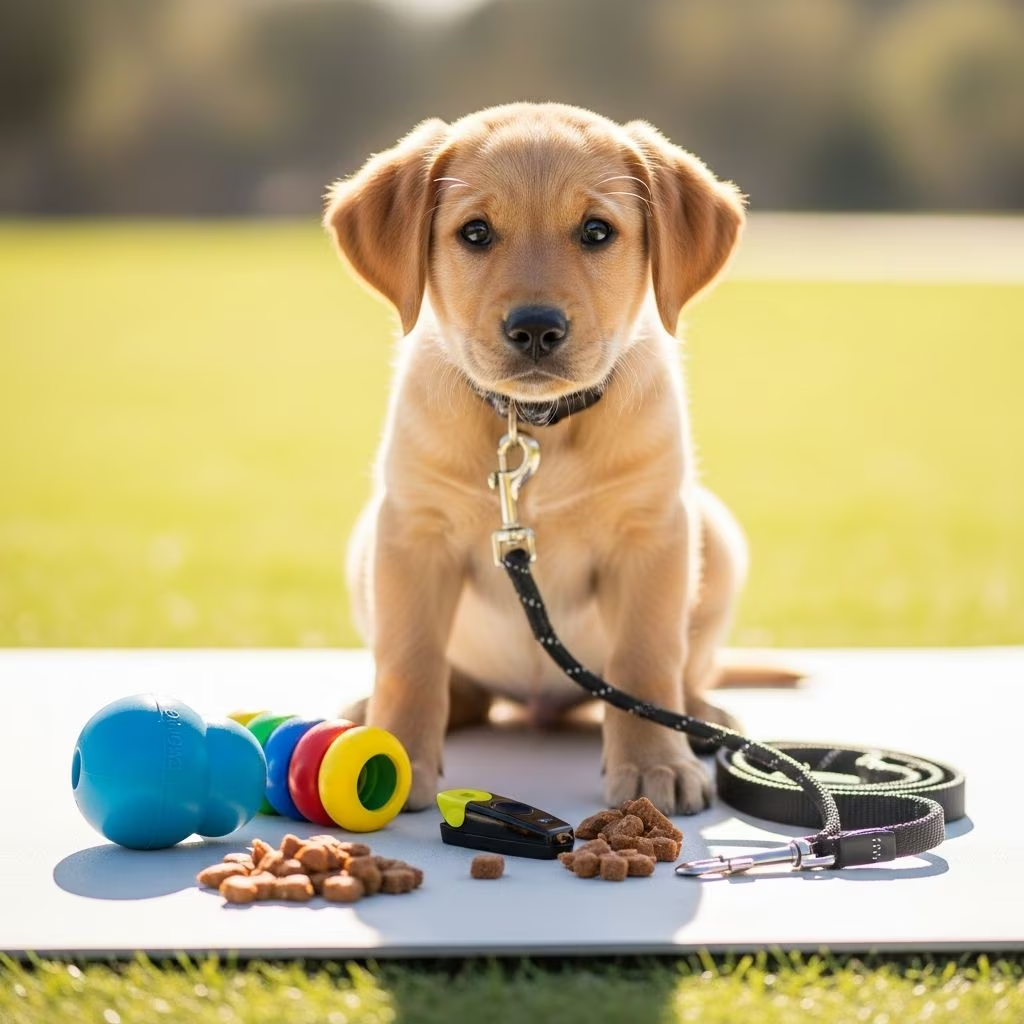
Bringing a puppy into your home is an exciting adventure, but it comes with the responsibility of teaching vital behaviors early on. These foundational skills not only promote safety but also foster a deep bond between you and your furry friend. By focusing on positive reinforcement and consistency, you can shape a well-mannered dog that thrives in various environments. This guide outlines key training areas, drawing from proven methods used by veterinarians and trainers.
Why Early Puppy Training Matters
Starting training as soon as your puppy arrives home sets the stage for lifelong success. Puppies have a critical socialization window between 3 and 14 weeks, during which they absorb experiences that shape their behavior. Delaying training can lead to ingrained bad habits that are harder to correct later. Positive reinforcement—rewarding desired actions with treats, praise, or play—builds trust and encourages repetition without fear. Consistency across family members ensures clear communication, preventing confusion.
Core Obedience Commands Every Puppy Needs
Basic commands form the backbone of obedience training. They keep your puppy safe in distracting situations and make daily life smoother. Here’s how to introduce them step by step.
1. Name Recognition: The Foundation of Attention
Teaching your puppy to respond to their name is the first priority. Say their name crisply; when they look at you, mark the moment with “yes” or a clicker and reward immediately. Practice in short sessions several times daily. This builds eye contact and refocuses them from distractions like other dogs or toys. Over time, phase out treats by spacing rewards, adding distance and distractions for reliability.
2. Sit: A Gateway to Calm Behavior
The sit command is simple yet versatile for greetings, meals, and impulse control. Hold a treat above their nose, moving it back until their bottom drops—then reward. Use the cue “sit” just once per attempt to sharpen listening skills. Short, frequent sessions (5-10 minutes) prevent frustration. Avoid repeating the word; if they don’t comply, lure gently without nagging.
3. Down: Promoting Relaxation
Once sit is solid, transition to down for a “default” calm state. From sit, lure the treat to the ground between their paws. Praise voluntary downs without cues to encourage self-settling. This incompatible behavior stops jumping or bolting, ideal for doorways or guests. Practice on comfy surfaces to associate it with rest.
Safety and Control Skills for Everyday Adventures
Beyond basics, skills like recall and leash manners prevent accidents and enhance outings.
4. Recall: Come When Called
Reliable recall can save lives in parks or streets. Start indoors: say their name and “come” enthusiastically, rewarding heavily. Use a long line outdoors for safety. Never call for unpleasant events like baths—keep it fun. Games like chase reward their approach. Gradually increase distance and distractions.
5. Leave It: Impulse Control Mastery
To stop puppies from grabbing hazards, teach “leave it” by placing a low-value item down, covering it if needed, and rewarding for ignoring it. Progress to higher temptations. This pairs with “touch”—nudging your hand—for focus redirection. Essential for drops on floors or meeting strangers.
6. Loose Leash Walking and Heel
Pulling strains walks. Teach loose leash by stopping when tension occurs, rewarding slack. For heel, lure beside you with treats, marking position. Practice in low-distraction areas, building to busy streets. Tiny steps and frequent pauses help puppies match your pace.
Handling and Socialization: Building Confidence
Puppies must tolerate touch and new experiences to ace vet visits and grooming.
7. Comfort with Handling
Gently touch paws, ears, mouth, and tail daily, pairing with treats. Simulate vet exams: check temperature, trim nails. Start slow to counter-condition fears. This ensures cooperation at groomers or with children.
8. Smart Socialization Strategies
Expose puppies to sounds, surfaces, people, and dogs positively. Enroll in puppy classes for controlled play. Avoid overwhelming scenarios; quality over quantity trumps the “100 people by 12 weeks” myth. Track exposures in a journal for balanced development.
Practical Life Skills for Home Harmony
These routines make cohabitation seamless.
9. Crate and Confinement Training
Introduce crates as cozy dens with meals inside. Use for short absences to build independence. Never as punishment—aim for voluntary entry. Vital for travel or recovery.
10. Wait and Release Protocols
“Wait” at doors, bowls, or crates teaches patience until released with “okay.” Prevents bolting or gulping food. Use for car exits or furniture access.
Training Tools and Techniques Table
| Tool/Technique | Purpose | Tips |
|---|---|---|
| High-value treats (pea-sized) | Reward motivation | Use sparingly; vary types |
| Clicker or marker word | Precise timing | Charge first: click-treat repeatedly |
| Long leash (20-30 ft) | Safe recall practice | Outdoors only; gentle tugs |
| Crate with bedding | Confinement comfort | Size for standing/turning |
Common Puppy Training Mistakes to Avoid
- Inconsistency: Everyone uses same cues.
- Overusing cues: Say once, then wait.
- Punishment: Sticks cause fear; rewards build trust.
- Long sessions: 5 minutes max, multiple times daily.
- Neglecting socialization: Balance with rest.
Positive Reinforcement Deep Dive
Scientifically proven, this method boosts behaviors via rewards. Luring (treat as magnet) teaches positions quickly, then fade it. Sessions end on successes to maintain enthusiasm. Track progress weekly to adjust.
Age-Appropriate Milestones
8-12 weeks: Name, sit, handling.
12-16 weeks: Recall, leash, crate.
4-6 months: Distraction-proof commands, socialization peaks.
FAQs
When should I start training my puppy?
Immediately upon arrival, focusing on positives.
What if my puppy doesn’t listen?
Check consistency, value of rewards; shorten sessions.
Are puppy classes worth it?
Yes, for socialization and pro guidance.
How do I stop biting?
Redirect to toys; timeout if persistent.
Potty training tips?
Frequent outs, crate aids, praise successes.
References
- Puppy Training 101: Top 8 Skills For Your New Puppy — SpotOn Fence. 2023. https://spotonfence.com/blogs/training-tips/basic-dog-training-for-your-christmas-puppy
- 5 Essential Skills to Teach Your New Puppy — The Canine Chasm. 2023. https://thecaninechasm.com/5-essential-skills-to-teach-your-new-puppy/
- Puppy Training Guide: How and When To Start — PetMD. 2024-05-15. https://www.petmd.com/dog/general-health/when-start-training-puppy
- How to Train a Dog: Tips and Tricks for Beginners — Nylabone. 2023. https://www.nylabone.com/dog101/dog-training-for-beginners
- Puppy Behavior and Training Basics — VCA Animal Hospitals. 2024. https://vcahospitals.com/know-your-pet/puppy-behavior-and-training-training-basics
- The Most Important Things to Teach Your Puppy — Koinonia Dogs. 2023. https://www.koinoniadogs.com/blog/most-important-things-to-teach-a-puppy



