

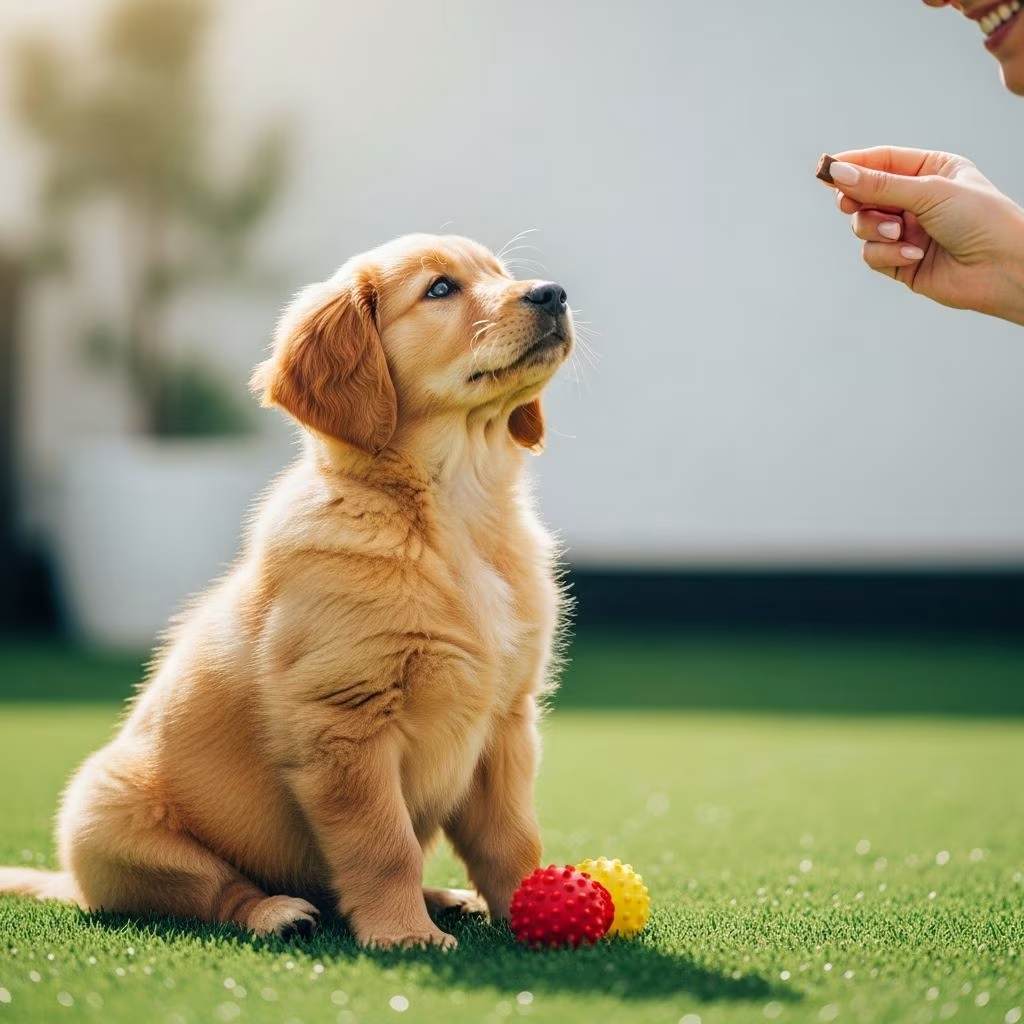
Bringing a puppy home marks the start of an exciting journey filled with learning and bonding. Effective training during these early weeks sets the stage for a well-mannered adult dog. Focus on positive reinforcement, consistency, and short daily sessions to make progress enjoyable for both you and your pup. This guide outlines critical skills to prioritize, drawing from established veterinary and training practices.
Why Early Training Matters for Puppies
Puppies are most receptive to learning between 8 weeks and 6 months old. During this period, their brains are wired for rapid skill acquisition, making it the ideal time to introduce commands and routines. Starting early prevents bad habits, enhances safety, and strengthens your relationship. According to veterinary guidelines, consistent training reduces behavioral issues by up to 80% in young dogs. Key principles include using high-value treats, calm praise, and repeating cues in varied environments.
Step 1: Name Recognition and Eye Contact
The foundation of all training begins with your puppy responding to their name. This skill grabs their attention instantly, essential for redirecting focus amid distractions. Begin in a quiet room: say their name in a cheerful tone. When they look at you, reward with a treat and gentle praise. Practice 5-10 times daily.
Progress to the “watch” or “eyes” cue by holding a treat near your face and saying the word as they make eye contact. This stops pulling on walks or mischief at home. Within days, puppies reliably shift focus, improving obedience in parks or busy streets.
- Tip: Use their name before every command to associate it with positive outcomes.
- Common Mistake: Repeating the name excessively; say it once and wait.
Step 2: Mastering the Sit Command
Sit is the gateway to advanced behaviors, teaching impulse control. Hold a treat above their nose, move it back over their head—their rear naturally lowers. Say “sit” as their bottom hits the floor, then reward immediately.
Fade the treat by using an empty hand signal, adding the verbal cue just before the motion. Practice before meals or doors to reinforce politeness. By 12 weeks, most puppies sit on cue without lures.
| Training Stage | Method | Duration |
|---|---|---|
| Week 1 | Lure with treat | 5-minute sessions |
| Week 2 | Hand signal only | 10 reps daily |
| Week 3+ | Verbal cue alone | In distractions |
Step 3: Lie Down for Calm Behavior
Teaching “down” promotes relaxation, countering zoomies or jumping. From a sit, lure with a treat from nose to floor in an L-shape, saying “down” as they follow. Praise calmly to avoid overexcitement.
Build duration by delaying rewards, fostering patience. This skill shines during greetings or vet visits, keeping puppies composed.
Step 4: Reliable Recall with Come Command
A solid recall can save lives in off-leash scenarios. Start indoors: say “come” happily, then back away enticingly. Reward lavishly when they approach. Never chase; instead, make yourself exciting.
Graduate to longer distances and mild distractions. Use a long line outdoors for safety. By 6 months, aim for 90% reliability.
- Practice in fun games like hide-and-seek.
- Avoid calling for negatives like baths.
Step 5: Stay for Impulse Control
Stay teaches waiting, vital for doors, streets, and dining. From sit or down, say “stay” with a flat palm signal, step back one pace. Return to reward if they hold.
Increase steps gradually, adding duration and distractions. Use a release word like “okay” to end. This prevents bolting and builds trust.
Step 6: Leave It for Safety
Prevent ingestion of hazards with “leave it.” Hold a low-value item, cover it when they nose in, say the cue, then reward from your other hand with something better.
Drop items on the floor next, rewarding ignores. Essential for drops, trash, or toxic foods.
Step 7: Polite Leash Walking and Heel
Loose-leash walking avoids pulls. Reward for staying at your side during walks, changing direction if they forge ahead. For heel, lure to your left side with treats, marking position.
Use a front-clip harness initially. Short, frequent walks build stamina without fatigue.
Step 8: Potty Training Routines
Housebreaking requires schedules: take puppies out every 1-2 hours, after meals, play, and naps. Praise outdoor success profusely.
Supervise indoors; crate when unsupervised. Accidents decrease with age as bladder control improves. Track patterns in a journal for consistency.
Step 9: Crate and Confinement Comfort
Crate training provides a safe den. Feed meals inside, add toys, and use for short absences. Never punish.
Build to hours gradually. This aids travel, alone time, and recovery from illness.
Step 10: Socialization and Bite Inhibition
Expose puppies safely to people, dogs, sounds, and surfaces before 16 weeks. Enroll in puppy classes for controlled play.
Yip and withdraw hands during nips to teach soft mouths. This prevents fear aggression later.
Training Timeline by Age
| Age | Focus Skills | Milestones |
|---|---|---|
| 8-12 Weeks | Name, Sit, Potty | Responds indoors |
| 3-6 Months | Come, Stay, Leash | Reliable in yard |
| 6-12 Months | Heel, Leave It, Social | Handles distractions |
Advanced Techniques: Clicker and Luring
Clicker training marks precise moments: click for good behavior, follow with treats. Luring uses treats as magnets for positions, fading quickly.
Combine for speed: lure sit, click, treat. Rotate methods to prevent reliance.
Common Challenges and Solutions
- Jumping: Turn away, reward four-on-floor.
- Chewing: Redirect to toys, use bitter sprays.
- Fear: Desensitize slowly with rewards.
Troubleshoot by shortening sessions or upping treat value. Seek professional help for persistent issues.
Tools and Supplies Checklist
- High-value treats (soft, pea-sized).
- Clicker and 6-ft leash.
- Crate sized for adult growth.
- Enzyme cleaner for accidents.
- Harness and long line.
FAQs
What is the first skill to teach a puppy?
Name recognition ensures they focus on you before other commands.
How long do puppy training sessions last?
5-15 minutes, 3-5 times daily to match short attention spans.
Can puppies learn at 8 weeks?
Yes, starting simple commands builds confidence immediately.
What if my puppy regresses?
Return to basics, check health, and maintain consistency.
Is punishment effective?
No; positive methods yield lasting results without fear.
References
- Puppy Training 101: Top 8 Skills For Your New Puppy — SpotOn Fence. 2023. https://spotonfence.com/blogs/training-tips/basic-dog-training-for-your-christmas-puppy
- Basic Puppy Training: When & How to Train Your Puppy — Purina US. 2024. https://www.purina.com/articles/dog/puppy/training/basic-puppy-training
- Puppy Obedience Training: How to Properly Train Your New Puppy — Diggs.pet. 2023. https://www.diggs.pet/blogs/posts/puppy-obedience-training
- Puppy Behavior and Training Basics — VCA Animal Hospitals. 2024-01-15. https://vcahospitals.com/know-your-pet/puppy-behavior-and-training-training-basics
- The Most Important Things to Teach Your Puppy — Koinonia Dogs. 2023. https://www.koinoniadogs.com/blog/most-important-things-to-teach-a-puppy
- The First 7 Things You NEED To Teach Your Puppy — YouTube (Nate Schoemer). 2023. https://www.youtube.com/watch?v=HTXajoc4a3k



