

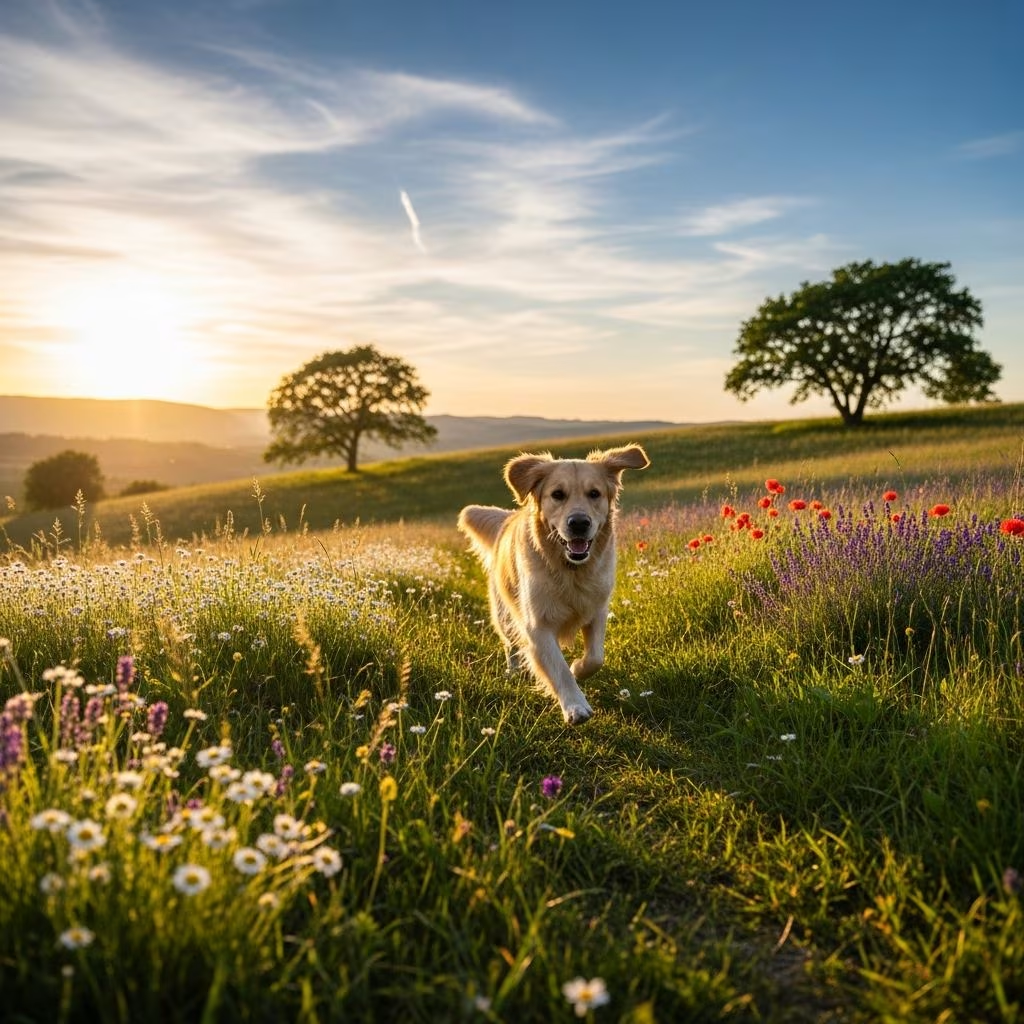
Regular exposure to the outdoors is fundamental for canine well-being, supporting everything from physical fitness to emotional balance. Dogs thrive on activities beyond the confines of home, gaining irreplaceable advantages that indoor living alone cannot provide.
Physical Fitness Through Natural Movement
Dogs require consistent physical activity to maintain optimal body weight and muscle tone. Outdoor pursuits like brisk walks, playful runs, or swims engage their bodies fully, burning calories and strengthening cardiovascular systems. Without this, many dogs face obesity risks, leading to joint strain, cardiac issues, and metabolic disorders like diabetes.
Activity needs vary by breed: high-energy working dogs demand longer, more intense sessions, while smaller companions may suffice with moderate outings. Aim for 30-60 minutes daily, split if necessary, to prevent weight gain and promote longevity. Studies link regular dog walking to better owner health too, creating a mutual fitness boost.
Mental Engagement from Environmental Exploration
The outdoor world bombards dogs with novel scents, sights, and textures, providing essential brain workouts. This stimulation wards off boredom, which often manifests as destructive chewing or excessive barking. Exploring parks or trails keeps minds sharp and behaviors balanced.
Unlike static indoor toys, nature offers unpredictable challenges that enhance problem-solving skills. Dogs that lack this often develop anxiety-driven habits, underscoring the need for daily ventures to foster cognitive health.
Building Social Confidence
Social interactions outdoors help dogs develop poise around peers and people. Park visits or trail encounters teach sharing, polite greetings, and conflict resolution, reducing future aggression or fear responses.
Puppies especially benefit from controlled exposures, building lifelong adaptability. Regular mingling strengthens pack bonds with owners and prevents isolation-induced issues. Dog parks, when designed well, amplify these gains through safe play.
Boosting Natural Defenses
Contact with soil and diverse microbes outdoors fortifies a dog’s microbiome, enhancing gut and skin health. This exposure builds resilience against infections, allergies, and sensitivities, much like in humans.
While not synthesizing vitamin D from sun like humans, dogs gain from natural light cycles aiding overall vitality. Balanced outdoor time supports immune tolerance without overexposure risks.
Regulating Rest and Recovery
Fresh air and daylight sync a dog’s internal clock, promoting deeper sleep. Post-outing fatigue from play leads to calmer evenings and restorative nights, improving mood and energy.
Disrupted rhythms from indoor-only routines can cause restlessness; nature restores balance, aiding holistic health.
Enhancing Digestive Health
Access to grass and plants outdoors provides natural fiber, aiding digestion and regularity. Indoor dogs miss this, potentially facing constipation or poor nutrient absorption.
Moderate grazing supports gut motility, complementing diet for smoother bodily functions.
Alleviating Everyday Tensions
Nature’s calming influence reduces canine stress hormones. Exercise, scents, and space dissipate anxiety, including separation fears, leading to happier demeanors.
Owners report mutual relaxation benefits, strengthening companionship.
Risks and Responsible Practices
While beneficial, unsupervised outdoor living poses dangers like theft, attacks, parasites, or weather extremes. Never substitute yard time for walks; use it supplementally.
| Risk | Precautions |
|---|---|
| Parasites (ticks, fleas) | Use preventatives; check fur post-outing |
| Heat stroke | Provide shade, water; avoid peak sun |
| Escapes or fights | Secure fencing; supervise interactions |
| Toxins (pesticides) | Choose clean areas; clean paws after |
Tailoring Outings to Your Dog
- Breed considerations: Herding breeds need vast spaces; brachycephalics shorter, cooler walks.
- Age adjustments: Seniors favor gentle strolls; puppies build stamina gradually.
- Health accommodations: Consult vets for joint or respiratory issues.
- Weather adaptations: Bundle in cold; hydrate in heat.
Integrate training during outings for dual enrichment, reinforcing commands amid distractions.
Alternatives for Limited Mobility
For urban or mobility-challenged owners, balcony sniffs, indoor treadmills, or pet strollers offer partial substitutes. Prioritize safe greenspaces when possible.
Seasonal Outdoor Strategies
Adapt to climates: winter gear prevents frostbite; summer mists combat heat. Year-round consistency yields compounding benefits.
Frequently Asked Questions
How often should I take my dog outside?
Daily walks of 30-60 minutes, plus yard play, suit most; adjust per breed and health.
Can apartment dogs get enough outdoor time?
Yes, via frequent short trips to nearby parks or urban greens.
Is yard time enough?
No, it lacks stimulation variety; walks provide essential novelty.
What if my dog hates walks?
Start slow with treats, high-value toys; build positive associations gradually.
Are there breeds that don’t need outdoors?
No breed thrives fully indoors; all benefit from nature’s inputs.
Long-Term Wellness Impact
Consistent outdoor routines correlate with extended lifespans, fewer vet visits, and vibrant personalities. Owners gain too: lower BMI, reduced chronic conditions. Invest in leashes, waste bags, and enthusiasm for shared adventures.
References
- 8 Reasons Why Dogs Need Consistent Outdoor Activity — Mountain Wild Pet. 2023. https://mountainwildpet.com/blogs/news/8-reasons-why-dogs-need-consistent-outdoor-activity
- Do Dogs Need to Go Outside? 7 Vet-Verified Reasons — Dogster. 2024. https://www.dogster.com/dog-health-care/do-dogs-need-to-go-outside
- The Importance of Nature for Human and Dog Health — My Pet Nutritionist. 2023. https://mypetnutritionist.com/post/the-importance-of-nature-for-human-and-dog-health/
- Dogs Are Good for Your Health — Mayo Clinic Health System. 2023-01-15. https://www.mayoclinichealthsystem.org/hometown-health/speaking-of-health/dogs-are-good-for-your-health
- Benefits and Conflicts: A Systematic Review of Dog Park Design — PMC (NCBI). 2022-09-12. https://pmc.ncbi.nlm.nih.gov/articles/PMC9455081/



