

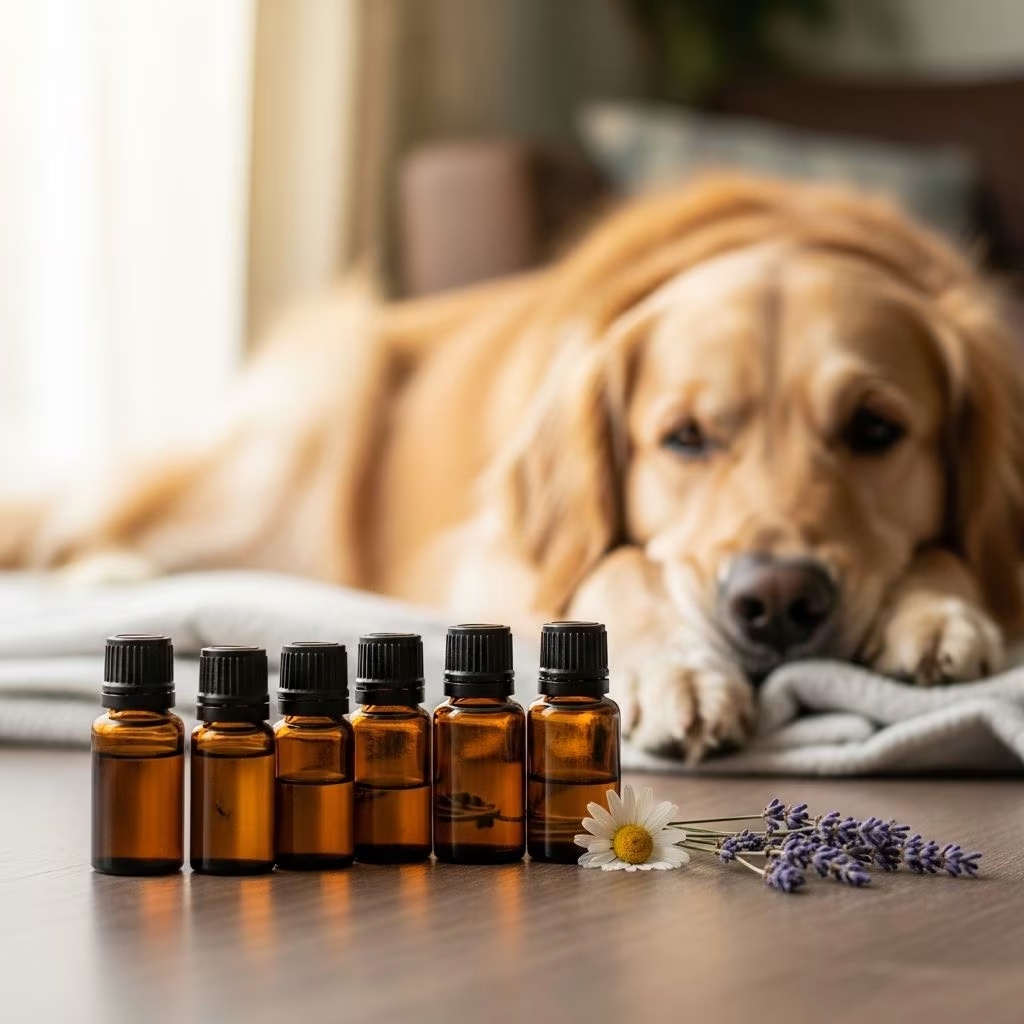
Essential oils offer potential benefits for dogs, such as calming anxiety or supporting skin health, but their potency demands caution. Many are safe when used correctly, while others pose serious risks like toxicity or organ damage.
Understanding Essential Oils in Canine Care
Derived from plants, essential oils contain concentrated compounds that interact with a dog’s physiology differently than in humans. Dogs process phenols, terpenes, and other chemicals less efficiently due to limited liver enzymes, heightening toxicity risks. Veterinary guidance is essential before use, as individual sensitivities vary by breed, age, and health status.
Benefits may include stress reduction, insect repulsion, and minor pain relief, but improper application can lead to ingestion via grooming or inhalation issues in sensitive respiratory systems.
Safe Essential Oils for Your Dog
Certain oils are generally well-tolerated by dogs when diluted and diffused properly. Always start with veterinary approval and monitor for reactions.
- Lavender: Promotes relaxation, eases anxiety during storms or separations, and soothes minor skin irritations.
- Chamomile: Calms hyperactivity, supports digestion, and reduces nervousness, ideal for bedtime routines.
- Frankincense: Supports immune function, aids wound healing, and provides grounding calm for senior dogs.
- Cedarwood: Repels fleas and ticks naturally while alleviating fear and promoting a sense of security.
- Copaiba: Offers anti-inflammatory effects for joint pain and arthritis, beneficial for active or aging pups.
- Ginger: In tiny diffused amounts, helps with nausea or motion sickness during travel.
These selections come from veterinary-informed sources emphasizing quality, therapeutic-grade oils free of synthetics.
Dangerous Essential Oils to Avoid Completely
Some oils are outright toxic to dogs, causing symptoms from skin burns to liver failure upon exposure, ingestion, or inhalation. Steer clear entirely.
| Toxic Oil | Primary Risks | Severity |
|---|---|---|
| Tea Tree (Melaleuca) | Liver damage, tremors, coordination loss, coma; 7 drops can poison | High |
| Cinnamon | Mouth burns, gastrointestinal upset, respiratory distress | High |
| Clove | Liver injury, central nervous system depression, seizures | High |
| Citrus (e.g., Lemon, Orange) | Vomiting, diarrhea, skin irritation, potential liver damage | Moderate-High |
| Wintergreen | Abdominal pain, seizures, organ failure due to methyl salicylate | High |
| Eucalyptus | Drowsiness, ataxia, respiratory issues, coma | High |
| Peppermint | Gastrointestinal irritation, breathing problems in high concentrations | Moderate |
| Ylang Ylang | Neurological symptoms, drooling, lethargy | Moderate |
This table highlights consensus from pet health experts; even ‘safe’ oils like peppermint turn risky undiluted.
Proper Methods for Using Essential Oils Around Dogs
Safe use prioritizes dilution, diffusion over direct contact, and environmental controls to prevent accidental exposure.
Dilution Guidelines
Never apply undiluted oils to skin, fur, or paws. Mix with a pet-safe carrier like fractionated coconut oil at ratios of 0.5-2% (1-4 drops per ounce carrier) for topical use, only under vet direction. For cleaning, dilute heavily (e.g., 1 drop per cup water) and ensure surfaces dry fully before pet access.
Diffusion Best Practices
- Use water-based diffusers in large, ventilated rooms.
- Diffuse 15-30 minutes max, followed by 1-2 hour breaks.
- Position away from bedding; allow dogs to exit the area freely.
- Start with minimal drops (1-2) of safe oils like lavender.
Avoid heat-based methods like potpourri, which concentrate vapors and irritate airways. Store oils locked away from curious noses.
Recognizing and Responding to Essential Oil Poisoning
Act fast if exposure occurs—symptoms appear within minutes to hours.
Common Signs:
- Drooling, vomiting, or diarrhea.
- Lethargy, weakness, or tremors.
- Difficulty breathing, coughing, or wheezing.
- Red, burned skin or paw pads.
- Ataxia, seizures, or collapse in severe cases.
Immediate steps: Remove the oil source, ventilate the area, wipe residue with soap-water (no oils), and contact a vet or poison hotline like ASPCA Animal Poison Control urgently. Do not induce vomiting without professional advice. Prognosis improves with swift intervention; delays risk organ failure.
Special Considerations for Different Dogs
Puppies, seniors, brachycephalic breeds (e.g., Bulldogs), and those with asthma or epilepsy face amplified risks. Small dogs metabolize oils slower, requiring even lower doses. Pregnant dogs or nursing mothers need extra caution—consult vets for tailored advice.
Holistic vets may recommend custom blends, but evidence stresses moderation over experimentation.
Alternatives to Essential Oils for Pet Wellness
For safer options:
- Herbal teas (chamomile) for calming baths.
- Pet-specific pheromone diffusers (e.g., Adaptil).
- Natural repellents like diatomaceous earth for fleas.
- Vet-prescribed supplements for joints or anxiety.
These reduce risks while mimicking benefits.
Frequently Asked Questions (FAQs)
Can I diffuse lavender oil if my dog has allergies?
Possibly, but test short sessions in ventilated spaces and watch for sneezing or eye irritation. Vet consultation first.
Is frankincense safe for daily use?
Limited sessions (2-3 times weekly) are best; daily risks buildup. Monitor behavior.
What if my dog licks diluted oil off its fur?
Small amounts of safe, diluted oils are usually tolerated, but prevent by avoiding collars/necks. Rinse if concerned.
Are there essential oils safe for both dogs and cats?
Cats are more sensitive; overlap like lavender and frankincense requires extreme dilution and separation during use.
How do I choose quality essential oils?
Seek third-party tested, pure oils without additives. Avoid cheap blends.
Expert Tips for Responsible Aromatherapy
Integrate oils into routines gradually: Introduce one at a time, note reactions in a journal. Combine with training or environmental changes for anxiety. Regular vet check-ins ensure ongoing safety, especially with health changes.
Quality over quantity defines success—prioritize pet comfort.
References
- Guide to Safely Using Essential Oils and Aromatherapy for Pets — Bhatt Vet Specialty. 2023. https://www.bhattvetspecialty.com/blog-veterinarian-care/guide-to-safely-using-essential-oils-and-aromatherapy-for-pets
- Are Essential Oils Safe for Dogs? 7 To Use and 12 to Avoid — PetMD. 2024. https://www.petmd.com/dog/general-health/are-essential-oils-safe-for-dogs
- Bad Essential Oils for Dogs: Urgent Signs and What to Do — GSVS. 2023. https://gsvs.org/blog/bad-essential-oils-for-dogs-emergency-signs/
- The Ultimate Guide to Safe Essential Oils for Dogs — Frangipani. 2024. https://frangipani-us.com/blog/the-ultimate-guide-to-safe-essential-oils-for-dogs
- Essential Oils: The Pet Friendly Guide — Direct Vet Services. 2023-02-01. https://directvetservices.com.au/2023/02/01/essential-oils-the-pet-friendly-guide/
- Essential Oils: A Comprehensive Guide for Cat and Dog Parents — Jayney Goddard. 2023. https://www.jayneygoddard.org/essential-oils-a-comprehensive-guide-for-cat-and-dog-parents/
- Essential Oils for Pets — American College of Healthcare Sciences. 2024. https://achs.edu/blog/essential-oils-for-pets/



