

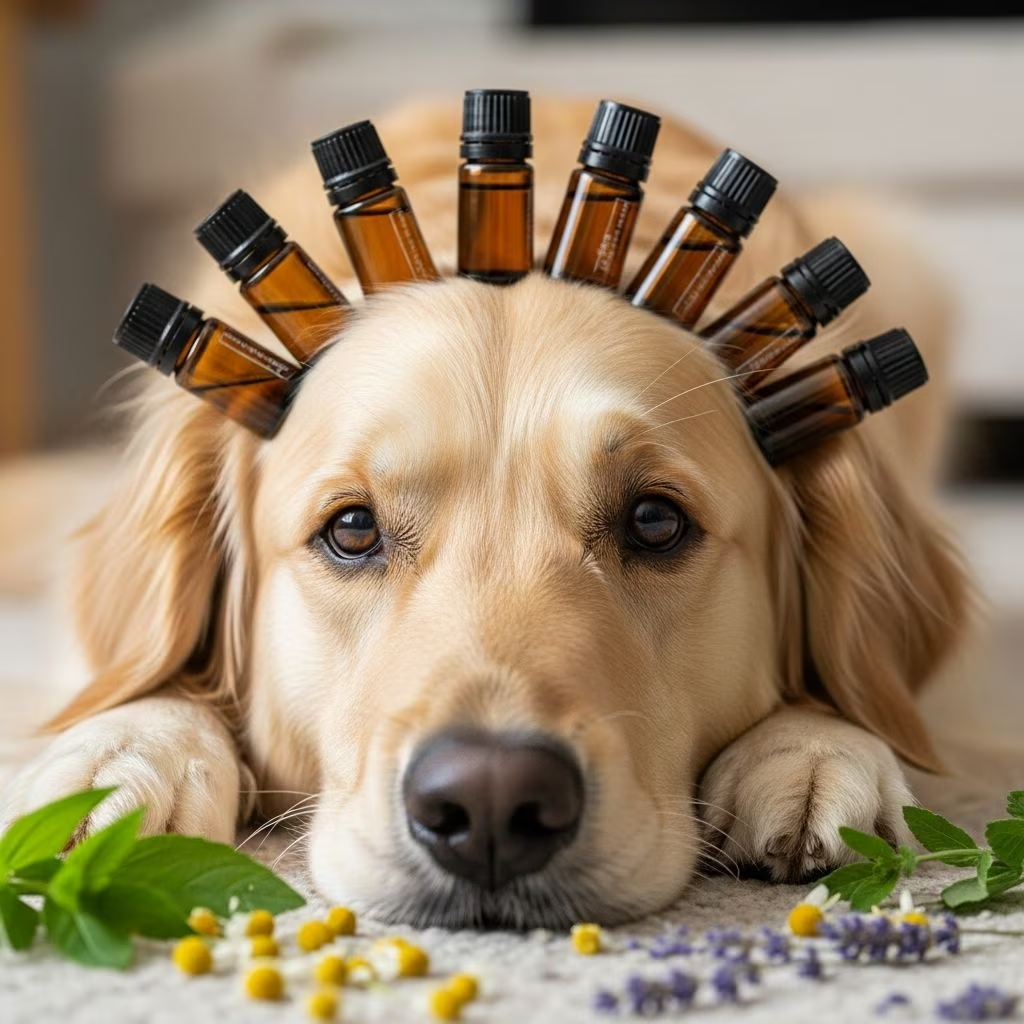
Essential oils have surged in popularity for their natural therapeutic benefits, from aromatherapy to household cleaning. However, when it comes to dogs, not all oils are created equal. While some can provide calming effects or minor health support when used correctly, others pose serious risks including toxicity, skin irritation, and respiratory issues. This comprehensive guide covers which essential oils are safe for dogs, those to strictly avoid, safe application methods, symptoms of exposure, and expert veterinary advice to keep your furry companion healthy.
Are Essential Oils Safe for Dogs?
Essential oils are highly concentrated plant extracts used in diffusers, topical applications, and cleaners. Many pet owners assume ‘natural’ means safe, but dogs’ superior sense of smell—up to 100,000 times more sensitive than humans—makes them vulnerable to even diluted oils. While dogs are more tolerant than cats, improper use can lead to ingestion, inhalation, or skin absorption issues. Veterinary experts emphasize consulting a vet before use, as individual sensitivities vary by breed, age, size, and health conditions like liver disease. Research shows some oils combat bacteria in veterinary settings, but toxicity studies highlight risks from phenols and terpenes. Always prioritize pet-safe products over DIY mixtures.
What Essential Oils Are Safe for Dogs?
A select few essential oils are generally considered safer for dogs when heavily diluted and used indirectly, such as in diffusers in well-ventilated areas. These should never be applied directly to skin or ingested without veterinary guidance. Here’s a breakdown:
- Lavender: Known for calming anxiety and aiding sleep. Diffuse sparingly or dilute 1-2 drops in 1 oz carrier oil for massages (vet-approved only). Avoid if your dog shows respiratory distress.
- Chamomile: Soothes skin irritations and digestion. Use in diluted sprays for minor itches, but test for allergies first.
- Myrrh: Supports oral health and anti-inflammatory effects. Rare use in vet-formulated dental products.
- Ginger: Helps with nausea during travel. Dilute heavily for diffuser use around motion-sick dogs.
- Rosemary: Antioxidant properties for coat health. Use in shampoos, not pure form.
- Bergamot: Mood booster, but use FCF (furocoumarin-free) to avoid photosensitivity.
- Frankincense: Immune support and anti-inflammatory. Popular in pet blends for joint issues when diluted.
These ‘safer’ oils still require extreme caution. Puppies, seniors, and small breeds metabolize them slower, increasing risks. Studies on veterinary antimicrobial use confirm efficacy but stress species-specific testing.
What Essential Oils Are Toxic to Dogs?
Many essential oils are outright dangerous for dogs due to compounds causing liver damage, CNS depression, or burns. Avoid these completely:
| Toxic Oil | Effects on Dogs | Source |
|---|---|---|
| Tea Tree (Melaleuca) | Skin burns, vomiting, coma (7 drops can poison) | Journal of Veterinary Emergency |
| Cinnamon | Mouth irritation, liver toxicity, GI upset | PetMD |
| Clove | Blood thinning, seizures | AKC |
| Eucalyptus | Respiratory failure, ataxia | GSVS |
| Pennyroyal | Liver/kidney failure | Animal Care Clinic |
| Citrus (Lemon, Orange) | Vomiting, diarrhea, dermatitis | PetMD |
| Peppermint | GI spasms, aspiration pneumonia | AKC |
| Pine | Liver damage, tremors | Independence Vet |
| Wintergreen | Nerve damage, metabolic acidosis | GSVS |
| Ylang Ylang | Depression, low body temp | AKC |
| Hyssop | Seizures, neurotoxicity | PetMD |
These oils can cause rapid poisoning via skin, inhalation, or ingestion. Even diffused, they overwhelm dogs’ systems.
How to Use Essential Oils Safely Around Dogs
Safe use prioritizes dilution, ventilation, and supervision:
- Dilute Properly: Mix 1 drop safe oil in 100 drops carrier (coconut/jojoba). Never apply undiluted.
- Diffuse Wisely: Use pet-safe diffusers for 30 mins max, in large ventilated rooms. Remove dog if sneezing occurs.
- Topical Use: Only vet-approved blends on collar/behind ears. Avoid paws/muzzle.
- Cleaning: Apply when dog is out; wipe/rinse surfaces before return.
- Storage: Lock oils away from curious noses.
- Observe Reactions: Watch for pawing nose, drooling, or lethargy. Stop immediately.
For therapeutic use, opt for commercial pet products with safe dilutions. Aromatherapy in vets shows promise against bacteria but requires ‘aromatograms’ for pathogens. Puppies and brachycephalic breeds (e.g., Bulldogs) need extra care.
Safe vs. Toxic Essential Oils Comparison
| Safe Oils (Diluted Only) | Toxic Oils (Avoid) |
|---|---|
| Lavender, Chamomile, Frankincense | Tea Tree, Cinnamon, Eucalyptus |
| Benefits: Calming, anti-inflammatory | Risks: Poisoning, organ failure |
| Use: Diffuse sparingly | Use: Never around pets |
Signs of Essential Oil Poisoning in Dogs
Act fast if exposure suspected:
- Mild: Drooling, vomiting, paw licking, coughing.
- Moderate: Ataxia, tremors, diarrhea, low heart rate.
- Severe: Seizures, coma, respiratory distress, collapse.
Remove source, rinse affected areas with mild soap/water. Call vet or ASPCA Poison Control (888-426-4435) immediately. IV fluids/antidotes may be needed.
Benefits of Safe Essential Oils for Dogs
When used correctly, safe oils offer:
- Anxiety relief (lavender during thunderstorms).
- Skin soothing (chamomile for hot spots).
- Joint support (frankincense in blends).
- Antimicrobial aid against infections.
Veterinary studies support in vitro antibacterial activity, but in vivo use needs more research.
Frequently Asked Questions (FAQs)
What essential oils can I diffuse around my dog?
Safe options include lavender and chamomile, heavily diluted in a well-ventilated space for short sessions. Monitor closely.
Can I put essential oils on my dog’s collar?
Only vet-approved, diluted blends. Avoid direct contact to prevent licking and irritation.
What if my dog licks essential oil?
Rinse mouth, contact vet. Even safe oils cause GI upset if ingested concentrated.
Are essential oils safe for puppies?
No—puppies metabolize poorly. Wait until adulthood and use minimal amounts.
Do diffusers harm dogs?
Not if using safe oils briefly in ventilated areas. Ultrasonic diffusers are best; avoid heat-based.
References
- Are Essential Oils Safe for Dogs? 7 To Use and 12 to Avoid — PetMD. 2023. https://www.petmd.com/dog/general-health/are-essential-oils-safe-for-dogs
- Essential Oils — Animal Care Clinic (Alison Barulich, DVM). 2023. https://www.animalcareclinicbranson.com/insights/essential-oils/
- Are Essential Oils Safe for Dogs? — American Kennel Club (AKC). 2023-10-12. https://www.akc.org/expert-advice/health/are-essential-oils-safe-for-dogs/
- Bad Essential Oils for Dogs: Urgent Signs and What to Do — GSVS. 2024. https://gsvs.org/blog/bad-essential-oils-for-dogs-emergency-signs/
- The Hidden Dangers Of Using Essential Oils On Your Pet — Cypress Animal Clinic. 2023. https://www.cypressanimalclinic.net/dangers-using-essential-oils-pet/
- The Hidden Dangers of Essential Oils for Pets You Should Know — Independence Veterinary Clinic. 2023. https://independenceveterinaryclinic.com/the-hidden-dangers-to-your-pets-from-essential-oils/
- Use of Essential Oils in Veterinary Medicine to Combat Bacterial and Fungal Pathogens — PMC (NCBI). 2020-12-04. https://pmc.ncbi.nlm.nih.gov/articles/PMC7712454/



