

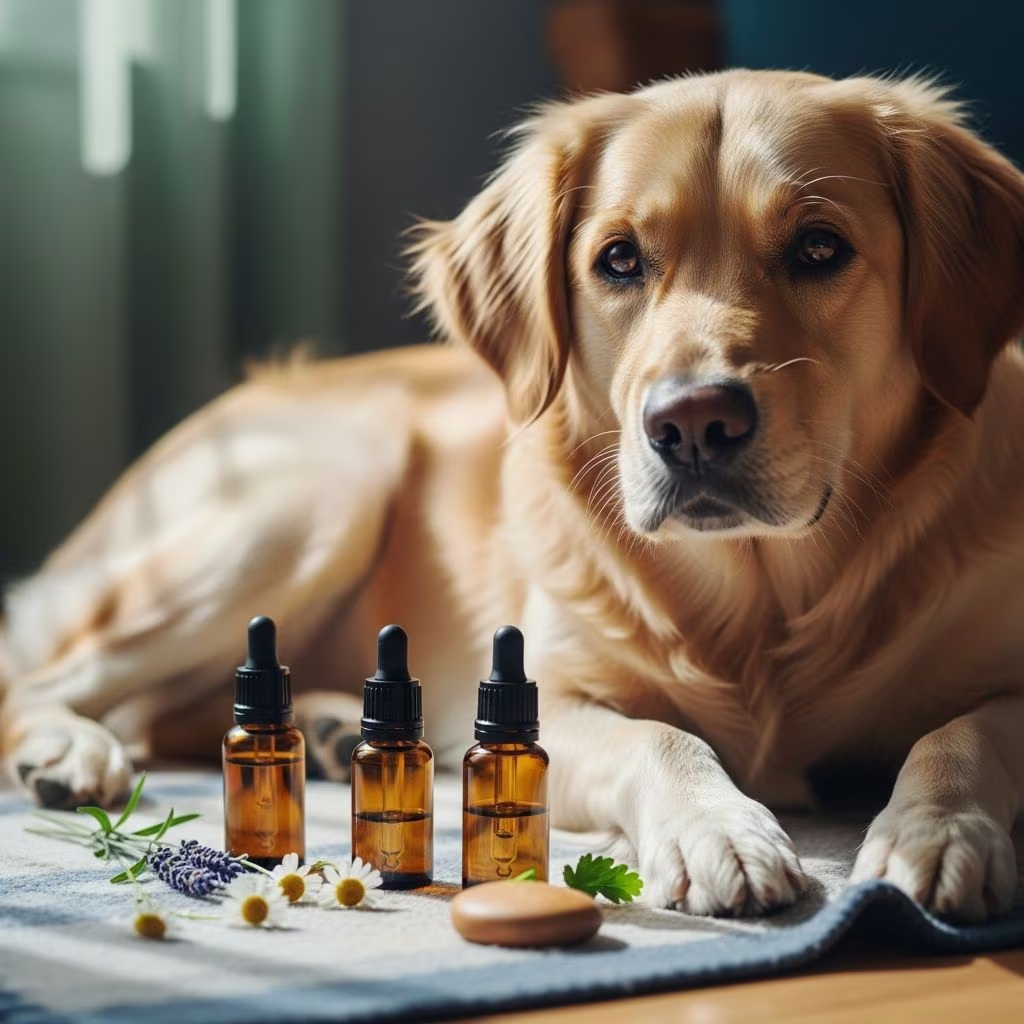
Essential oils offer potential wellness benefits for dogs when used correctly, but many pose serious risks due to their high concentration and a dog’s sensitive physiology. Veterinary experts emphasize dilution, limited exposure, and professional consultation to prevent toxicity from inhalation, skin contact, or ingestion.
Understanding Essential Oils and Canine Sensitivity
Dogs possess an acute sense of smell—up to 100,000 times more powerful than humans—which amplifies the impact of potent essential oils. These plant-derived extracts contain volatile compounds that can enter the bloodstream via inhalation, absorption through skin or paws, or accidental ingestion from licking treated surfaces. While some oils may support relaxation or skin health, undiluted or improper use leads to respiratory distress, dermatitis, or organ damage.
Holistic veterinarians note preliminary evidence for benefits like anxiety reduction or flea deterrence, but large-scale studies remain limited. Always prioritize products formulated for pets over human-grade oils.
Safe Essential Oils for Dogs: Top Choices
A select group of essential oils shows relative safety for dogs when heavily diluted and used sparingly. Consult a veterinarian before introducing any, as individual tolerances vary by breed, age, and health status.
- Lavender: Promotes calmness; dilute 1-2 drops in 1 oz carrier oil for diffuser use.
- Chamomile: Soothes skin irritations and mild anxiety; ideal for diluted topical sprays.
- Frankincense: Supports immune function; use in low-concentration diffusers.
- Ginger: Aids digestion; add minimally to carriers for massage blends.
- Rosemary: Enhances circulation; suitable for diluted environmental diffusion.
- Bergamot: Uplifts mood; ensure pet-safe, non-phototoxic variants.
These oils are not for direct application. Start with inhalation in well-ventilated spaces, monitoring for signs of discomfort.
Dangerous Essential Oils: Oils to Strictly Avoid
Certain essential oils are outright toxic to dogs, causing severe reactions even in small amounts. Toxicity arises from phenols, ketones, or monoterpenes that overwhelm canine livers, which metabolize these compounds inefficiently.
| Toxic Oil | Primary Risks | Exposure Routes |
|---|---|---|
| Cinnamon | Liver damage, mouth ulcers | Inhalation, ingestion |
| Clove | Bleeding disorders, seizures | Skin contact, diffusion |
| Tea Tree (Melaleuca) | Depression, hypothermia | Topical, oral |
| Pennyroyal | Liver failure | Ingestion |
| Citrus (e.g., Lemon, Orange undiluted) | Skin burns, GI upset | Contact, licking |
| Peppermint | Respiratory spasms | Inhalation |
| Pine/Wintergreen | Organ toxicity | Absorption |
| Ylang Ylang | Low blood pressure | Diffusion |
Avoid these entirely around dogs. Even “natural” labels do not guarantee safety.
Proper Methods for Using Essential Oils Around Dogs
Safe application hinges on dilution, minimal dosage, and controlled exposure. Never apply undiluted oils to a dog’s skin, as this invites burns or poisoning via grooming.
Inhalation via Diffusers
Use ultrasonic diffusers in dog-free rooms for 15-30 minutes, ensuring ventilation. Add 1-3 drops of safe oil to water. Allow pets to exit if bothered.
Topical Dilution Guidelines
Mix 0.1-1% concentration: 1 drop essential oil per 1 oz carrier (coconut or jojoba oil). Test on small skin patch first. Avoid face, eyes, and mucous membranes.
Environmental Cleaning
Dilute heavily for household sprays; dry completely before pet access. Use only pet-safe oils.
Veterinarians recommend starting with commercial pet products containing pre-diluted oils for reliability.
Recognizing and Responding to Essential Oil Toxicity
Dogs exposed to harmful oils exhibit rapid symptoms due to their size and metabolism. Seek immediate veterinary care.
- Mild Signs: Drooling, paw licking, mild coughing.
- Severe Signs: Vomiting, diarrhea, tremors, ataxia (wobbliness), lethargy, seizures, coma.
- Respiratory: Wheezing, rapid breathing from diffusers.
- Neurological: Behavior changes, depression.
Treatment involves decontamination (bathing, activated charcoal), IV fluids, and monitoring. Prognosis improves with early intervention.
Potential Benefits Backed by Preliminary Research
While not a cure-all, safe oils may aid specific issues:
- Anxiety: Lavender diffusion reduces stress in shelter dogs (small studies).
- Skin Health: Chamomile eases itchiness when diluted.
- Flea/Tick Repellent: Cedarwood, lemongrass show promise; dilute for collars/sprays. Turmeric outperforms some in lab tests.
- Digestion: Ginger supports nausea relief.
These are adjuncts, not replacements for vet-prescribed treatments.
Veterinary and Expert Recommendations
The ASPCA and AKC advise against direct application and urge storage in secure locations. Dogs with asthma, epilepsy, or puppies/seniors face heightened risks.
- Consult vets familiar with integrative medicine.
- Avoid multi-pet homes with cats (more sensitive).
- Opt for third-party tested oils.
Common Myths About Essential Oils and Pets
Myth 1: All natural oils are safe. Reality: Concentration makes them potent toxins.
Myth 2: Diffusers are harmless. Reality: Prolonged exposure irritates airways.
Myth 3: Topical use cures fleas. Reality: Ineffective and risky vs. vet-approved preventives.
FAQs
Can I diffuse lavender around my dog?
Yes, briefly in ventilated areas with dilution, but monitor closely.
What if my dog licks essential oil off my skin?
Rinse immediately and watch for vomiting or lethargy; call vet if persists.
Are there dog-specific essential oil products?
Yes, seek vet-formulated shampoos or sprays with safe dilutions.
How much dilution is safe for topical use?
0.5% max for adults: 3 drops per oz carrier. Less for small dogs.
Do essential oils replace flea medications?
No, they offer mild repellency but not full protection.
Best Practices Summary Table
| Usage Type | Do’s | Don’ts |
|---|---|---|
| Diffusion | Short sessions, ventilated, safe oils | Enclosed spaces, toxic oils |
| Topical | Dilute heavily, carrier oil, patch test | Undiluted, face/genitals |
| Storage | Locked cabinets | Accessible shelves |
| Cleaning | Dry surfaces fully | Wet floors with oils |
References
- Are Essential Oils Safe for Dogs? 7 To Use and 12 to Avoid — PetMD. 2023. https://www.petmd.com/dog/general-health/are-essential-oils-safe-for-dogs
- Risks of Essential Oils for Dogs — WebMD. 2023. https://www.webmd.com/pets/dogs/risks-of-essential-oils-for-dogs
- Are Essential Oils Safe for Dogs? — American Kennel Club (AKC). 2023. https://www.akc.org/expert-advice/health/are-essential-oils-safe-for-dogs/
- Sniffing Out the Truth: Essential Oil Safety for Pets — Acton Veterinary Group. 2023. https://www.actonvetgroup.com/services/blog/sniffing-out-truth-essential-oil-safety-pets
- The Essentials of Essential Oils Around Pets — ASPCA. 2023. https://www.aspca.org/news/essentials-essential-oils-around-pets
- Essential Oils for Pets — American College of Healthcare Sciences. 2023. https://achs.edu/blog/essential-oils-for-pets/



