

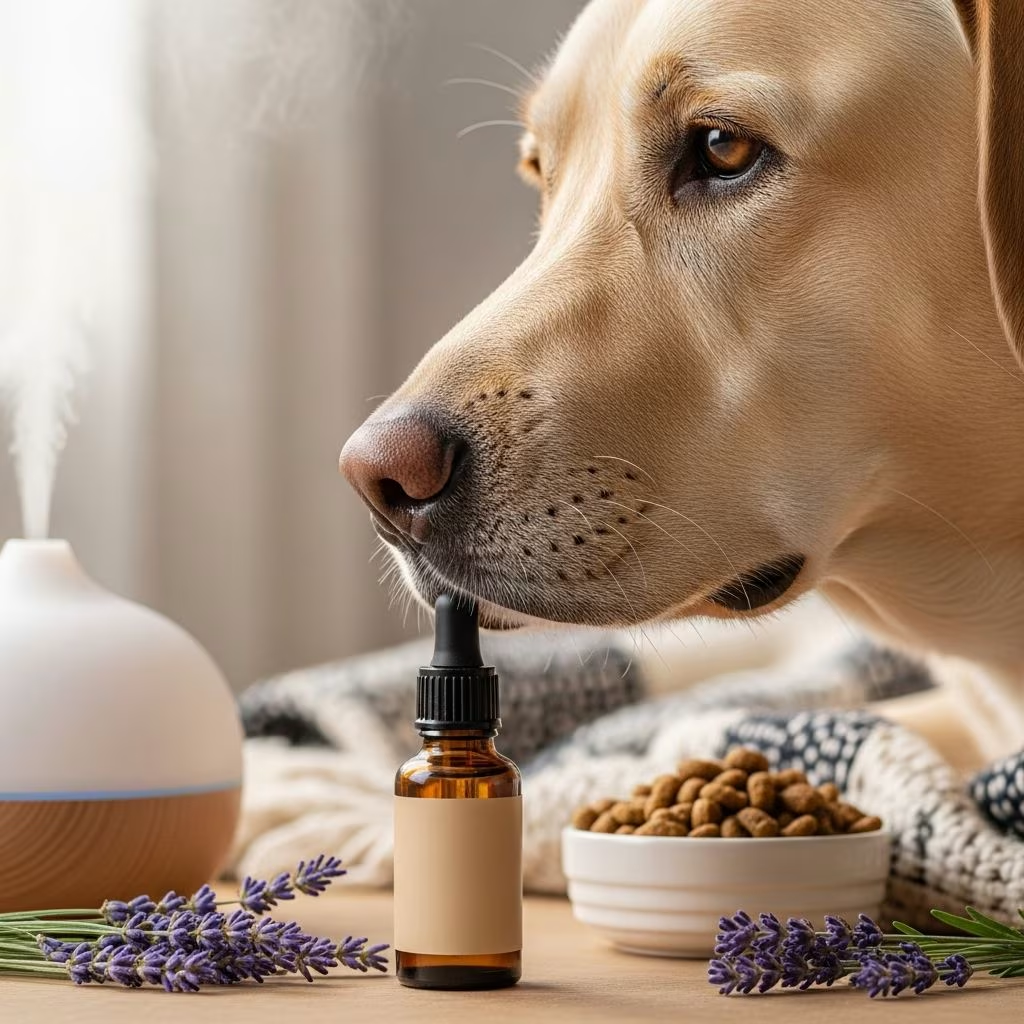
Essential oils offer potential wellness benefits for dogs when used correctly, but improper application can lead to serious health issues due to their high potency and dogs’ sensitive physiology.
Understanding Essential Oils and Canine Sensitivity
Dogs possess a far more acute sense of smell than humans, making them particularly responsive to aromas from essential oils. This heightened sensitivity means even diffused oils in the home can impact their respiratory system or behavior. Their livers metabolize certain compounds differently, increasing vulnerability to toxicity, especially in puppies, seniors, or those with liver conditions.
Essential oils are concentrated plant extracts used in aromatherapy for calming, skin support, or pest repulsion. For dogs, benefits may include stress reduction or mild anti-inflammatory effects, but only specific oils in proper dilutions are suitable.
Safe Essential Oils for Your Dog
A limited selection of essential oils is generally considered safer for dogs when heavily diluted and used under veterinary guidance. These include:
- Lavender: Promotes relaxation and may soothe minor skin irritations.
- Chamomile: Supports digestion and calms anxiety.
- Frankincense: Aids in reducing inflammation and supporting immune function.
- Ginger: Helps with nausea or motion sickness in low doses.
- Rosemary: Can enhance circulation, but use sparingly.
Always start with the lowest effective concentration, typically 0.1-1% dilution in a carrier oil like coconut or jojoba.
Dangerous Essential Oils to Avoid Completely
Many essential oils pose significant risks to dogs through ingestion, skin contact, inhalation, or diffusion. These should never be used around dogs:
| Toxic Oil | Primary Risks | Source |
|---|---|---|
| Tea Tree (Melaleuca) | CNS depression, tremors, drooling; toxic in as few as 7-8 drops. | |
| Peppermint | Skin irritation, GI upset, respiratory issues. | |
| Cinnamon | Skin burns, liver damage, behavior changes. | |
| Citrus (e.g., Orange, Lemon) | Phototoxicity, vomiting, lethargy. | |
| Pennyroyal | Severe liver failure. | |
| Pine, Wintergreen, Ylang Ylang | Respiratory distress, tremors. |
Even ‘safer’ oils like lavender can cause upset if undiluted and licked off the fur.
Proper Dilution and Application Methods
Never apply undiluted essential oils to a dog’s skin, as this causes irritation or absorption overload. Recommended protocols:
- Topical: Dilute 1 drop essential oil in 1 teaspoon carrier oil for small dogs; up to 3 drops for large breeds. Test on a small area first.
- Diffusion: Use pet-safe diffusers in well-ventilated areas, limiting sessions to 15-30 minutes. Monitor for signs of distress.
- Hydrosols: Milder water-based alternatives from steam distillation, safer for sprays or mists.
- Ingestion: Avoid unless prescribed by a vet; never DIY.
Consult a veterinarian or certified animal aromatherapist before use, especially for dogs with health issues.
Recognizing and Responding to Essential Oil Poisoning
Exposure symptoms appear quickly and vary by oil and amount:
- Lethargy or weakness
- Vomiting, diarrhea, drooling
- Tremors, wobbliness, or seizures
- Difficulty breathing or coughing
- Behavior changes like depression
If suspected, rinse affected areas with mild soap and water, ensure fresh air, and contact a vet or pet poison hotline immediately (e.g., ASPCA at 888-426-4435). Do not induce vomiting without professional advice.
Potential Benefits Backed by Veterinary Insights
When used correctly, safe oils may:
- Reduce Anxiety: Lavender diffusion during thunderstorms.
- Support Skin Health: Chamomile for itch relief in diluted form.
- Repel Pests: Cedarwood or eucalyptus (diluted externally only) for ticks, though vet-approved preventives are preferable.
Evidence is largely anecdotal; rigorous studies are limited, so prioritize veterinary-recommended products.
Household Safety Tips for Multi-Pet Homes
Secure oils out of reach to prevent knocks or spills. Avoid liquid potpourri, which is highly concentrated and hazardous if walked through or ingested. Birds and cats face even higher risks due to metabolic differences—keep dogs separated during use.
For cleaning, opt for pet-safe alternatives or heavily diluted solutions rinsed thoroughly.
Alternatives to Essential Oils for Dog Wellness
Consider these safer options:
- Veterinary-prescribed supplements or medications.
- Herbal remedies like calendula for skin.
- Behavioral training or pheromone diffusers (e.g., Adaptil).
- Professional grooming products formulated for pets.
Integrate with diet, exercise, and routine vet checkups for holistic care.
FAQs on Essential Oils and Dogs
Can I diffuse essential oils with my dog in the room?
Only pet-safe oils like lavender, briefly in ventilated spaces. Watch for breathing changes.
Are there essential oils safe for puppies?
Minimal use; puppies’ livers are immature. Consult a vet first.
What if my dog licks diluted oil off its fur?
Mild GI upset possible. Prevent by applying to collar or inaccessible areas.
Is tea tree oil ever safe for dogs?
No, even small amounts cause toxicity.
How do I choose quality essential oils?
Look for pure, therapeutic-grade from reputable sources; avoid synthetics.
Essential oils can enhance a dog’s well-being if approached cautiously, but safety hinges on knowledge and professional input. Prioritize your pet’s health over trends.
References
- Are Essential Oils Safe for Dogs? — American Kennel Club. 2023-05-15. https://www.akc.org/expert-advice/health/are-essential-oils-safe-for-dogs/
- Know About the Risks of Essential Oils for Dogs — WebMD. 2024-02-10. https://www.webmd.com/pets/dogs/risks-of-essential-oils-for-dogs
- Essential Oils For Pets — American College of Healthcare Sciences. 2023-11-20. https://achs.edu/blog/essential-oils-for-pets/
- Are Essential Oils Safe for Dogs? 7 To Use and 12 to Avoid — PetMD. 2024-01-08. https://www.petmd.com/dog/general-health/are-essential-oils-safe-for-dogs
- Toxicoses From Essential Oils in Animals — Merck Veterinary Manual. 2025-03-01. https://www.merckvetmanual.com/toxicology/toxicoses-from-household-hazards/toxicoses-from-essential-oils-in-animals
- The Essentials of Essential Oils Around Pets — ASPCA. 2023-09-12. https://www.aspca.org/news/essentials-essential-oils-around-pets



