

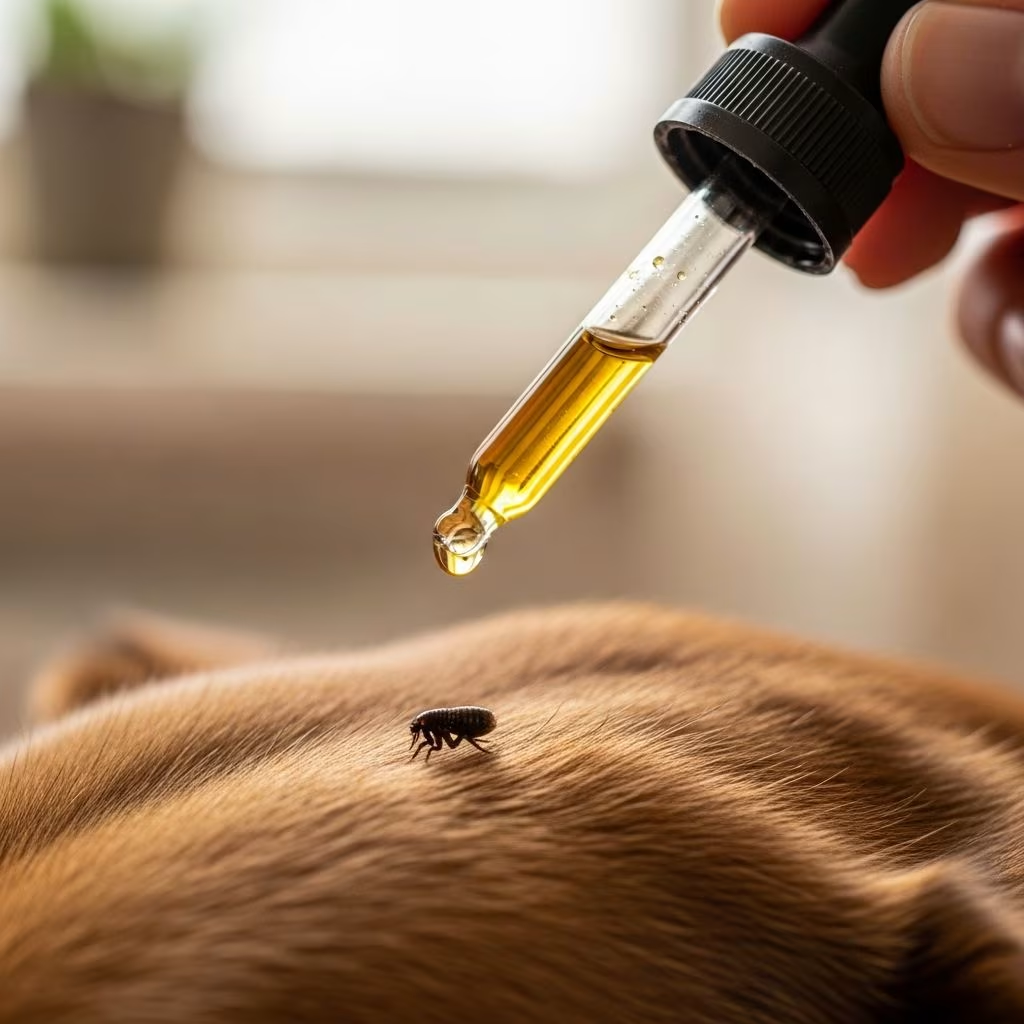
Can You Use Essential Oils for Fleas on Dogs?
Flea infestations are a common concern for dog owners, and many pet parents seek natural alternatives to traditional chemical treatments. Essential oils have gained popularity as a natural solution for flea and tick prevention. However, the question remains: are essential oils truly safe and effective for dogs? The answer is nuanced and requires careful consideration of both the potential benefits and significant risks.
Understanding Essential Oils and Their Properties
Essential oils are concentrated plant extracts derived from various botanical sources. They contain powerful compounds that give plants their distinctive scents and properties. While these oils have been used in human wellness for centuries, their application to pets—particularly dogs—requires special attention. Dogs have different metabolic systems than humans, which means substances safe for people may pose risks for canines.
The concentration and purity of essential oils can vary significantly between products. Some commercial flea treatments contain essential oils as active ingredients, while others use them as supplementary components alongside other substances. Understanding the specific composition of any product you consider using is crucial for your dog’s safety.
Effectiveness of Essential Oils Against Fleas
Recent scientific research has provided interesting insights into the effectiveness of essential oils against fleas and ticks. Several studies have examined how various essential oils perform in controlled laboratory settings.
Research Findings on Flea Control
A comprehensive study evaluated five different essential oils for their ability to control fleas. The research revealed that at a 4% concentration, these essential oils demonstrated significant effectiveness. Most notably, clove oil at a 4% concentration achieved 100% flea control, meaning it eliminated all fleas within one hour of application. This finding is particularly noteworthy for those interested in natural alternatives.
The same study found that even at lower concentrations of 0.5%, essential oils could kill fleas, though they required longer exposure times to achieve the same level of effectiveness as higher concentrations. This suggests that the concentration of the oil directly impacts how quickly it works.
Effectiveness Against Tick Larvae and Adults
When it comes to ticks, the research shows promising results for essential oils. All five essential oils tested demonstrated strong capability to kill tick larvae at concentrations of 2% and above within 24 hours. Additionally, these oils showed strong ability to inhibit spawning of female engorged ticks at 16% concentrations.
However, it’s important to note that while essential oils show effectiveness in laboratory settings, real-world results may vary. Field conditions and individual variations in dogs can affect outcomes compared to controlled laboratory environments.
Which Essential Oils Are Most Effective?
Several essential oils have demonstrated effectiveness against fleas and ticks based on both research and practical applications:
Clove Oil: Emerges as one of the most effective options, showing 100% flea elimination at 4% concentration. This oil’s potency makes it a popular choice in commercial products.
Cedarwood Oil: One of the most commonly used essential oils in flea and tick products, cedarwood is featured in many commercial formulations. It appears in various product concentrations, typically ranging from 4-5.7% in commercial sprays.
Lemongrass Oil: This oil is frequently included in natural flea repellent formulations. It offers repellent properties and is commonly combined with other essential oils for enhanced effectiveness.
Peppermint Oil: Known for its cooling properties and insect-repelling characteristics, peppermint oil appears in numerous natural flea treatment products.
Rosemary Oil: This herb’s essential oil has been studied for its tick and flea repellent properties and is commonly found in natural pet products.
Geranium Oil: Research indicates that geranium oils can repel significant percentages of ticks, with some samples showing over 90% repellency against American dog ticks.
Other Notable Oils: Citronella, lavender, thyme, cinnamon, and eucalyptus also demonstrate varying degrees of effectiveness against fleas and ticks.
Safety Concerns: Why Caution Is Essential
While the effectiveness data looks promising, safety is a critical concern that cannot be overlooked. Essential oils present several risks to dogs that owners must understand before use.
Toxicity Risks
Dogs metabolize substances differently than humans. Many essential oils contain compounds that can be toxic to dogs, particularly when concentrated or used improperly. The liver, in particular, has difficulty processing certain essential oil compounds, leading to potential accumulation and toxicity over time.
Phenols, found in oils like tea tree and some others, are particularly concerning for dogs. These compounds can cause damage to the liver and nervous system. Even small exposures can potentially accumulate to dangerous levels, especially with repeated application.
Skin and Dermal Reactions
Essential oils are highly concentrated and can cause skin irritation, dermatitis, or allergic reactions when applied directly to a dog’s skin without proper dilution. Some dogs may develop sensitivity or contact dermatitis following topical application of essential oil products.
Ingestion Hazards
Dogs groom themselves constantly by licking their fur. Any product applied topically has the potential to be ingested during normal grooming behaviors. Ingestion of essential oils can cause gastrointestinal upset, vomiting, diarrhea, and in severe cases, more serious complications. It’s critical never to add essential oils to a dog’s drinking water, as this creates a direct ingestion route.
Neurological Effects
Some essential oils can affect a dog’s nervous system, potentially causing symptoms such as tremors, weakness, or behavioral changes. These neurological effects may develop gradually or suddenly depending on the oil and exposure level.
Professional Veterinary Perspective on Essential Oils
Veterinary professionals express significant concerns about essential oil use for flea and tick control in dogs. Major veterinary sources emphasize that essential oils are not safe for dogs and can cause more harm than good. The consensus among veterinarians is that the risks typically outweigh the potential benefits when alternatives exist.
Veterinarians stress that the high toxicity risk associated with essential oils makes them unsuitable for regular flea and tick prevention. Instead, they recommend evidence-based, veterinarian-approved flea and tick preventatives that have undergone rigorous safety and efficacy testing.
Safer Ways to Use Essential Oils Around Dogs
If you want to incorporate essential oils in your home while keeping your dog safe, there are important guidelines to follow:
Environmental Use Only: Rather than applying oils directly to your dog, consider using them in your home environment in ways that don’t expose your pet directly. However, ensure proper ventilation and monitor your dog for any adverse reactions.
Proper Dilution: If using diluted essential oils in a spray for your home (not on your dog), mix essential oils with water and a carrier oil in a glass spray bottle. Some recommendations suggest combining 6-7 drops of essential oils like rosemary, peppermint, eucalyptus, tea tree, and citronella with water in a cup. However, never apply such solutions directly to your dog.
Avoid Key Areas: If using any products containing essential oils near your dog, take care not to spray them near your dog’s eyes, ears, or mouth.
Professional Products Only: If you choose to use commercial products containing essential oils, select those specifically formulated and tested for pet safety. These products have undergone testing for appropriate concentrations and application methods.
Commercial Essential Oil-Based Flea Products
Several companies produce commercial flea and tick products that incorporate essential oils as active ingredients. These products differ from pure essential oils because they’ve been formulated specifically for pet use with appropriate dilutions and safety testing.
These commercial formulations typically combine multiple essential oils at specific concentrations. For example, some products contain cedarwood oil at 4-5.7% combined with complementary oils like lemongrass, rosemary, or peppermint, along with other ingredients like sodium lauryl sulfate and carrier oils. The key difference is that these products are designed with pet safety in mind, using appropriate concentrations and application methods.
Before using any commercial product, review the ingredient list carefully and consult with your veterinarian to ensure it’s appropriate for your individual dog.
Comparing Essential Oils to Traditional Flea Treatments
When considering whether to use essential oils for flea control, it’s helpful to understand how they compare to conventional treatments:
| Factor | Essential Oils | Traditional Treatments |
|---|---|---|
| Effectiveness | Moderate to high in labs; variable in real-world use | High efficacy with consistent results |
| Safety Profile | Significant toxicity concerns for dogs | FDA-approved with established safety guidelines |
| Duration of Action | Short-lived; requires frequent reapplication | Long-lasting protection (weeks to months) |
| Ease of Use | Requires careful preparation and application | Simple application methods (topical, oral, collar) |
| Cost | Generally lower upfront cost | Higher initial cost; more cost-effective long-term |
| Veterinary Support | Limited professional recommendation | Strongly recommended by veterinarians |
Alternative Natural Flea Control Methods
If you’re interested in natural approaches to flea control, several alternatives exist that may be safer than essential oils:
Regular Grooming: Frequent bathing and combing can help remove fleas and check for infestations early. Use a fine-tooth flea comb to catch fleas physically.
Diatomaceous Earth: Food-grade diatomaceous earth, when applied to your home environment (not directly on your dog), may help control fleas in your living space.
Prescription Natural Options: Some veterinarians offer prescription-based natural flea preventatives that have been rigorously tested for safety and efficacy.
Environmental Control: Maintaining a clean home environment, washing bedding frequently, and vacuuming regularly can reduce flea populations.
Dietary Support: A healthy diet that supports your dog’s immune system may help them better resist flea infestations, though diet alone isn’t sufficient for prevention.
When to Consult Your Veterinarian
If your dog has fleas, or if you’re considering any flea treatment including essential oils, consult your veterinarian. This is especially important if your dog has:
– Existing health conditions or is taking medications- Known allergies or sensitivities- Puppies under 8 weeks old- Pregnant or nursing dogs- Senior dogs or dogs with compromised immune systems
Your veterinarian can recommend the safest and most effective flea control options tailored to your dog’s specific needs and health status.
Frequently Asked Questions
Q: Are any essential oils completely safe for dogs?
A: While some essential oils show low toxicity compared to others, most veterinarians recommend avoiding essential oils on dogs altogether due to individual variation in sensitivity and the risk of cumulative toxicity.
Q: Can I dilute essential oils to make them safer for my dog?
A: Dilution reduces concentration but doesn’t eliminate toxicity risk entirely. Even diluted essential oils can pose dangers to dogs, especially with regular use or if ingested during grooming.
Q: How long do essential oils work against fleas?
A: In laboratory settings, essential oils showed rapid effectiveness (clove oil killed 100% of fleas within one hour at 4% concentration). However, in real-world use, protection is typically short-lived and requires frequent reapplication.
Q: Are commercial flea products with essential oils safer than pure oils?
A: Commercial products formulated for pets are generally safer than pure essential oils because they use appropriate dilutions and have undergone some testing. However, discuss any product with your veterinarian before use.
Q: What’s the most effective natural flea prevention for dogs?
A: While prescription flea preventatives aren’t technically “natural,” they’re often the safest and most effective option. For natural approaches, regular grooming, environmental cleanliness, and veterinarian-recommended options are safest.
Q: Can essential oils be used preventatively or only for treatment?
A: Both preventative and treatment applications carry the same safety concerns. Whether used before or after flea exposure, essential oils present toxicity risks to dogs.
Q: What should I do if my dog has ingested essential oil?
A: Contact your veterinarian or poison control immediately. Provide information about which oil was ingested, the amount, and when ingestion occurred. Do not wait for symptoms to develop.
Conclusion
While research demonstrates that certain essential oils can be effective against fleas and ticks in laboratory settings, the significant safety concerns for dogs make them a questionable choice for flea control. The toxicity risks, potential for skin reactions, ingestion hazards, and neurological effects outweigh the benefits, particularly when safer, more reliable alternatives exist.
If you’re committed to using natural approaches, work with your veterinarian to identify safe options tailored to your dog’s individual needs. For most dog owners, prescription flea preventatives recommended by veterinarians remain the safest and most effective choice for protecting their pets from fleas and ticks. Your dog’s health and safety should always be the primary consideration when choosing any treatment or preventative product.
References
- Essential oil pharmaceuticals for killing ectoparasites on dogs — PMC/National Institutes of Health. 2024. https://pmc.ncbi.nlm.nih.gov/articles/PMC10839170/
- The use of essential oils as tick repellents for dogs and their humans — Tisserand Institute. https://tisserandinstitute.org/essential-oils-tick-repellent-dogs/
- Essential Oils for Fleas and Ticks on Dogs: Is It Safe? — PetMD. https://www.petmd.com/dog/it-safe-use-essential-oils-fleas-and-ticks-dogs
- Efficient Natural Flea Treatments for Dogs — The National Canine Research Council. https://wearethecure.org/natural-flea-treatments-for-dogs/
- Flea & Tick Spray for Pets and Home with Essential Oils — Wondercide. https://www.wondercide.com/products/natural-flea-tick-mosquito-control-for-dogs-evolv
- Natural and Vegan Flea Remedies For Dogs — PETA. https://www.peta.org/living/animal-companions/abcs-cruelty-free-flea-control/



