

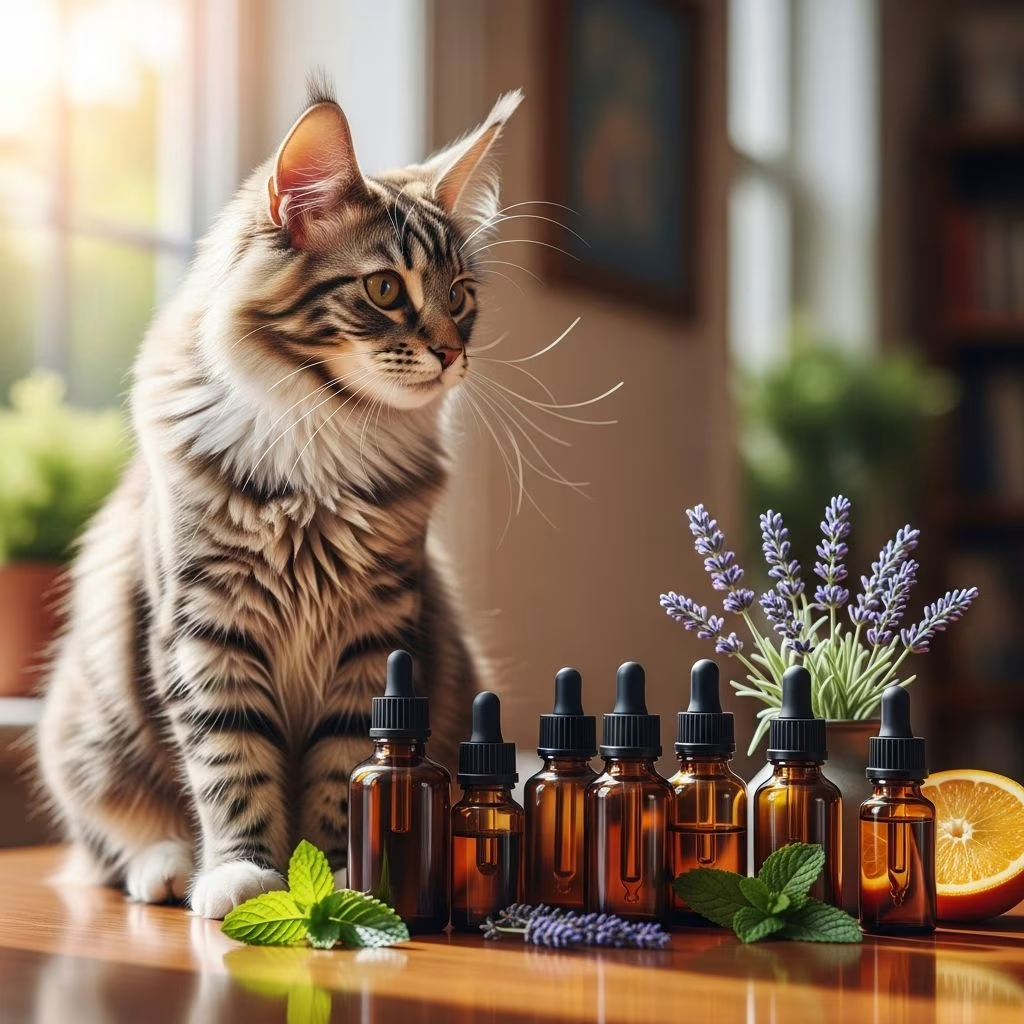
Essential oils have surged in popularity for their aromatic benefits and therapeutic claims in human wellness, from diffusers to topical applications. However, when it comes to cats, these plant-derived concentrates present significant health risks. Cats lack key liver enzymes—specifically glucuronyl transferase—needed to metabolize phenols, terpenes, and other compounds found in many essential oils, leading to rapid accumulation and toxicity. This article explores why essential oils are hazardous for cats, identifies the most dangerous ones, details symptoms of poisoning, offers prevention strategies, and suggests safer alternatives.
Why Are Essential Oils Dangerous for Cats?
Cats are particularly vulnerable to essential oils due to their unique physiology. Unlike humans and dogs, felines possess a limited ability to break down and excrete certain chemicals through the liver. Essential oils are rapidly absorbed through the skin, ingested during grooming, or inhaled via diffusers, allowing toxins to build up in the bloodstream and organs.
Concentrated vapors from diffusers can irritate the respiratory tract, exacerbating conditions like asthma or heart disease. Even diluted oils pose risks, as cats are meticulous groomers and may lick residues off their fur, leading to oral ingestion. Higher concentrations amplify the danger, with just a few licks or skin contact sufficient to cause harm, especially in kittens, seniors, or cats with pre-existing liver issues.
Myth busting: Many assume ‘natural’ plant origins mean safety, but numerous plants are toxic to cats. Essential oils are highly potent extracts, not benign herbs.
Which Essential Oils Are Toxic to Cats?
Numerous essential oils can cause poisoning in cats. Veterinary sources consistently warn against the following, which contain phenols, terpenes, or other indigestible compounds:
- Tea tree (Melaleuca) oil: Highly toxic; even small amounts cause neurological symptoms.
- Peppermint oil: Irritates mucous membranes and leads to liver toxicity.
- Cinnamon oil: Causes severe gastrointestinal upset and burns.
- Eucalyptus oil: Respiratory irritant; linked to breathing difficulties.
- Clove oil: Potent phenols overwhelm feline livers.
- Pine oil: Common in cleaners; causes skin and oral irritation.
- Citrus oils (e.g., lemon, orange): Terpenes cause dermal burns and drooling.
- Lavender oil: Can induce vomiting and ataxia.
- Ylang-ylang oil: Neurotoxic effects reported.
- Pennyroyal oil: Extremely dangerous; linked to liver failure.
- Wintergreen and sweet birch oils: Contain methyl salicylate, akin to aspirin toxicity.
No essential oil is deemed completely safe for cats by major veterinary authorities. Even ‘safer’ options like frankincense or chamomile carry risks if concentrated.
Symptoms of Essential Oil Poisoning in Cats
Essential oil toxicity manifests variably based on exposure route, oil type, amount, and cat’s health. Symptoms can appear within minutes to hours:
- Respiratory issues: Coughing, wheezing, difficulty breathing, rapid/shallow breaths—critical in asthmatics.
- Skin reactions: Redness, burns, drooling from chemical irritation.
- Gastrointestinal: Vomiting, diarrhea, hypersalivation.
- Neurological: Ataxia (wobbliness), tremors, seizures, depression, coma.
- Systemic: Low heart rate, hypothermia, liver failure (jaundice, elevated enzymes).
Severe cases can be fatal without prompt intervention. Smaller cats, kittens, and elderly felines face higher risks due to lower body mass and reduced detoxification capacity.
What to Do If Your Cat Is Exposed to Essential Oils
Act swiftly if exposure is suspected—do not wait for symptoms. Steps include:
- Remove from source: Move cat to fresh air; ventilate the area to disperse vapors.
- Avoid bathing: Soaps may worsen absorption; do not induce vomiting.
- Do not apply remedies: Skip home treatments like oils or milk.
- Contact professionals: Call your vet, pet poison hotline (e.g., ASPCA at 888-426-4435), or emergency clinic immediately. Provide oil name, amount, exposure method, and cat details (age, weight).
Vets may administer activated charcoal, IV fluids, anti-seizure meds, or liver support. Bloodwork assesses organ damage. Prognosis improves with early treatment.
How to Prevent Essential Oil Exposure in Cats
Prevention is paramount since no level of exposure is risk-free. Key strategies:
- Quarantine during use: Keep cats in a separate, oil-free room if diffusing or applying personally.
- Store securely: Lock oils away from curious paws; never leave diffusers unattended.
- Avoid direct contact: Wash hands thoroughly after handling; change clothes before petting.
- Ventilate: Ensure good airflow; use fans to clear vapors.
- Choose pet-safe alternatives: Opt for water-based diffusers or synthetic scents without oils.
- Consult vets: Before any pet product claiming essential oils.
For multi-pet homes, prioritize feline safety as cats are most sensitive.
Are There Any Safe Ways to Use Essential Oils Around Cats?
Veterinarians universally advise against using essential oils on or near cats. Some pet owners anecdotally report flea-repelling (e.g., cedarwood) or calming effects, but risks outweigh unproven benefits. No veterinary organization endorses them for cats.
If wellness is the goal, consider:
- Vet-formulated products: Flea treatments or calming pheromones like Feliway.
- Hydrosols: Diluted water byproducts, potentially safer but vet-approved only.
- Herbal supplements: Under guidance for digestion or anxiety.
| Human Use | Cat-Safe Alternative |
|---|---|
| Diffuser for relaxation | Pheromone diffusers (e.g., Feliway) |
| Flea repellent oils | Vet-prescribed topicals (e.g., fipronil) |
| Topical anti-inflammatory | Prescription NSAIDs or laser therapy |
Common Myths About Essential Oils and Cats
- Myth: Dilution makes it safe. Even trace amounts accumulate.
- Myth: Only ingestion is dangerous. Inhalation and skin contact are equally hazardous.
- Myth: All plants are safe. Concentration changes everything.
- Myth: Cats avoid toxic smells. Curiosity overrides aversion.
Frequently Asked Questions (FAQs)
Are essential oils safe in diffusers around cats?
No, vapors are absorbed via lungs and skin. Quarantine cats during use.
Can I apply diluted essential oils to my cat’s skin?
Never. Absorption leads to toxicity; use vet products only.
What if my cat licked a drop of essential oil?
Seek vet care immediately; even small amounts can poison.
Are there any essential oils cats like?
Some tolerate lavender scents mildly, but none are safe for regular exposure.
How long do essential oil fumes linger?
Up to hours; ventilate thoroughly and keep cats away.
Conclusion: Prioritize Safety Over Aromatherapy
While essential oils enhance human well-being, they threaten cat health profoundly. By understanding risks, recognizing symptoms, and implementing prevention, cat owners can avoid tragedies. Always consult veterinarians for wellness needs—your cat’s liver will thank you. Expanded awareness ensures homes remain havens, not hazards.
(Word count: 1678)
References
- Are Essential Oils Safe for Cats? — PetMD. 2023. https://www.petmd.com/cat/are-essential-oils-safe-cats
- The Hidden Dangers to Your Pets from Essential Oils — Independence Veterinary Clinic. 2022. https://independenceveterinaryclinic.com/the-hidden-dangers-to-your-pets-from-essential-oils/
- What to Know About the Risks of Essential Oils for Cats — WebMD. 2024. https://www.webmd.com/pets/cats/risks-of-essential-oils-for-cats
- Essential Oil and Liquid Potpourri Poisoning in Cats — VCA Animal Hospitals. 2023. https://vcahospitals.com/know-your-pet/essential-oil-and-liquid-potpourri-poisoning-in-cats
- The Essentials of Essential Oils Around Pets — ASPCA. 2023. https://www.aspca.org/news/essentials-essential-oils-around-pets
- Essential Oils Toxic to Pets — Live Oak Companion Animal Hospital. 2019-08-01. https://liveoakvet.com/2019/08/01/essential-oils-toxic-pets/



