

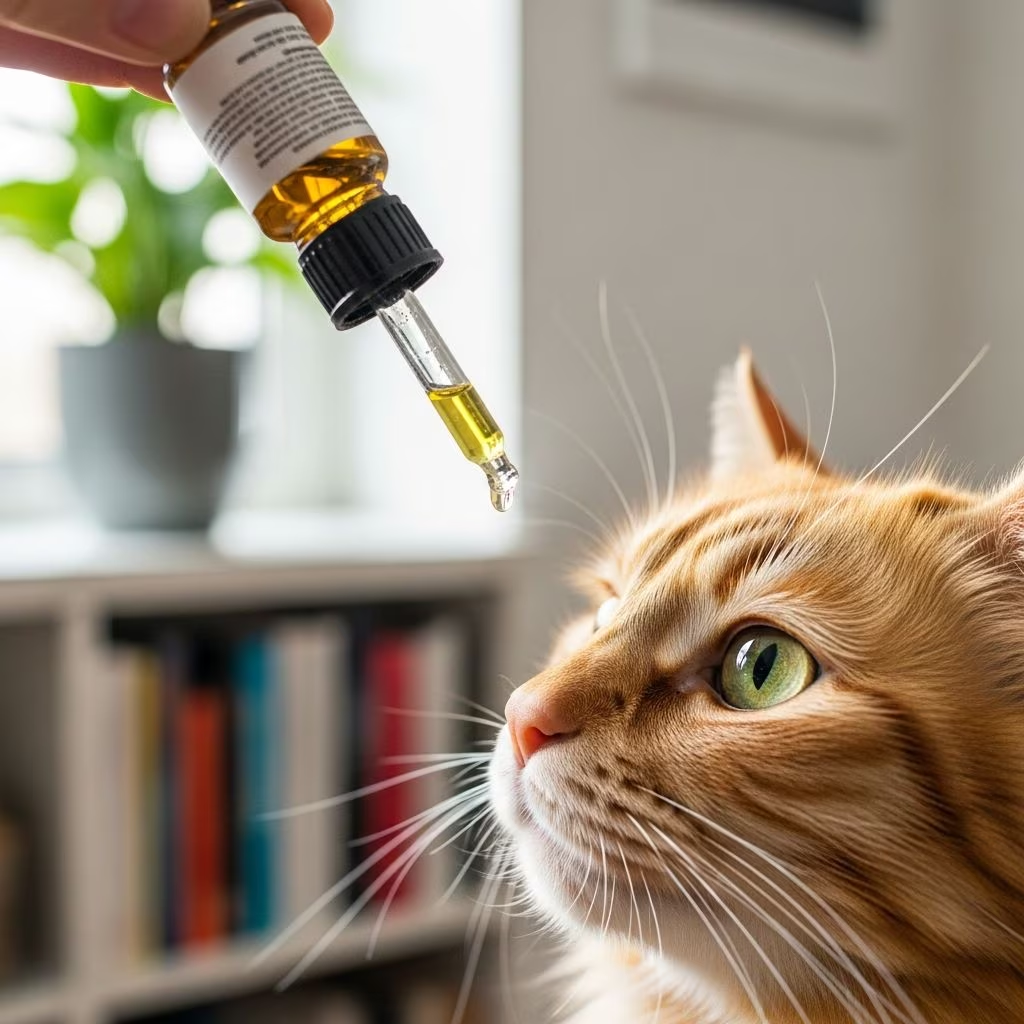
Essential Oils and Cats: A Dangerous Combination
Essential oils have become increasingly popular in households for their aromatic and therapeutic benefits to humans. However, what works well for people can be profoundly dangerous for our feline companions. Essential oils pose a significant toxic risk to cats, and understanding this danger is crucial for responsible pet ownership. Cats are uniquely vulnerable to essential oil toxicity due to their specific biological makeup, and even small exposures can lead to serious health consequences.
Why Cats Are Especially Vulnerable to Essential Oils
The primary reason cats are so susceptible to essential oil poisoning lies in their liver function. Cats lack certain liver enzymes necessary to metabolize essential oils and other toxic compounds. This enzymatic deficiency means that when cats come into contact with essential oils, their bodies cannot efficiently process and eliminate these substances. Instead, the oils accumulate in the liver and bloodstream, building up to toxic levels over time.
Additionally, cats have heightened sensitivity to phenolic compounds found in various essential oils. Their skin is also more permeable than many other animals, allowing oils to be rapidly absorbed through dermal contact. Young kittens, senior cats, and cats with pre-existing liver disease are particularly vulnerable and face heightened risk from even minimal exposure.
How Cats Are Exposed to Essential Oils
Understanding the various pathways of exposure is essential for prevention. Cats can come into contact with essential oils through multiple routes:
- Direct skin contact: Applying oils directly to a cat’s fur or skin is extremely dangerous. Oils absorb rapidly through the skin, and cats will often ingest the oil during self-grooming.
- Ingestion: Cats may swallow essential oils through licking contaminated surfaces, grooming their own fur after exposure, or consuming spilled diffuser liquid.
- Inhalation: Cats can inhale concentrated fumes from diffusers, which irritates the respiratory tract and allows compounds to accumulate in the liver.
- Environmental exposure: Passive diffusers release oils into the air where cats can breathe in the fumes and absorb residue through their skin.
Essential Oils That Are Toxic to Cats
While toxicity can occur from virtually any essential oil, certain oils are known to cause serious poisoning in felines. Pet owners should be particularly cautious with the following oils:
- Oil of wintergreen
- Oil of sweet birch
- Citrus oils (containing d-limonene)
- Pine oils
- Ylang-ylang oil
- Peppermint oil
- Cinnamon oil
- Pennyroyal oil
- Clove oil
- Eucalyptus oil
- Tea tree oil
- Lavender oil
The concentration of the oil dramatically affects the risk level. 100% pure, undiluted essential oils present the greatest danger to cats. Even small amounts of concentrated oils can cause significant harm, while diluted versions pose somewhat lower but still considerable risk.
Recognizing Signs of Essential Oil Poisoning in Cats
If your cat has been exposed to essential oils, watch carefully for symptoms of toxicity. The signs that develop depend on the type of oil and the dose of exposure, but may include:
- Drooling or excessive salivation
- Vomiting and diarrhea
- Tremors or muscle shaking
- Ataxia (loss of coordination or wobbliness)
- Respiratory distress or difficulty breathing
- Low heart rate
- Low body temperature
- Depression or lethargy
- Difficulty regulating heart rate and body temperature
- Liver failure (most serious consequence)
The most concerning symptoms are breathing difficulties and liver failure, both of which can be fatal. If your cat shows any of these signs after potential essential oil exposure, seek veterinary attention immediately.
Essential Oil Diffusers and Cats
Many cat owners wonder about the safety of essential oil diffusers in their homes. Diffusers pose significant risks to cats, though the type of diffuser matters somewhat. Passive diffusers that simply emit scent without heat present slightly lower risk than active diffusers, but they are not safe.
The primary hazard from passive diffusers is respiratory irritation, as cats inhale the dispersed oil particles. However, if a diffuser tips over or leaks, cats may come into direct contact with concentrated liquid, which is far more dangerous. Additionally, cats that lick their fur after being exposed to diffused oils can ingest harmful amounts of the substance.
Cats with underlying respiratory conditions such as asthma or heart disease face even greater risk from inhaled essential oil fumes. These conditions can be dramatically worsened by exposure, leading to excessive coughing, breathing difficulties, or life-threatening complications.
Safe Practices for Essential Oil Use in Homes with Cats
If you wish to use essential oils for your own benefit while sharing your home with a cat, several precautions are necessary:
- Never apply essential oils directly to your cat: This includes topical applications for grooming, coat health, or therapeutic purposes.
- Keep all essential oils stored securely: Store bottles in closed cabinets or drawers where curious cats cannot access them.
- Never use essential oils in your cat’s food or water: The risks far outweigh any perceived digestive benefits.
- Avoid unattended diffusers: Never leave a diffuser running while your cat is unsupervised, and never leave open bottles of essential oil unattended.
- Quarantine your cat when using oils: If you use essential oils, confine your cat to a separate room with fresh air access.
- Avoid personal contact immediately after application: If you apply essential oils to your own body, avoid petting or cuddling your cat until the oil is fully absorbed and no longer has a noticeable scent.
- Ensure adequate ventilation: If essential oils are used in your home, provide your cat with access to well-ventilated areas and fresh air.
- Consult your veterinarian: Before using any essential oils or herbal products in a home with cats, discuss safety with your vet.
Common Misconceptions About Essential Oils and Cats
Despite clear warnings from veterinary professionals, some pet owners believe that certain essential oils offer therapeutic benefits to cats. While these claims may be true for humans, they do not apply to felines:
Flea and pest repelling: Some owners use oils like rosemary and cedarwood to repel fleas. However, these oils can still cause toxicity in cats, and safer alternatives are available through your veterinarian.
Mood and anxiety improvement: Pet owners sometimes claim that essential oils calm anxious cats, similar to their effects on humans. However, the risks of toxicity far outweigh any potential mood benefits, and safer calming methods exist.
Anti-inflammatory effects: While essential oils do possess anti-inflammatory properties in humans, cats cannot safely utilize these benefits without risking poisoning.
The bottom line is clear: just because essential oils are plant-derived does not make them safe for cats. Many plants are toxic to felines, and concentrated essential oils are far more dangerous than the plants themselves.
What to Do If Your Cat Has Been Exposed to Essential Oils
If you suspect your cat has come into contact with essential oils, take these steps:
- Remove your cat from the area of exposure immediately.
- If the oil is on your cat’s skin or fur, gently rinse the affected area with water (do not use soap, which can increase absorption).
- Contact your veterinarian or an emergency veterinary clinic right away, even if no symptoms are yet visible.
- Have information ready about which essential oil was involved and the approximate amount of exposure.
- Monitor your cat closely for any of the symptoms listed above and report them to your vet.
- Do not attempt to induce vomiting or administer home treatments without veterinary guidance.
Safer Alternatives to Essential Oils for Cat Owners
If you enjoy the benefits of aromatherapy or herbal products, consider safer alternatives that do not put your cat at risk:
- Use essential oils in separate rooms: Confine their use to areas where your cat never goes, such as a locked bedroom or office.
- Hydrosols instead of essential oils: These are less concentrated alternatives that are somewhat safer, though still requiring caution.
- Cat-safe plants: Consider pet-friendly plants such as spider plants, Boston ferns, or cat grass to improve your home environment naturally.
- Veterinary-approved products: Consult your vet about cat-safe calming aids, flea treatments, or digestive supplements.
- Non-scent alternatives: Use unscented candles, air purifiers, or humidifiers for environmental control without aromatic risks.
Frequently Asked Questions
Q: Are any essential oils safe to use around cats?
A: No essential oils are truly safe for cats due to their liver’s inability to metabolize the compounds. To be safest, avoid using essential oils around cats or in areas they frequent. Always consult your veterinarian before using any essential oils in a home with cats.
Q: What should I do if my cat ingests essential oil?
A: Contact your veterinarian or an emergency veterinary clinic immediately. Do not wait for symptoms to appear. Provide information about which oil was involved and the estimated amount. Your vet can monitor your cat’s liver function and provide supportive care if needed.
Q: Can I use a diffuser in one room if I keep my cat out?
A: While this is safer than using diffusers in shared spaces, it is still risky. Essential oil particles can travel through your home via air circulation, and if your cat accidentally enters the room, exposure could occur. The safest approach is to avoid diffusers entirely in homes with cats.
Q: What are the long-term effects of essential oil exposure in cats?
A: Long-term exposure can lead to liver damage and liver failure, which may develop slowly over time. Chronic exposure can also cause ongoing respiratory irritation, particularly in cats with asthma or heart disease. Prevention through complete avoidance is far better than managing long-term effects.
Q: Are some cats more resistant to essential oil toxicity than others?
A: While individual sensitivity may vary based on breed, age, size, and overall health, all cats lack the necessary liver enzymes to safely metabolize essential oils. Younger, healthier cats may tolerate exposure slightly better, but toxicity can still occur in any cat.
Q: Can I apply diluted essential oils to my cat’s coat for flea prevention?
A: No. Diluted or undiluted, essential oils should never be applied directly to cats. Even diluted oils can cause toxicity through skin absorption and ingestion during grooming. Consult your veterinarian for safe, cat-approved flea prevention methods.
Q: Are liquid potpourri products as dangerous as essential oils?
A: Yes, many liquid potpourri products contain essential oils and are equally dangerous to cats. Some can also irritate or burn the skin and mouth. Keep all liquid potpourri products away from cats, and never leave them simmering unattended.
Q: How can I create a pleasant-smelling home without essential oils?
A: Use cat-safe alternatives such as unscented candles in cat-free rooms, air purifiers with HEPA filters, natural ventilation, pet-safe plants, or veterinarian-approved products specifically designed for cats.
References
- Essential Oils and Cats — Pet Poison Helpline. 2024. https://www.petpoisonhelpline.com/uncategorized/essential-oils-cats/
- What to Know About the Risks of Essential Oils for Cats — WebMD. 2024. https://www.webmd.com/pets/cats/risks-of-essential-oils-for-cats
- Are Essential Oils Safe for Cats? — PetMD. 2024. https://www.petmd.com/cat/are-essential-oils-safe-cats
- Essential Oil and Liquid Potpourri Poisoning in Cats — VCA Animal Hospitals. 2024. https://vcahospitals.com/know-your-pet/essential-oil-and-liquid-potpourri-poisoning-in-cats
- The Essentials of Essential Oils Around Pets — ASPCA. 2024. https://www.aspca.org/news/essentials-essential-oils-around-pets
- Essential Oils For Pets — American College of Healthcare Sciences. 2024. https://achs.edu/blog/essential-oils-for-pets/



