

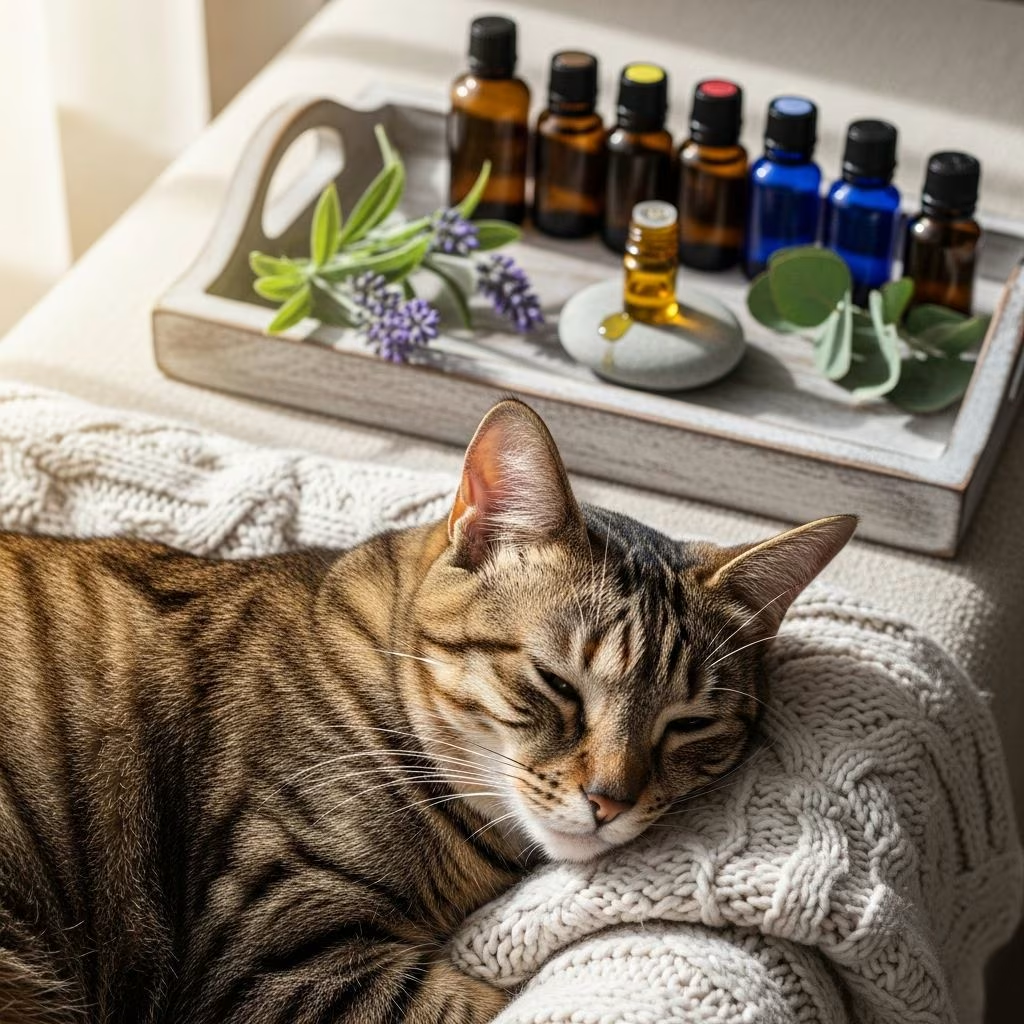
Cats face significant health risks from essential oils due to their inability to metabolize certain compounds effectively, leading to potential toxicity even from low exposure levels.
Why Cats Are Vulnerable to Essential Oils
Felines possess a unique liver enzyme deficiency that impairs their ability to break down and eliminate phenols, terpenes, and ketones found in many essential oils. These substances accumulate, causing organ damage, particularly to the liver.
Essential oils enter a cat’s system rapidly through inhalation, skin absorption, or ingestion during grooming. Concentrated forms amplify the danger, but even diluted versions in diffusers can pose threats in enclosed spaces.
Common Toxic Essential Oils for Cats
Several popular oils are highly dangerous for cats, triggering severe reactions. Key offenders include:
- Tea tree oil: Causes skin burns, neurological issues, and liver failure even in small amounts.
- Pennyroyal oil: Leads to liver damage and seizures due to high pulegone content.
- Eucalyptus and peppermint oils: Induce respiratory distress and ataxia from menthol compounds.
- Cinnamon, clove, and citrus oils: Contain phenols irritating to mucous membranes and toxic when metabolized.
- Pine, ylang ylang, and wintergreen oils: Promote vomiting, low body temperature, and heart rate irregularities.
These oils’ compounds overwhelm the feline liver, lacking glucuronidase enzymes for proper detoxification.
Signs of Essential Oil Poisoning in Cats
Recognizing symptoms early can save lives. Watch for:
- Drooling or pawing at the mouth
- Vomiting or diarrhea
- Unsteadiness, tremors, or seizures
- Difficulty breathing or open-mouth respiration
- Lethargy, depression, or collapse
- Low heart rate, hypothermia, or skin irritation
Symptoms vary by oil type, exposure amount, and cat’s size or age. Kittens, seniors, and those with respiratory issues face heightened risks.
How Essential Oils Affect Cats Metabolically
Cats’ livers cannot efficiently process essential oil phenolics via glucuronidation, a pathway vital for toxin elimination. This leads to buildup, manifesting as acute toxicity.
| Exposure Route | Absorption Speed | Common Effects |
|---|---|---|
| Inhalation (diffusers) | Fast via lungs | Respiratory distress, neurological signs |
| Skin contact | Rapid dermal uptake | Irritation, burns, systemic toxicity |
| Ingestion (grooming) | Immediate oral | Vomiting, liver failure |
Veterinarians emphasize avoiding all direct applications, as risks outweigh unproven benefits.
Debating ‘Safe’ Essential Oils: Expert Consensus
While some sources list oils like lavender, chamomile, or frankincense as potentially tolerable when heavily diluted, major veterinary organizations urge complete avoidance. The ASPCA warns concentrated forms are outright dangerous, and even diluted diffusion carries inhalation risks.
No essential oil is universally safe; individual cat sensitivities vary by breed, health, and genetics. Veterinary toxicologists recommend erring on caution over anecdotal successes.
Safe Alternatives to Essential Oils for Cat Owners
Protect your home without risking feline health:
- Veterinary-approved pheromones: Synthetic F3 diffusers mimic calming cat signals.
- Herbal rinses: Diluted calendula or chamomile teas for skin soothing (vet consultation required).
- Non-aromatic repellents: Citrus peels or cedar shavings for pest control, placed away from cats.
- Air purifiers: HEPA filters remove allergens without chemical scents.
- Prescription therapies: For anxiety or fleas, use vet-recommended meds like fluoxetine or topical treatments.
Always test new products in cat-free zones and monitor behavior.
Using Diffusers Safely Around Cats
Diffusers disperse oils into air, but vapors cling to fur for later ingestion. Best practices:
- Operate in isolated, well-ventilated rooms cats avoid.
- Use water-based, low-mist models over ultrasonic ones.
- Limit sessions to 30 minutes, allowing 2+ hours for dissipation.
- Choose carrier oils cautiously; high-fat bases cause separate GI issues.
For multi-pet homes, prioritize dogs’ tolerances separately, preventing cross-grooming.
Emergency Response to Suspected Poisoning
Act swiftly if exposure occurs:
- Remove cat from area; ensure fresh air.
- Wipe fur gently with cool water (no soaps initially).
- Avoid inducing vomit; contact vet or poison hotline immediately.
- Provide oil name, amount, and exposure route.
Treatment may involve activated charcoal, IV fluids, or liver support. Prognosis improves with prompt care.
Common Myths About Essential Oils and Cats
Myth 1: Dilution makes all oils safe. Reality: Even trace phenols accumulate.
Myth 2: Cats avoid toxic smells. Reality: Curiosity leads to investigation and grooming.
Myth 3: Aromatherapy aids cat wellness. Reality: No peer-reviewed evidence supports benefits outweighing risks.
Frequently Asked Questions
Are any essential oils truly safe for cats?
No essential oils are guaranteed safe; veterinary consensus advises against their use around cats due to metabolic vulnerabilities.
Can I use essential oils if my cat has asthma?
Absolutely not—respiratory conditions exacerbate inhalation risks, potentially triggering failure.
What if my cat licks a diffuser spill?
Rush to a vet; even small ingestions demand decontamination and monitoring for liver enzymes.
Do breed differences affect oil tolerance?
Yes, but universally, cats lack key enzymes; Persians or Siamese may show amplified sensitivities.
Is tea tree oil ever okay for cats?
Never—it’s linked to severe poisoning cases requiring intensive care.
Long-Term Home Strategies for Safety
Integrate cat-centric habits:
- Store oils securely in cat-proof cabinets.
- Label products and educate household members.
- Opt for unscented cleaners and personal care items.
- Schedule annual vet checkups focusing on liver health.
By prioritizing evidence-based care, cat owners foster toxin-free environments promoting longevity.
References
- Essential Oils and Cats — Pet Poison Helpline. 2023. https://www.petpoisonhelpline.com/uncategorized/essential-oils-cats/
- Essential Oils for Cats: Are They Safe? — Hill’s Pet Nutrition. 2024. https://www.hillspet.com/cat-care/routine-care/essential-oils-for-cats
- Are essential oils dangerous to cats? — Cats Protection (cats.org.uk). 2023. https://www.cats.org.uk/cats-blog/cats-and-essential-oils
- What to Know About the Risks of Essential Oils for Cats — WebMD Pets. 2024. https://www.webmd.com/pets/cats/risks-of-essential-oils-for-cats
- Essential Oils for Cats: Benefits, Risks, & Considerations — Total Vet. 2023. https://total.vet/are-essential-oils-safe-for-cats/



