

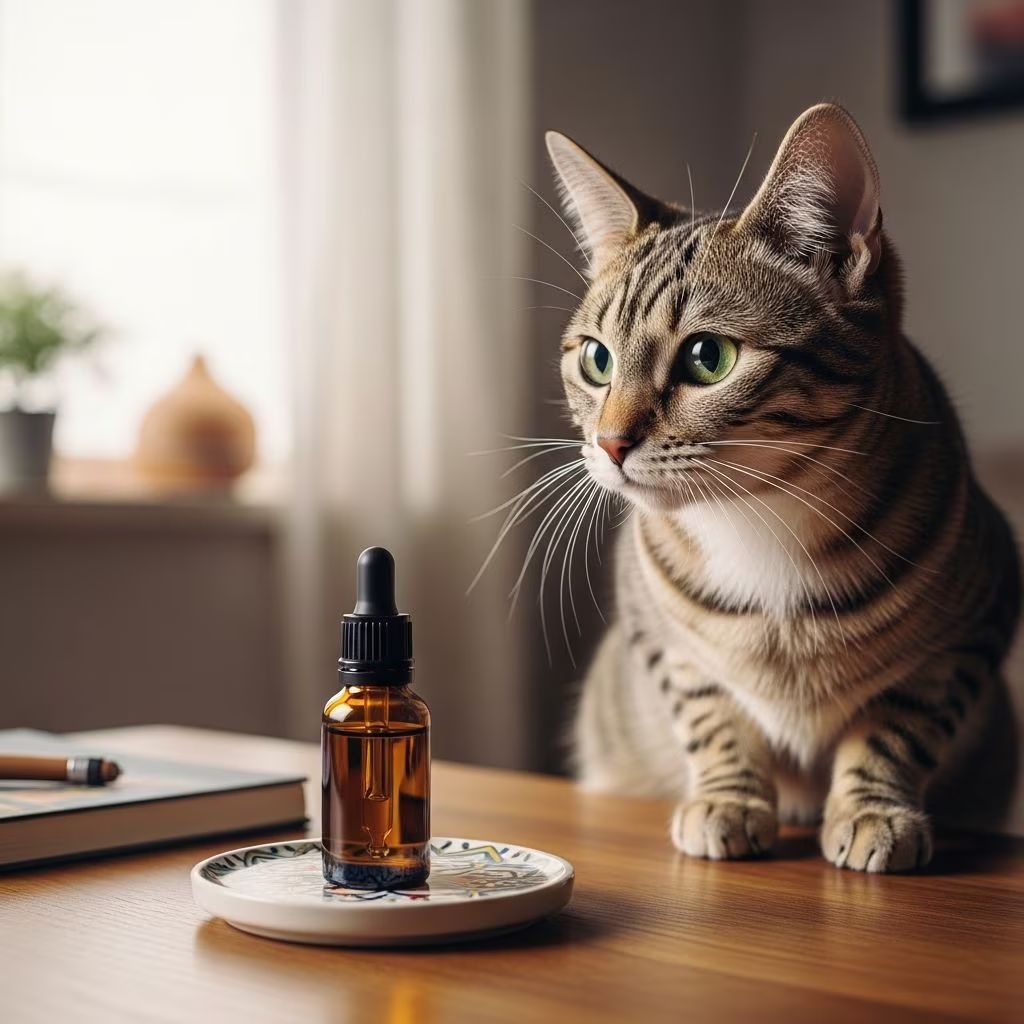
Cats possess unique metabolic vulnerabilities that render most essential oils potentially harmful, primarily due to their liver’s inability to process certain chemical compounds effectively. Veterinary experts emphasize avoiding these substances around felines to prevent respiratory issues, skin reactions, and severe organ damage.
Why Cats Are Extra Sensitive to Essential Oils
Felines lack key liver enzymes, such as glucuronyl transferase, necessary for breaking down phenols, terpenes, and other potent components found in essential oils. This deficiency leads to toxin buildup, which can overwhelm the liver and kidneys over time. Unlike dogs or humans, cats groom themselves extensively, increasing ingestion risks from skin contact or diffused vapors.
Research highlights that even small exposures via inhalation can irritate airways, causing inflammation or pneumonia-like conditions. Diffusers exacerbate this by dispersing microscopic oil particles that cats readily inhale during normal breathing. Breed, age, and health status further influence susceptibility, with kittens, seniors, and those with liver conditions facing heightened dangers.
Common Toxic Essential Oils to Avoid
Several popular oils pose immediate threats to cats. Veterinary toxicologists list the following as particularly hazardous:
- Tea tree oil: Causes severe skin burns, ataxia, and organ failure even in diluted forms.
- Eucalyptus: Triggers respiratory distress and central nervous system depression.
- Citrus oils (lemon, lime, orange, grapefruit): Lead to dermatitis and chemical burns upon contact.
- Clove and cinnamon: Highly irritant, provoking vomiting and liver toxicity.
- Pennyroyal and thyme: Known for inducing seizures and gastrointestinal upset.
- Geranium and bergamot: Disrupt hormonal balance and cause salivation.
These oils contain high concentrations of monoterpenes and phenolic compounds that cats cannot metabolize, resulting in rapid absorption through skin, lungs, or mouth. Even ‘natural’ labels do not guarantee safety, as potency varies by source and distillation method.
Routes of Exposure and Hidden Dangers
Cats encounter essential oils through multiple pathways in households. Direct application to fur or skin allows quick absorption, often licked off during grooming. Inhalation from diffusers or humidifiers spreads oils airborne, leading to subtle but cumulative lung damage. Ingestion occurs if spills happen on floors, furniture, or bedding that cats investigate.
Household items like candles, cleaners, and plug-in fresheners also release these vapors, mimicking diffuser effects. A tipped diffuser can create a puddle that curious cats lap up, amplifying toxicity. Pet owners unaware of these vectors often delay intervention, worsening outcomes.
| Exposure Route | Common Sources | Potential Effects |
|---|---|---|
| Skin Contact | Topical rubs, spills | Burns, absorption, grooming ingestion |
| Inhalation | Diffusers, sprays | Respiratory irritation, pneumonia |
| Ingestion | Licking fur, spills | Vomiting, liver/kidney damage |
Recognizing Symptoms of Essential Oil Toxicity
Early detection saves lives, as symptoms escalate quickly. Watch for these indicators, which may appear within minutes to hours:
- Excessive drooling or pawing at mouth
- Vomiting or diarrhea
- Unsteady gait, tremors, or drunken appearance
- Lethargy, weakness, or collapse
- Labored breathing, coughing, or open-mouth panting
- Skin redness, burns, or hair loss at contact sites
- Seizures in severe cases.
Mild cases might show only watery eyes or sneezing from respiratory irritation. Persistent signs demand immediate vet attention; sniff for oily scents on breath or fur as a clue. Smaller cats or those with pre-existing conditions deteriorate faster.
Emergency Response Steps
If exposure is suspected, act swiftly: Move the cat to fresh air away from the source to halt inhalation. Do not induce vomiting, as oils can cause aspiration pneumonia. Rinse skin gently with mild dish soap and lukewarm water if contact occurred, avoiding eyes and mouth.
Contact a vet or pet poison hotline immediately, providing details like oil type, amount, exposure method, cat’s weight, age, and symptom onset. Vets may administer activated charcoal, IV fluids, anti-seizure meds, or liver protectants based on bloodwork assessing organ function. Prognosis improves with prompt care, but delays risk permanent damage.
Are There Any Safe Alternatives for Cats?
While no essential oils are universally endorsed for cats, some owners report anecdotal benefits under strict veterinary guidance. Oils like diluted lavender or chamomile are occasionally suggested for calming, but evidence is limited and risks persist. Hydrosols—milder water-based distillates—offer a gentler option, though still requiring dilution and testing.
For flea repellence, arthritis relief, or digestion, prioritize vet-approved pharmaceuticals or holistic vet recommendations over oils. Never add oils to food, baths, or litter boxes, as these amplify ingestion hazards. Synthetic pheromone diffusers (e.g., Feliway) provide proven anxiety relief without toxicity concerns.
Practical Tips for a Cat-Safe Home Environment
Human enjoyment of essential oils need not endanger pets. Implement these strategies:
- Secure storage: Lock oils in cat-proof cabinets, beyond jumping reach.
- Hand hygiene: Wash thoroughly after handling to prevent transfer during petting.
- Designated zones: Use diffusers in closed, cat-free rooms with ventilation.
- Ventilation: Run exhaust fans or open windows post-use to clear vapors.
- Pet-specific products: Choose cleaners and fresheners labeled safe for cats.
- Consult professionals: Discuss with vets before any pet-adjacent use.
Monitor multi-pet homes closely, as dogs may tolerate oils better but still pose indirect risks via shared spaces.
Frequently Asked Questions
Can I diffuse essential oils if my cat stays in another room?
Vapors travel via air currents, potentially reaching distant areas. Err on the side of caution and avoid diffusion altogether.
What if my cat seems fine after exposure?
Subclinical damage can accumulate; liver enzymes may elevate without visible signs. Seek blood tests for reassurance.
Are carrier oils safer for dilution?
Even diluted, toxic compounds remain hazardous. Focus on non-oil alternatives.
How much exposure is dangerous?
No safe threshold exists for most oils; even trace inhalation affects sensitive cats.
Can essential oils help my cat’s anxiety?
Vet-prescribed pheromones outperform oils. Discuss options like behavior therapy first.
Long-Term Wellness Without Oils
Enhance cat health through proven methods: balanced nutrition, routine vet checkups, environmental enrichment, and safe play. For stress relief, interactive toys, scratching posts, and pheromone products suffice. Regular grooming reduces flea risks without chemical interventions.
Understanding feline physiology empowers informed choices. By sidestepping essential oils, owners foster safer, happier homes where cats thrive naturally.
References
- Essential oils and oil diffusers could be harming your pet — Animal Poisons Helpline. 2021-05. https://animalpoisons.com.au/wp-content/uploads/2021/05/Essential-oils-and-oil-diffusers-could-be-harming-your-pet-ABC-Everyday.pdf
- Essential Oils — Animal Care Clinic (Alison Barulich, DVM). Accessed 2026. https://www.animalcareclinicbranson.com/insights/essential-oils/
- What to Know About the Risks of Essential Oils for Cats — WebMD. Accessed 2026. https://www.webmd.com/pets/cats/risks-of-essential-oils-for-cats
- A Scent-sitive Subject: Essential Oil Diffusers and Your Cat — Texas A&M College of Veterinary Medicine (Dr. Murl Bailey). Accessed 2026. https://vetmed.tamu.edu/news/pet-talk/a-scent-sitive-subject-essential-oil-diffusers-and-your-cat/
- Essential Oils For Pets — American College of Healthcare Sciences. Accessed 2026. https://achs.edu/blog/essential-oils-for-pets/



