

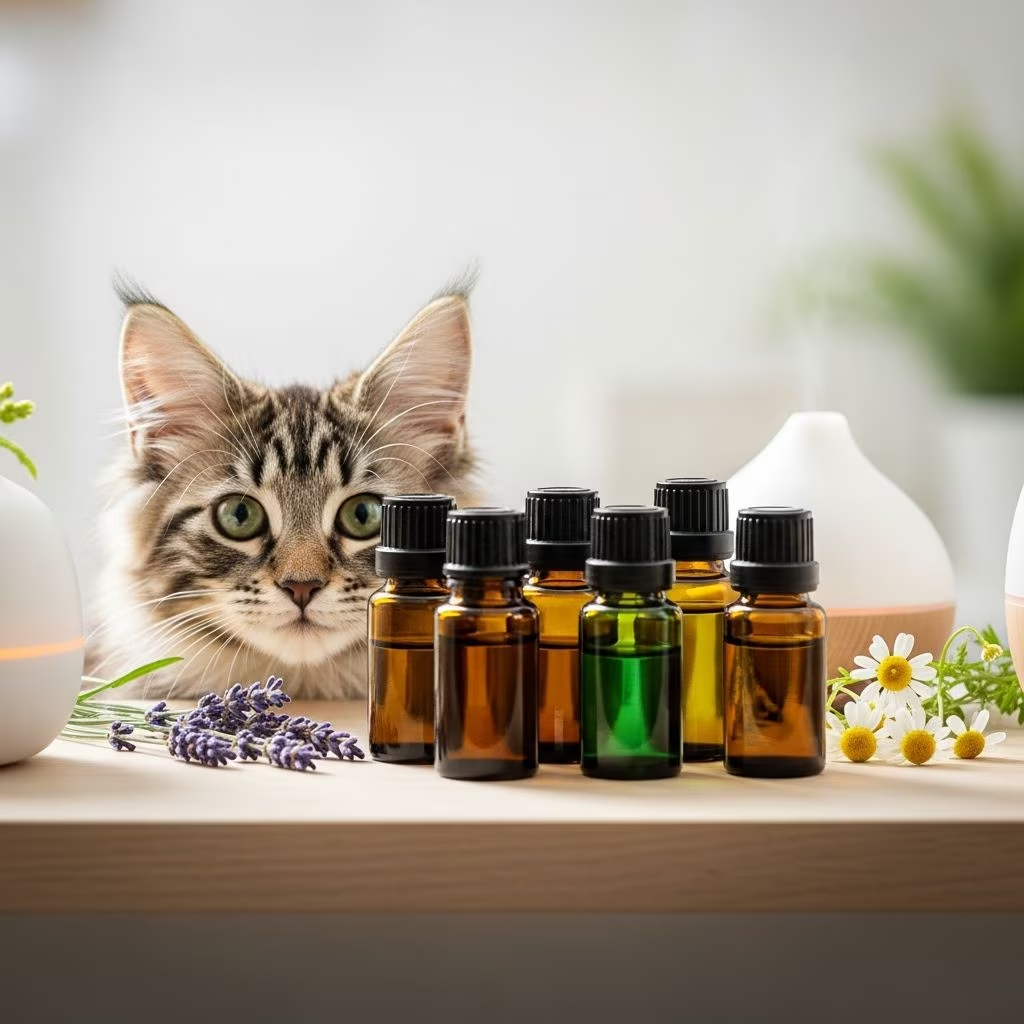
Essential oils are popular for their aromatic benefits and therapeutic claims in humans, but they present significant dangers to cats. Cats lack crucial liver enzymes like glucuronosyltransferase needed to metabolize many essential oil compounds, leading to rapid toxin buildup. This article explores why these oils are hazardous, lists toxic varieties, details symptoms of poisoning, and provides safety guidelines to protect your cat.
Why Are Essential Oils Dangerous for Cats?
Cats’ livers cannot efficiently process phenols, terpenes, and ketones found in most essential oils, causing these substances to accumulate and reach toxic levels quickly. Unlike dogs, which have some metabolic capacity for these compounds, cats are uniquely vulnerable, making even small exposures risky. Topical application is especially hazardous as oils absorb directly through the skin, and grooming leads to ingestion.
Diffusion into the air is somewhat less direct but still dangerous; vapors can irritate respiratory tracts, settle on fur for later licking, or exacerbate conditions like asthma. Concentration matters—undiluted or highly concentrated oils are most perilous, but even diluted forms in diffusers pose threats. Factors like a cat’s age, size, breed, and health influence severity, with kittens, seniors, and small cats at higher risk.
Essential Oils That Are Toxic to Cats
Numerous essential oils contain compounds lethal to cats. The following table lists common toxic oils, their key harmful components, and primary risks:
| Essential Oil | Harmful Compounds | Main Risks |
|---|---|---|
| Tea Tree | Terpenes | Skin absorption, liver damage |
| Eucalyptus | 1,8-Cineole | Respiratory irritation, toxicity |
| Wintergreen | Methyl salicylate | Blood thinning, organ failure |
| Peppermint | Menthol | Gastrointestinal upset |
| Cinnamon | Cinnamaldehyde | Mouth ulcers, liver toxicity |
| Clove | Eugenol | Liver and kidney damage |
| Lavender | Linalool, Linalyl acetate | Neurological symptoms |
| Citrus (e.g., Lemon, Orange) | Limonene | Drooling, vomiting |
| Pine | Pinene | Respiratory distress |
| Ylang-Ylang | Linalool | Depression, ataxia |
This is not exhaustive; many others like thyme, rosemary, bergamot, and pennyroyal are also dangerous. Potpourri, often containing these oils, is equally hazardous.
How Do Cats Get Exposed to Essential Oils?
- Direct Skin Contact: Applying oils topically leads to rapid absorption; never rub on fur or skin.
- Ingestion: Cats groom themselves, licking off residues from fur or spilled oils.
- Inhalation: Diffusers aerosolize oils, which cats inhale or absorb via settled droplets. Heat-based diffusers worsen toxicity by altering compounds.
- Indirect Contact: Oils on owners’ hands or clothing transfer during petting.
Reed diffusers are marginally safer than ultrasonic or nebulizing types but still risky if cats knock them over.
Symptoms of Essential Oil Poisoning in Cats
Signs vary by oil, exposure route, amount, and cat’s health but often appear within hours. Common symptoms include:
- Drooling, vomiting, diarrhea
- Low body temperature or fever
- Difficulty breathing, coughing, wheezing
- Ataxia (wobbliness), tremors, seizures
- Lethargy, depression, weakness
- Skin irritation, burns, or hair loss
- Eye or nasal discharge
Severe cases lead to liver failure, respiratory distress, or death. Cats with pre-existing asthma or heart disease face heightened risks from fumes.
What to Do If Your Cat Is Exposed
- Remove Exposure Immediately: Move cat to fresh air, prevent grooming if skin contact occurred (do not bathe without vet advice).
- Contact Vet or Poison Control: Call your veterinarian or Pet Poison Helpline urgently; provide oil type, amount, exposure method, cat’s weight/age.
- Monitor Closely: Watch for symptoms; rush to ER if breathing issues or collapse occur.
- Vet Treatment: May include decontamination, IV fluids, blood tests for liver/kidney function, medications for symptoms.
Do not induce vomiting or use human remedies—these can worsen outcomes.
Are There Any Safe Ways to Use Essential Oils Around Cats?
Veterinarians overwhelmingly advise against using essential oils near cats due to risks outweighing unproven benefits. Some owners anecdotally report uses like flea repulsion (rosemary, cedarwood) or anxiety relief, but evidence lacks and dangers prevail. No oils are universally safe; even ‘cat-safe’ claims from non-vet sources are unreliable.
If using for yourself:
- Quarantine cats to oil-free rooms with fresh air access.
- Avoid diffusers in shared spaces; use in isolated, well-ventilated areas.
- Wash hands thoroughly after handling; let body-applied oils fully absorb.
- Store securely out of reach.
Alternatives to Essential Oils for Cats
Safer options exist for common uses:
- Flea Control: Vet-prescribed topicals/orals like fipronil or selamectin.
- Anxiety Relief: Pheromone diffusers (Feliway), prescription meds.
- Joint Pain/Anti-Inflammatory: Vet-approved NSAIDs or supplements like glucosamine.
- Digestion: Probiotics, diet changes under vet guidance.
- Aromatherapy Substitute: Cat-safe herbs like catnip or silver vine.
Always consult a veterinarian before any treatment.
Frequently Asked Questions (FAQs)
Are essential oils safe if diluted for cats?
No, even diluted oils can toxify cats due to poor metabolism; concentration reduces but doesn’t eliminate risk.
Can I diffuse essential oils if my cat has access to another room?
It’s risky—vapors travel, and cats may enter unknowingly. Best to avoid entirely.
What if my cat licked a drop of essential oil?
Seek immediate vet care; even tiny amounts can cause poisoning.
Are there any essential oils vets recommend for cats?
Rarely; most advise against. Some hydrosols (milder) might be discussed, but only under supervision.
How long do essential oil poisoning symptoms last?
Varies; mild cases resolve in days with treatment, severe ones may require weeks or prove fatal.
References
- The Hidden Dangers Of Using Essential Oils On Your Pet — Cypress Animal Clinic. 2023-05-15. https://www.cypressanimalclinic.net/dangers-using-essential-oils-pet/
- What to Know About the Risks of Essential Oils for Cats — WebMD. 2024-08-20. https://www.webmd.com/pets/cats/risks-of-essential-oils-for-cats
- Are Essential Oils Safe for Cats? — PetMD. 2025-03-10. https://www.petmd.com/cat/are-essential-oils-safe-cats
- Essential Oils For Pets — American College of Healthcare Sciences. 2024-11-05. https://achs.edu/blog/essential-oils-for-pets/
- The Essentials of Essential Oils Around Pets — ASPCA. 2023-10-12. https://www.aspca.org/news/essentials-essential-oils-around-pets



