

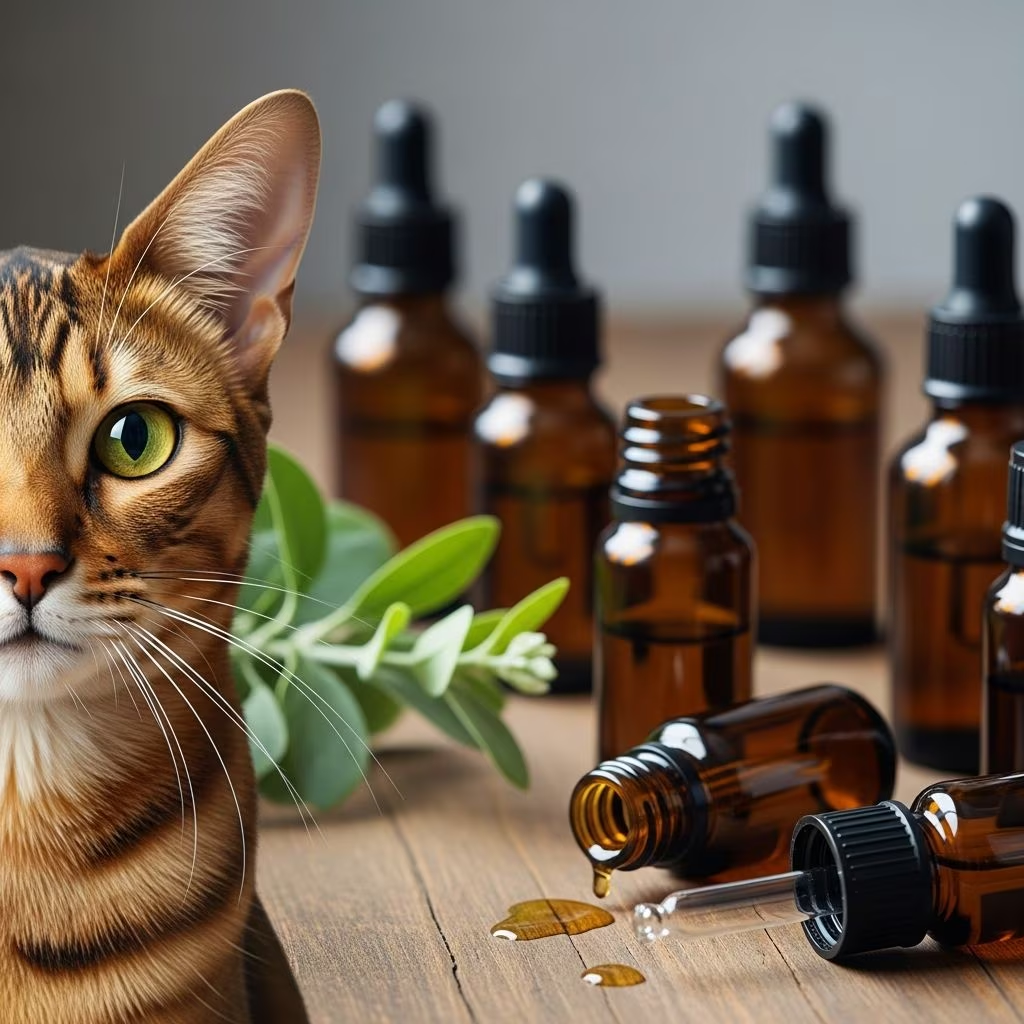
Essential oils have surged in popularity for their aromatic benefits in human wellness, aromatherapy, cleaning, and relaxation. However, for cat owners, these plant-derived concentrates pose significant health risks. Cats lack crucial liver enzymes to metabolize many compounds found in essential oils, leading to rapid absorption through skin, inhalation, or ingestion, and potential toxicity buildup in their system. This article explores why essential oils are dangerous for cats, identifies the most toxic ones, details symptoms of poisoning, outlines prevention strategies, and provides emergency response guidance.
Why Are Essential Oils Toxic to Cats?
Cats’ livers are uniquely equipped for their carnivorous diet but deficient in glucuronyl transferase enzymes necessary to break down phenols, terpenes, and other volatile compounds prevalent in essential oils. These substances accumulate, causing cellular damage, particularly in the liver, lungs, and nervous system. Unlike dogs or humans, even small exposures via diffusers or diluted applications can lead to poisoning because cats are meticulous groomers, ingesting residues from their fur.
Concentration matters: undiluted oils are most hazardous, but aerosolized vapors from diffusers irritate respiratory tracts and deposit on surfaces where cats roam. Kittens, seniors, or cats with pre-existing conditions like asthma or liver disease face amplified risks. A common myth persists that ‘natural’ equals safe, yet many plants toxic to cats yield these oils.
Essential Oils That Are Toxic to Cats
Numerous essential oils can harm cats, but certain ones are notoriously dangerous based on veterinary reports and poison control data. Exposure routes include direct contact, diffusion, or accidental ingestion.
- Tea Tree (Melaleuca) Oil: Causes severe neurological symptoms, ataxia, tremors, and coma even in tiny amounts.
- Wintergreen Oil: Contains methyl salicylate, mimicking aspirin overdose with metabolic acidosis.
- Peppermint Oil: Respiratory irritation, hypersalivation, vomiting.
- Eucalyptus Oil: Lung damage, depression, weak pulse.
- Cinnamon Oil: Oral burns, liver toxicity.
- Citrus Oils (e.g., Lemon, Orange): D-limonene triggers dermatitis and liver strain.
- Pine Oil: Skin irritation, central nervous system depression.
- Ylang Ylang Oil: Muscle weakness, vomiting.
- Clove Oil: Liver failure risk.
- Pennyroyal Oil: Highly hepatotoxic, can cause seizures.
- Sweet Birch Oil: Similar to wintergreen, causes salicylate poisoning.
- Lavender Oil: Though milder, still causes nausea and ataxia in sensitive cats.
Avoid all if possible; no oil is universally safe. Veterinary consensus prioritizes zero exposure.
Symptoms of Essential Oil Poisoning in Cats
Toxicity signs vary by oil, dose, and exposure method but often appear within hours. Early detection is critical as progression can lead to liver failure or respiratory arrest.
| Symptom Category | Specific Signs | Potential Severity |
|---|---|---|
| Respiratory | Coughing, wheezing, rapid/shallow breathing, discharge | High; can exacerbate asthma |
| Neurological | Ataxia (wobbling), tremors, seizures, coma, depression | Critical; requires immediate vet care |
| Gastrointestinal | Drooling, vomiting, diarrhea, loss of appetite | Moderate to severe |
| Skin/Eyes | Burns, redness, pawing at mouth, squinting | Painful; leads to ingestion risk |
| Systemic | Low heart rate, hypothermia, jaundice (liver involvement) | Fatal if untreated |
Monitor closely post-exposure. Cats may hide symptoms initially.
How Do Cats Get Exposed to Essential Oils?
Common scenarios include:
- Diffusers/Humidifiers: Aerosolized oils settle on fur/skin, inhaled directly.
- Topical Application: On humans or pets; cats groom it off.
- Ingestion: Licking spills, potpourri, or treated surfaces.
- Cleaning Products: Oils in sprays transfer via paws.
Even ‘pet-safe’ labels warrant skepticism; consult vets.
What to Do If Your Cat Is Exposed
Act swiftly:
- Remove from Source: Move to fresh air, away from diffuser.
- Do NOT Bathe: Soap may worsen absorption.
- Assess Symptoms: Note oil type, exposure amount/time.
- Contact Vet/Poison Control: ASPCA (888-426-4435) or Pet Poison Helpline (855-764-7661).
- Seek Emergency Care: For any symptoms; IV fluids, activated charcoal, or supportive therapy needed.
Prognosis improves with prompt intervention; delays risk fatality.
Preventing Essential Oil Toxicity in Cats
Safeguard your home:
- Quarantine cats from diffusion areas.
- Store oils locked away.
- Use pet-free zones for oils.
- Wash hands post-use before petting.
- Opt for cat-safe alternatives like pheromone diffusers (Feliway).
- Ventilate thoroughly.
Never apply oils to cats, even diluted.
Are There Any Safe Essential Oils for Cats?
Veterinarians overwhelmingly advise against any essential oils for cats due to unpredictable risks. Some owners anecdotally use heavily diluted rosemary or cedarwood for fleas, but evidence lacks and dangers outweigh. Frankincense or chamomile are touted online but unproven safe; stick to vet-approved products.
Alternatives to Essential Oils for Cat Wellness
Safer options include:
- Pheromone Products: Reduce stress (Feliway).
- Hydrosols: Gentler plant waters (vet-supervised).
- Herbal Supplements: Vet-formulated for digestion/anxiety.
- Environmental Enrichment: Scratching posts, play for mood.
- Prescription Meds: For inflammation/pain.
Frequently Asked Questions (FAQs)
Are essential oil diffusers safe around cats?
No, vapors are inhaled and settle on fur, leading to toxicity. Use in isolated, cat-free rooms with ventilation.
Can I use lavender oil on my cat?
No, it causes vomiting and coordination loss. All oils risky.
What if my cat licked a drop of essential oil?
Rinse mouth gently with water, monitor, call vet immediately.
Is tea tree oil safe diluted for fleas?
No, even diluted, it’s highly toxic causing neurological damage.
How long do essential oil poisoning symptoms last?
Varies; mild cases 24-48 hours, severe require hospitalization.
This comprehensive guide underscores the perils of essential oils for cats. Prioritize safety by avoiding them entirely and consulting veterinarians for wellness needs.
References
- Are Essential Oils Safe for Cats? — PetMD. 2023-10-15. https://www.petmd.com/cat/are-essential-oils-safe-cats
- What to Know About the Risks of Essential Oils for Cats — WebMD. 2024-05-22. https://www.webmd.com/pets/cats/risks-of-essential-oils-for-cats
- Essential Oil and Liquid Potpourri Poisoning in Cats — VCA Animal Hospitals. 2023-11-01. https://vcahospitals.com/know-your-pet/essential-oil-and-liquid-potpourri-poisoning-in-cats
- 10 Essential Oils That Are Dangerous To Your Cat — Happy Tail Servet. 2023-07-10. https://happytailservet.com/blog/10-essential-oils-that-are-dangerous-to-your-cat/
- The Essentials of Essential Oils Around Pets — ASPCA. 2024-02-14. https://www.aspca.org/news/essentials-essential-oils-around-pets



