Essential Oils And Birds: 5 Toxic Oils To Avoid
Discover the risks of essential oils for pet birds and learn safe alternatives to keep your feathered friends healthy.
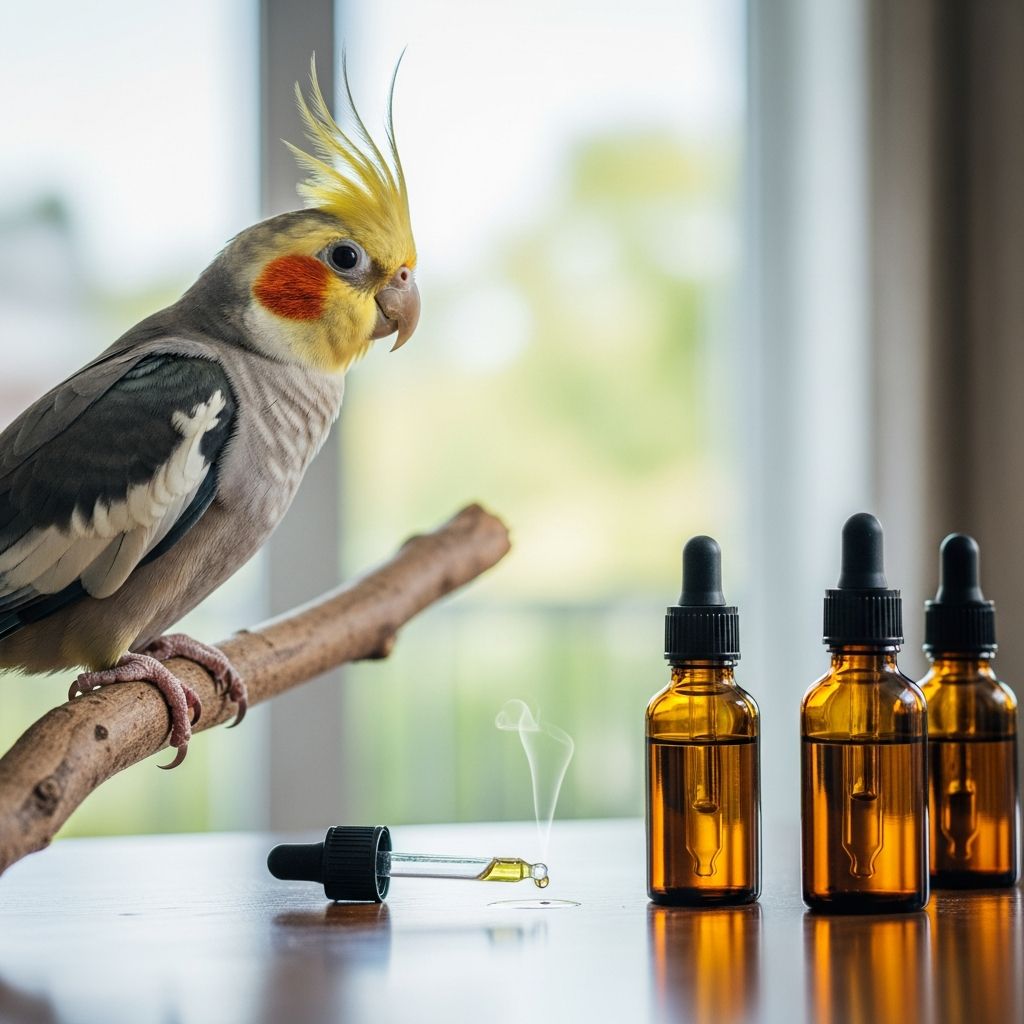
Essential Oils and Birds: Safety Guide
Pet birds require careful environmental management due to their sensitive respiratory systems, making essential oils a potential hazard in households. While popular for human wellness, these concentrated plant extracts can cause severe health issues in birds through inhalation, ingestion, or skin contact.
Why Birds Face Unique Risks from Aromatherapy
Birds possess highly efficient respiratory tracts designed for flight, which allow rapid absorption of airborne particles. This efficiency turns diffusers and vaporizers into direct threats, as aerosolized oils penetrate deep into their lungs. Unlike mammals, birds lack diaphragms and use air sacs for constant airflow, amplifying exposure to volatile compounds.
Organizations like the BC SPCA highlight a surge in essential oil toxicities, linking it to the rise in natural remedy trends among pet owners. Aerosolized oils particularly endanger birds, leading to respiratory distress or worse. The ASPCA echoes this, advising against diffusers in homes with birds due to their delicate airways.
Common Exposure Pathways in Bird Households
Birds encounter essential oils through multiple routes, each carrying distinct dangers:
- Inhalation: Diffusers release fine mists that birds breathe in effortlessly, causing immediate irritation or long-term damage.
- Ingestion: Oils settle on feathers, and birds ingest them during preening, leading to gastrointestinal upset or organ failure.
- Skin Contact: Direct application or spills result in chemical burns, requiring prompt washing with mild soap.
Even passive exposure from human-applied oils can transfer risks if birds perch nearby or nuzzle owners. Pets’ heightened sense of smell—far superior to humans—intensifies discomfort from scents deemed pleasant by people.
Toxic Essential Oils to Avoid Completely
Not all oils carry equal risk; concentration and composition determine severity. Here’s a breakdown of notorious offenders:
| Oil Type | Primary Risks | Effects on Birds |
|---|---|---|
| Tea Tree (Melaleuca) | Neurotoxic phenols | Nervous system depression, even from small amounts |
| Pennyroyal | Liver toxins | Severe hepatic damage |
| Eucalyptus | Respiratory irritants | Pneumonia-like symptoms |
| Peppermint | High volatility | Airway inflammation |
| Cinnamon | Skin and mucosal irritant | Burns and breathing difficulties |
These oils, even diluted, pose threats because birds metabolize compounds differently, lacking certain liver enzymes. Variability in oil quality further complicates safety—no universal ‘safe’ threshold exists.
Diffuser Dangers: A Growing Concern
Ultrasonic diffusers, popular for dispersing oils via water mist, create airborne particles small enough to lodge in avian alveoli. BC SPCA experts note birds’ particular vulnerability, recommending total avoidance in bird-owning homes. ASPCA reinforces this, stating birds may suffer serious complications from any diffuser use.
Placement doesn’t mitigate risks; vapors spread room-wide. Overturning a diffuser spills concentrated oil, inviting ingestion or burns. For multi-pet homes, isolating birds remains impractical given air circulation.
Potential Health Consequences for Exposed Birds
Symptoms emerge rapidly and escalate without intervention:
- Mild: Sneezing, watery eyes, lethargy.
- Moderate: Difficulty breathing, tail bobbing, loss of appetite.
- Severe: Convulsions, respiratory failure, death.
Gastrointestinal signs include vomiting and diarrhea from grooming-ingested oils. Skin exposure causes redness and blistering. Veterinary records show even trace exposures can trigger asthma-like conditions in predisposed birds. Prompt vet contact is essential; treatments involve supportive care like oxygen therapy and fluids.
Debunking Aromatherapy Myths for Birds
Some online forums and product claims suggest certain oils or brands (e.g., doTERRA, Young Living) are bird-safe, often citing anecdotal success or ‘therapeutic grade’ labels. However, no independent veterinary body endorses these for birds. Purity claims don’t address inherent volatility or species-specific toxicities.
Holistic advocates reference natural plant exposures in the wild, but captive birds lack the dilution and transience of forest environments. Books like Aromatherapy for Parrots explore therapeutic uses under strict protocols, yet warn against casual application. Mainstream advice prioritizes caution over experimentation.
Safe Alternatives for Freshening Bird Environments
Skip oils entirely; opt for bird-friendly options:
- Fresh Herbs: Hang safe varieties like mint, rosemary, or basil for natural scents—discard when powdery.
- Vinegar Sprays: Diluted white vinegar neutralizes odors without volatiles.
- Air Purifiers: HEPA filters remove particles and allergens effectively.
- Unscented Products: Use plain candles or no-scent cleaners.
For stress relief, provide foraging toys, misting sessions, or pheromone-free diffusers with plain water. These maintain harmony without health trade-offs.
Best Practices for Multi-Pet Homes
Balance human aromatherapy desires with pet safety:
- Confine diffuser use to bird-free zones with closed doors.
- Wash hands thoroughly after oil contact before handling birds.
- Monitor for symptoms and act swiftly—contact vets or poison hotlines like ASPCA’s (888-426-4435).
- Educate household members on risks, especially with children or visitors.
Pet-proofing extends to storing oils high and locked, preventing spills.
FAQs on Essential Oils and Pet Birds
Can any essential oil be used safely around birds?
No, authoritative sources recommend complete avoidance due to respiratory sensitivities.
What if my bird seems fine after exposure?
Delayed effects occur; monitor closely and consult a vet if concerned.
Are there bird-specific essential oil products?
Claims exist but lack veterinary validation—stick to proven safe methods.
How do I clean oil off my bird?
Use lukewarm water and fragrance-free soap; seek professional avian care immediately.
Is indirect exposure okay, like in another room?
Vapors travel via HVAC; best to eliminate use in bird households.
Expert Recommendations Summary
Veterinary consensus urges erring on caution: forego essential oils where birds reside. Prioritize their health by selecting non-toxic fresheners and maintaining vigilant monitoring. Informed choices safeguard your flock’s vitality long-term.
References
- Safety alert! The dangers of essential oils and pets – BC SPCA — BC SPCA. 2023. https://spca.bc.ca/news/aromatherapy-pets/
- The Essentials of Essential Oils Around Pets – ASPCA — ASPCA. 2023. https://www.aspca.org/news/essentials-essential-oils-around-pets
- Should I Use Essential Oils With My Parrot? – BirdTricks — BirdTricks. 2022. https://birdtricksstore.com/blogs/birdtricksstore.com/blogs/birdtricks-blog/should-i-use-essential-oils-with-my-parrot
Similar Articles








Read full bio of medha deb