

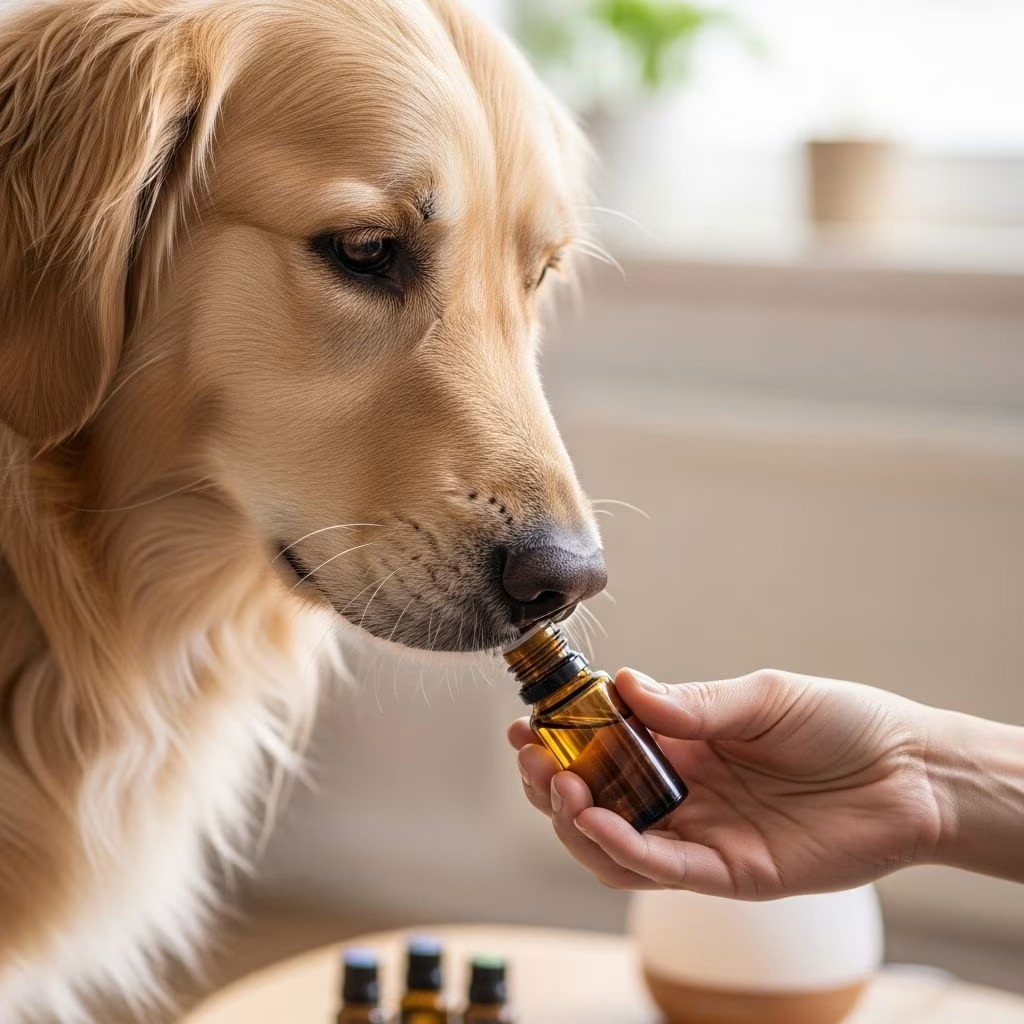
Dogs possess an extraordinary sense of smell, far superior to humans, making scents a powerful influencer of their behaviour and emotional state. Essential oils, concentrated plant extracts, can provide olfactory enrichment that promotes relaxation or stimulates activity, but they also pose risks if misused. This article examines research-backed effects of scents on dogs, safe application methods, and critical precautions to ensure pet safety.
The Power of Scent in a Dog’s World
Dogs have up to 300 million olfactory receptors compared to humans’ 6 million, allowing them to process scents with profound behavioural impacts. Olfactory enrichment uses novel smells to reduce stress in shelter environments or home settings, influencing behaviours like resting, barking, or exploration.
In kennels or unfamiliar spaces, familiar calming scents can lower anxiety indicators such as panting or vocalization. Veterinary sources emphasize that while dogs rely on scent for emotional regulation, their sensitivity requires careful oil selection and dilution.
How Scents Influence Dog Behaviour
Scientific studies demonstrate distinct behavioural responses to specific essential oils. A University of Belfast study exposed 55 shelter dogs to lavender, chamomile, rosemary, and peppermint over five days, using diffused oils outside kennels.
- Lavender and chamomile: Dogs spent more time resting, less time moving, barking, or vocalizing, indicating relaxation.
- Rosemary and peppermint: Increased standing, movement, and vocalization, suggesting stimulation.
A 2024 randomized crossover study with 54 dogs tested an essential oil blend (0, 1, 5, 10 drops on collars) in unfamiliar environments. Only 10 drops significantly reduced panting (p=0.047 vs. control), promoting relaxation without affecting other behaviours. Lower doses showed no effect, highlighting dosage importance.
These findings align with shelter observations where varied scents stimulate brains, preventing habituation and supporting welfare.
Safe Essential Oils for Dogs
Not all oils suit dogs; safe options are mild and backed by evidence for calming effects. Always dilute heavily and consult veterinarians.
| Oil | Effect on Dogs | Safe Use Notes |
|---|---|---|
| Lavender | Promotes rest, reduces barking | Dilute 1-2% in carrier oil; diffuse sparingly |
| Chamomile | Calming, less movement | Use in blends; avoid ingestion |
| Frankincense | Grounding, mild relaxation | Topical diluted; monitor for sensitivity |
PetMD recommends these for dogs when properly diluted, noting individual sensitivities vary. Start with patch tests on small skin areas.
Essential Oils to Avoid for Dogs
Many popular oils are toxic due to phenols, terpenes, and other compounds dogs metabolize poorly, risking liver damage, neurological issues, or respiratory distress.
- Tea tree (Melaleuca): As few as 7 drops cause severe poisoning, weakness, tremors.
- Peppermint: Respiratory irritation, ataxia despite stimulating effects in studies.
- Citrus (lemon, orange): Vomiting, liver damage via skin absorption or ingestion.
- Cinnamon, pine, eucalyptus, wintergreen, ylang ylang: Cause burns, organ failure, nerve damage.
VCA Hospitals lists cinnamon, pennyroyal, pine, and sweet birch as hazardous, absorbed rapidly through skin or orally. Merck Veterinary Manual notes common signs from exposure: vomiting, lethargy, drooling, ataxia.
Signs of Essential Oil Poisoning in Dogs
Early detection saves lives. Symptoms progress from mild to severe quickly, especially in puppies, seniors, or those with liver issues.
Mild Signs
- Mild drooling or lip licking
- Slight agitation or decreased appetite
- Pawing at mouth/face
- Fragrance on breath/coat
Serious Signs (Seek Emergency Vet Care)
- Difficulty breathing, rapid panting, coughing
- Vomiting (oil-scented), persistent drooling
- Lethargy, weakness, uncoordinated gait (ataxia)
- Muscle tremors, low body temperature, pale gums
- Skin burns, redness on gums/lips
Remove exposure source immediately, rinse affected areas with mild soap/water, and contact a vet or poison hotline.
Safe Ways to Use Essential Oils Around Dogs
Follow these guidelines to harness benefits without risks.
- Dilute properly: 0.5-2% in carrier oil (e.g., coconut) for topical; never undiluted.
- Diffuse cautiously: In well-ventilated areas, short sessions (15-30 min), ensure dog can leave room.
- Collar application: 10 drops of safe blend max, as per study.
- Spray bedding/kennels: Mix with water, test small areas.
- Monitor always: Watch for reactions; discontinue if any signs appear.
- Consult professionals: Vets or certified aromatherapists for pet-specific advice.
Avoid during pregnancy, illness, or with brachycephalic breeds sensitive to vapors.
Olfactory Enrichment for Better Welfare
Beyond oils, introduce safe novel scents like herbs or pet-safe sprays to engage dogs’ senses, reducing shelter stress. Variety prevents overstimulation; rotate scents weekly. Combine with behavioural training for optimal results.
Frequently Asked Questions (FAQs)
Can essential oils calm anxious dogs?
Yes, lavender and chamomile reduce panting, barking, and movement in studies, especially at proper doses.
Are there essential oils that energize dogs?
Rosemary and peppermint increase activity and vocalization but are often unsafe; use cautiously or avoid.
What should I do if my dog shows poisoning symptoms?
Remove source, rinse if topical, call vet immediately. Severe signs like tremors require emergency care.
Is diffusing essential oils safe around dogs?
Only safe oils, diluted, in ventilated spaces with escape option. Monitor closely.
How much essential oil is safe on a dog’s collar?
Studies suggest 10 drops of a safe blend max for relaxation effects.
Conclusion: Balance Benefits with Caution
Essential oils offer promising olfactory tools for influencing dog behaviour positively, from calming stressed pets to enriching environments. However, toxicity risks demand strict adherence to safety protocols. Prioritize veterinary guidance and high-quality, pet-safe products for your dog’s wellbeing.
References
- A preliminary investigation into the olfactory effects of essential oil blends on dogs — Springer Nature (PubMed). 2024-07-25. https://pubmed.ncbi.nlm.nih.gov/39066825/
- Essential Oils and Dogs: How Scent Influences Behavior — Kinship. Accessed 2026. https://www.kinship.com/dog-behavior/essential-oils-and-dogs-how-scent-influences-behavior
- Bad Essential Oils for Dogs: Emergency Signs and What to Do — GSVS.org. Accessed 2026. https://gsvs.org/blog/bad-essential-oils-for-dogs-emergency-signs/
- The Hidden Dangers of Essential Oils for Pets — Independence Veterinary Clinic. Accessed 2026. https://independenceveterinaryclinic.com/the-hidden-dangers-to-your-pets-from-essential-oils/
- Essential Oil and Liquid Potpourri Poisoning in Dogs — VCA Animal Hospitals. Accessed 2026. https://vcahospitals.com/know-your-pet/essential-oil-and-liquid-potpourri-poisoning-in-dogs
- Are Essential Oils Safe for Dogs? 7 To Use and 12 to Avoid — PetMD. Accessed 2026. https://www.petmd.com/dog/general-health/are-essential-oils-safe-for-dogs
- Toxicoses From Essential Oils in Animals — Merck Veterinary Manual. Accessed 2026. https://www.merckvetmanual.com/toxicology/toxicoses-from-household-hazards/toxicoses-from-essential-oils-in-animals



