

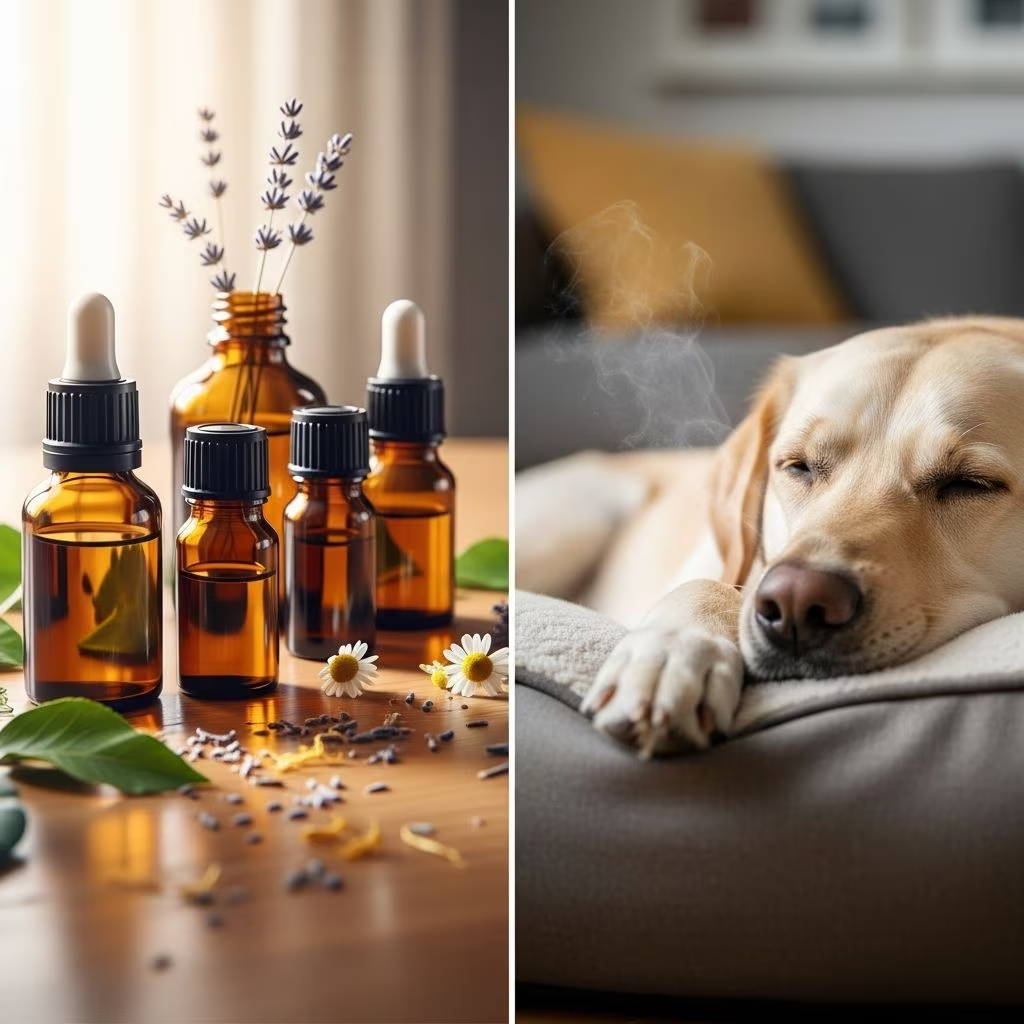
Dogs experience the world primarily through their sense of smell, which is 10,000 to 100,000 times more sensitive than humans’. Essential oils, concentrated plant extracts, can profoundly affect canine behavior by stimulating the olfactory system. Research shows certain scents like lavender promote relaxation, while others like peppermint increase activity. However, not all oils are safe—many pose toxicity risks. This article examines scientific studies, safe applications, dangerous oils, and practical tips for using scents to enhance dog welfare.
How Scents Influence Dog Behavior
Dogs’ olfactory bulbs occupy a large portion of their brains, making scent a powerful behavioral modulator. Olfactory enrichment—introducing novel smells—can reduce stress in shelters and homes. A landmark study at Queen’s University Belfast exposed 55 shelter dogs to lavender, chamomile, rosemary, and peppermint via diffusers for four hours daily over five days, with two-day washes between scents. Control groups had no added odors.
**Key Findings from the Belfast Study:**
- Lavender and Chamomile: Dogs spent more time resting and less time moving, barking, or vocalizing. These scents significantly calmed caged animals.
- Rosemary and Peppermint: Increased standing, moving, and vocalizing, suggesting energizing effects.
Shelter staff like Greaney noted calmer dogs the day after lavender spraying outside kennels, attributing benefits to scent variety for brain stimulation. A 2024 study reinforced this: 54 dogs in unfamiliar environments showed reduced panting (a stress indicator) with 10 drops of an essential oil blend on collars, versus lower doses or controls (χ²(3)=9.88; p=0.020). No effects on other behaviors, but it highlights concentration matters for low-anxiety dogs.
The Science Behind Olfactory Enrichment for Dogs
Olfactory enrichment mimics natural scent exploration, reducing boredom and anxiety. Dogs in barren environments like shelters benefit most, as scents activate reward pathways similar to food or play. The Belfast study used water-diluted oils sprayed non-aerosol outside kennels, observing delayed calming effects.
Recent research (2024) used a randomized crossover design: dogs entered novel rooms after collar application of 0, 1, 5, or 10 drops of a blend. C-BARQ questionnaires confirmed low baseline anxiety. Only 10 drops significantly cut panting (p=0.047 vs. control), indicating relaxation without sedation. Lower doses failed, stressing dosage precision.
Mechanisms involve limbic system activation: calming scents like lavender (linalool) lower cortisol; stimulants like peppermint (menthol) heighten alertness. Variety prevents habituation, per shelter observations.
Safe Essential Oils for Dogs
Not all oils suit dogs, but veterinary-approved ones offer benefits when diluted and diffused properly. Always consult vets, especially for puppies, seniors, or health-compromised dogs.
| Oil | Effect on Behavior | Safe Use Method | Evidence |
|---|---|---|---|
| Lavender | Calming, reduces barking/movement | Diffuse diluted (1-2 drops/oz water); collar spot (1 drop) | Belfast study; common in enrichment |
| Chamomile | Rest-promoting, anti-anxiety | Same as lavender | Belfast study |
| Frankincense | Grounding, stress relief | Diffuse only; highly dilute | Vet anecdotal; PetMD safe list |
| Cedarwood | Mild calming, focus aid | Diffuse or collar (diluted) | PetMD safe |
**Usage Guidelines:** Start low (1 drop per 100 sq ft diffusion). Monitor 15-30 minutes. Ventilate rooms. Never apply undiluted to skin—mix 1:10 with carrier oil (coconut). Avoid ingestion.
Dangerous Essential Oils for Dogs
Many popular oils are toxic due to phenols, terpenes, and monoterpenes dogs metabolize poorly via liver pathways. Puppies and liver-impaired dogs are vulnerable. VCA Hospitals notes rapid absorption orally/skin, causing GI upset to organ failure.
**High-Risk Oils and Effects:**
- Tea Tree (Melaleuca): 7 drops cause severe poisoning—CNS depression, tremors, coma.
- Peppermint: Energizing for humans but irritates canine airways, causes ataxia.
- Citrus (Lemon/Orange): Vomiting, diarrhea, liver damage via skin/ingestion.
- Eucalyptus/Pine/Wintergreen: Respiratory distress, liver failure.
- Cinnamon/Ylang Ylang: Burns, GI ulcers.
Merck Veterinary Manual lists common signs: vomiting, lethargy, drooling, ataxia, anorexia from ingestion/dermal exposure.
Signs of Essential Oil Toxicity in Dogs
Early detection saves lives. Symptoms progress rapidly.
- Mild/Early: Drooling, lip-licking, mild agitation, decreased appetite, pawing face.
- Serious: Vomiting (oil-scented), difficulty breathing/panting, weakness, tremors, uncoordinated gait, pale gums, low temp.
- Critical: Seizures, coma, organ failure (liver/kidney).
PetMD and VCA emphasize: fragrance on coat/breath signals exposure. Call vet or poison hotline immediately—do not wait for worsening.
Safe Ways to Introduce Scents to Your Dog
Follow these vet-backed protocols:
- Diffuse Safely: Use pet-safe diffusers in well-ventilated areas. 15-30 min sessions, 1-2 drops safe oils.
- Collar Application: 1-10 drops blend on fabric collar (not skin). Test low dose.
- Sprays: Dilute 1:10 water, mist environment (not dog). Lavender post-stress.
- Enrichment Toys: Infuse Kongs with diluted chamomile water.
- Monitor: Watch behavior 30 min post-exposure. Discontinue if panting increases.
Independence Veterinary advises against topical on cats/dogs without vet OK; prioritize inhalation.
Expert Tips from Veterinarians and Trainers
Dr. [from sources]: “Lavender is mild for relaxation, but always dilute.” Shelters rotate scents weekly for sustained benefits. For anxious dogs, combine with CBD or training—scents adjunct only.
Frequently Asked Questions (FAQs)
Are essential oils safe for dogs?
Some like lavender are safe diluted/diffused; avoid toxic ones (tea tree, peppermint). Consult vet.
Can lavender calm my anxious dog?
Yes—studies show reduced barking/resting increase in shelters.
What if my dog shows drooling after oil exposure?
Call vet immediately—early toxicity sign.
How much essential oil on a dog’s collar?
10 drops blend max for relaxation effect; start with 1.
Can I diffuse oils with my dog in the room?
Yes, ventilated, low dose safe oils. Monitor breathing.
Conclusion: Harnessing Scent for Better Canine Welfare
Essential oils offer a natural way to influence dog behavior, with lavender/chamomile calming and others stimulating. Backed by studies like Belfast (2005) and recent collar trials, benefits are clear for welfare. Prioritize safety: avoid toxics, dilute properly, observe closely. Consult professionals for tailored use.
References
- A preliminary investigation into the olfactory effects of essential oil blends on dogs — Scientific Reports (Springer Nature). 2024-07-26. https://pubmed.ncbi.nlm.nih.gov/39066825/
- Bad Essential Oils for Dogs: Emergency Signs and What to Do — GSVS.org. 2023. https://gsvs.org/blog/bad-essential-oils-for-dogs-emergency-signs/
- Essential Oils and Dogs: How Scent Influences Behavior — Kinship.com. Accessed 2026. https://www.kinship.com/dog-behavior/essential-oils-and-dogs-how-scent-influences-behavior
- The Hidden Dangers of Essential Oils for Pets — Independence Veterinary Clinic. 2023. https://independenceveterinaryclinic.com/the-hidden-dangers-to-your-pets-from-essential-oils/
- Essential Oil and Liquid Potpourri Poisoning in Dogs — VCA Animal Hospitals. Accessed 2026. https://vcahospitals.com/know-your-pet/essential-oil-and-liquid-potpourri-poisoning-in-dogs
- Are Essential Oils Safe for Dogs? 7 To Use and 12 to Avoid — PetMD. Accessed 2026. https://www.petmd.com/dog/general-health/are-essential-oils-safe-for-dogs
- Toxicoses From Essential Oils in Animals — Merck Veterinary Manual. Accessed 2026. https://www.merckvetmanual.com/toxicology/toxicoses-from-household-hazards/toxicoses-from-essential-oils-in-animals



