
Essential Nutrition For Dogs And Cats: 6 Feeding Tips
Discover the vital dietary needs of dogs and cats across life stages to ensure optimal health and prevent deficiencies.
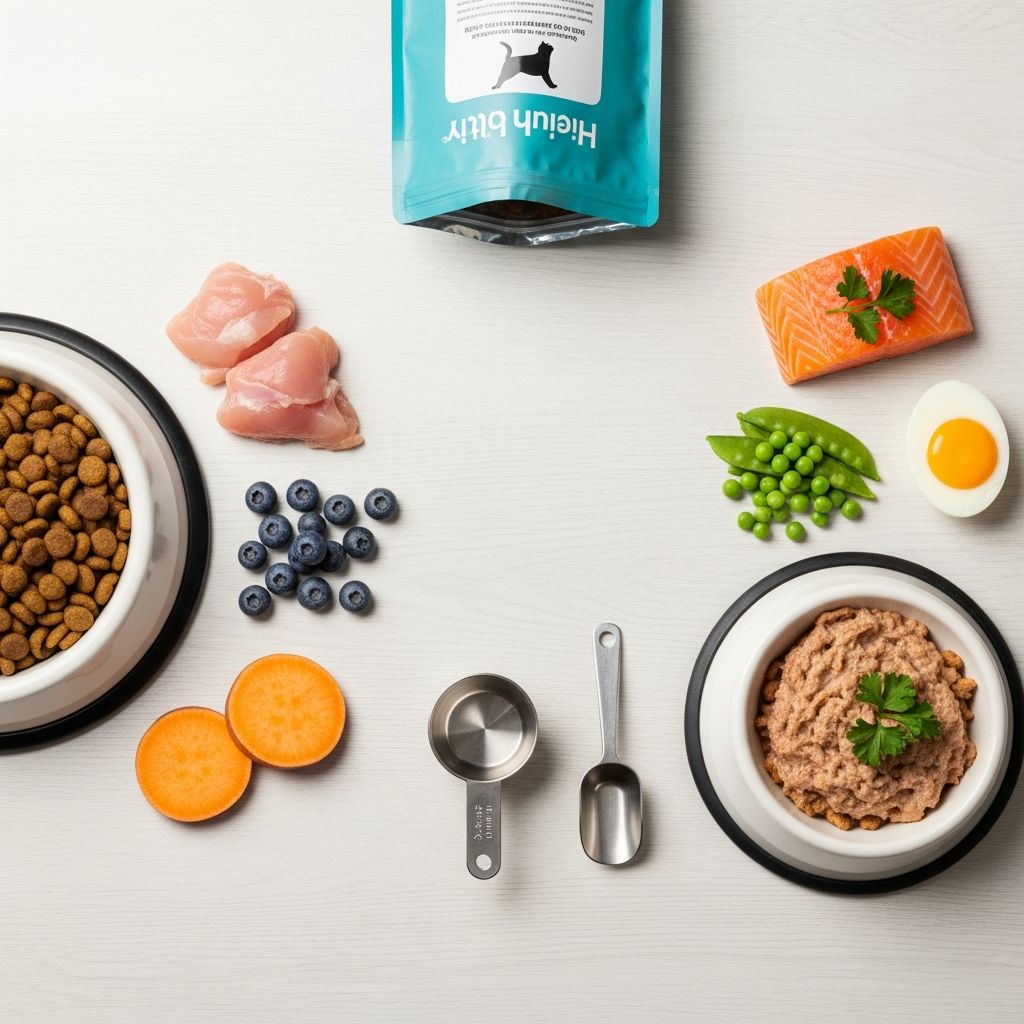
Dogs and cats thrive when provided with diets that meet their precise nutritional demands, varying by age, activity, and health status. Proper feeding supports growth, reproduction, maintenance, and disease prevention, with guidelines from authoritative bodies like AAFCO and NRC ensuring balanced intake.
The Foundation: Water and Basic Nutrient Categories
Water stands as the cornerstone of pet health, far more critical than any other element since dehydration can prove fatal within days. Pets must have constant access to clean, fresh water to regulate body temperature, aid digestion, and transport nutrients.
Nutrients fall into six primary groups: water, proteins, fats, carbohydrates, vitamins, and minerals. Only proteins, fats, and carbohydrates supply calories; the others facilitate metabolic processes without providing energy. Understanding these categories helps pet owners select foods that align with species-specific needs, as cats demand certain components absent in dog formulas.
Proteins: Building Blocks for Growth and Repair
Proteins supply amino acids essential for muscle development, enzyme production, and immune function. Dogs require ten essential amino acids: arginine, histidine, isoleucine, leucine, lysine, methionine, phenylalanine, threonine, tryptophan, and valine. Cats need all these plus taurine, which they cannot synthesize adequately.
Deficiencies in taurine can lead to severe issues like heart disease and vision loss in cats, underscoring the peril of cross-feeding diets. Protein needs escalate during growth and reproduction: puppies and lactating bitches benefit from higher levels, while adult maintenance requires less.
| Life Stage | Dogs (AAFCO % DM / g/1000 kcal ME) | Cats (AAFCO % DM / g/1000 kcal ME) |
|---|---|---|
| Growth/Reproduction | 22.5% / 56.3g | 30% / 75g |
| Adult Maintenance | 18% / 45g | 26% / 65g |
These benchmarks, derived from AAFCO, ensure sufficiency while NRC offers slightly varied figures based on metabolizable energy. Kittens prove particularly sensitive to protein quality, demanding precise amino acid balances.
Fats: Energy Powerhouses and Essential Fatty Acids
Fats deliver concentrated energy and aid absorption of fat-soluble vitamins. Both species need linoleic acid, an omega-6 fatty acid from plant oils like corn or soy. Cats uniquely require arachidonic acid, sourced from animal tissues such as meat or eggs, as they inefficiently convert linoleic acid.
Adequate fats support skin health, coat quality, and hormone production. During high-energy phases like lactation, fats prevent excessive weight loss and bolster milk output.
Carbohydrates: Optional but Valuable Energy Sources
Unlike obligate carnivores like cats, dogs can utilize carbohydrates effectively. These become crucial during intense periods such as puppy growth or bitch lactation, where 20-30% of energy from carbs enhances pup survival and maternal condition. For queens, at least 10% digestible carbs in dry matter aids lactation efficiency.
Highly digestible carbs spare proteins for growth rather than energy, optimizing overall nutrition.
Vitamins: Micro-Nutrients for Metabolic Health
Vitamins regulate countless bodily functions. Cats cannot convert precursors to active vitamin A, necessitating preformed sources from liver or fish oil, unlike dogs. They also demand higher niacin and B6. Deficiencies manifest as skin issues, poor vision, or neurological problems, emphasizing complete diets.
Minerals: Balancing Macro and Trace Elements
Macrominerals like calcium, phosphorus, sodium, potassium, and magnesium are needed in grams daily, while trace minerals (iron, zinc, copper, iodine, selenium) suffice in milligrams or micrograms. Calcium and phosphorus ratios matter greatly: dogs optimal at 1.2-1.4:1, with AAFCO allowing 1:1 to 2.1:1. Imbalances risk skeletal deformities in growing pups.
During growth, pregnancy, and nursing, both minerals increase. Toy breeds face heightened risks from overfeeding, potentially causing excesses.
Life Stage-Specific Feeding Strategies
Puppies and Kittens: Fueling Rapid Development
Young animals need elevated proteins, fats, and minerals. Puppies 4-14 weeks require 45g protein/1000 kcal ME per NRC, dropping to 35g post-14 weeks. Kittens match adult cat profiles at 45g/1000 kcal but prioritize quality. Frequent small meals suit tiny stomachs in toy breeds.
Adult Maintenance: Sustaining Health
Adults focus on balance to prevent obesity. Dogs need ~20g protein/1000 kcal, cats 40g. Energy adjusts for neuter status and activity.
Reproduction and Lactation: Heightened Demands
Gestating or nursing pets require 1.5-3x maintenance energy, with carbs and fats buffering maternal reserves.
Special Considerations for Toy and Small Breeds
Toy dogs (<20 lbs) metabolize faster, needing calorie-dense, nutrient-packed kibble in small pieces. Their limited stomach capacity demands high digestibility and antioxidants for longevity. Feed 3+ meals daily for pups under 4 months, limiting treats to avoid mineral imbalances.
Guideline Authorities and Global Standards
AAFCO sets U.S. profiles on dry matter or kcal bases. NRC (2006) details life stages. FEDIAF provides EU minima with safety margins, recommending levels for complete foods. WSAVA stresses tailored plans.
| Nutrient | FEDIAF Dog Adult (g/1000 kcal) | FEDIAF Cat Adult (g/1000 kcal) |
|---|---|---|
| Calcium | 0.50 | 0.80 |
| Phosphorus | 0.40 | 0.70 |
| Ca:P Ratio | 1-2:1 | 1-2:1 |
Practical Feeding Tips for Optimal Health
- Provide constant fresh water; monitor intake to detect issues early.
- Choose AAFCO-labeled ‘complete and balanced’ foods matching life stage.
- Avoid dog food for cats due to taurine, arachidonic acid gaps.
- Divide meals: 2-3 daily for adults, more for young/small breeds.
- Transition diets gradually over 7-10 days.
- Consult vets for weight, body condition scores per AAHA guidelines.
Frequently Asked Questions (FAQs)
Can I feed dog food to my cat?
No, cats risk deficiencies in taurine, vitamin A, and arachidonic acid from dog formulas.
How much protein does my adult dog need?
Minimum 18% dry matter or 45g/1000 kcal ME per AAFCO.
What’s the ideal calcium-phosphorus ratio for puppies?
Around 1.2-1.4:1 for dogs, within 1:1 to 2.1:1.
Do toy dogs need special food?
Yes, nutrient-dense, small-kibble diets for their high energy needs and small stomachs.
How often should I feed my kitten?
4-6 small meals daily initially, reducing as they grow.
Monitoring and Adjusting Diets
Regular assessments via body condition scoring ensure caloric adequacy. Tools from BSAVA or AAHA aid vets in tailoring plans. Adjust for activity, sterilization, or health conditions like renal disease requiring moderated protein.
Antioxidants benefit long-lived small breeds. FEDIAF annexes guide ration calculations.
References
- Nutritional Requirements of Small Animals — Merck Veterinary Manual. 2023. https://www.merckvetmanual.com/management-and-nutrition/nutrition-small-animals/nutritional-requirements-of-small-animals
- Nutritional Considerations for Toy and Small Dogs — VCA Animal Hospitals. 2023. https://vcahospitals.com/know-your-pet/nutritional-considerations-for-toy-and-small-dogs
- FEDIAF Nutritional Guidelines — European Pet Food Industry Federation. 2024-09-01. https://europeanpetfood.org/wp-content/uploads/2024/09/FEDIAF-Nutritional-Guidelines_2024.pdf
- BSAVA Guide to Nutrition in Small Animal Practice — British Small Animal Veterinary Association. 2023. https://www.bsava.com/article/bsava-guide-to-nutrition-in-small-animal-practice-available-now/
- AAHA Nutritional Assessment Guidelines for Dogs and Cats — American Animal Hospital Association. 2022. https://www.aaha.org/wp-content/uploads/globalassets/02-guidelines/nutritionalassessment/nutritionalassessmentguidelines.pdf
Similar Articles








Read full bio of Sneha Tete


