

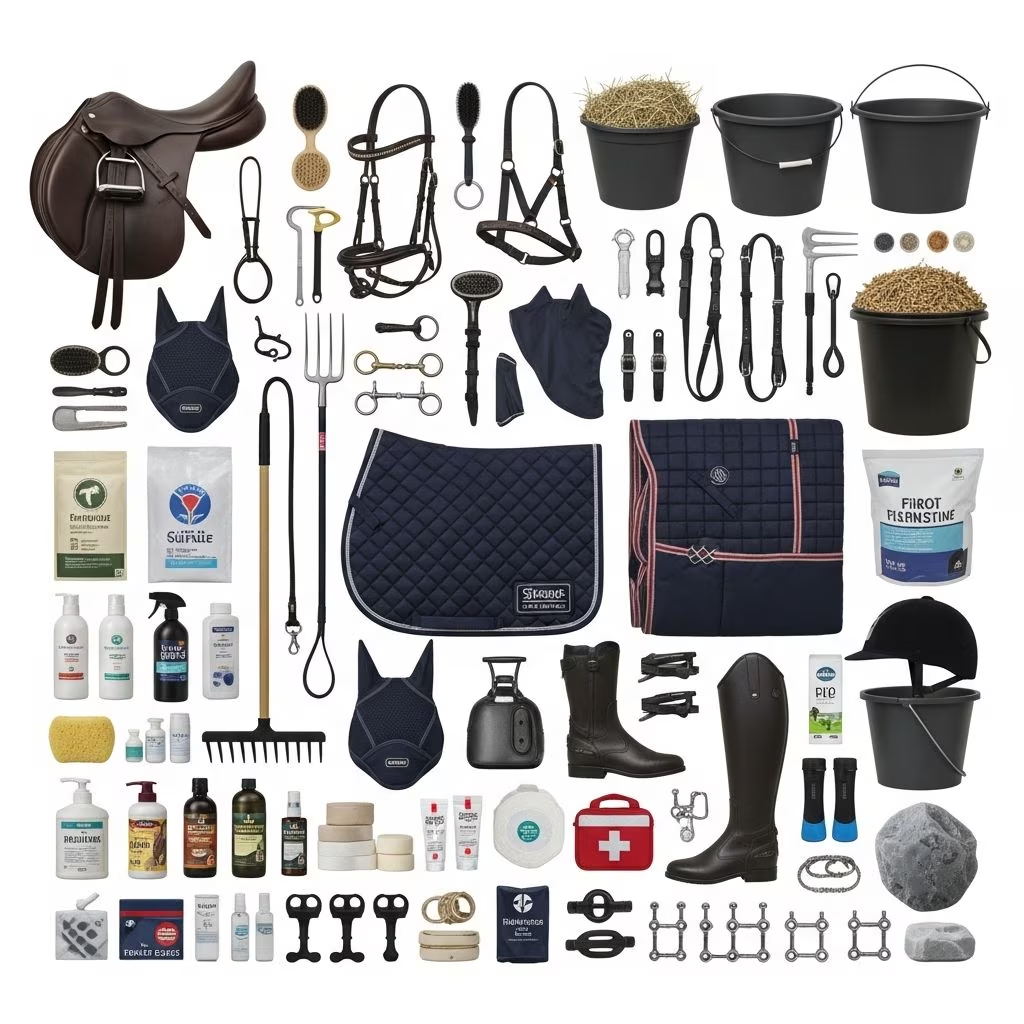
40 Essential Horse Supplies: Complete Guide for New Horse Owners
Becoming a horse owner is an exciting journey, but it requires careful preparation and investment in quality equipment. Whether you’re setting up your first barn or expanding your existing operation, having the right supplies is crucial for your horse’s health, safety, and comfort. This comprehensive guide covers the 40 essential horse supplies every owner should have on hand, organized by category to help you prioritize your purchases and build a well-equipped equestrian facility.
Feeding Equipment Essentials
Proper feeding equipment is fundamental to maintaining your horse’s health and nutrition. Choosing the right feeders and water systems ensures your horse receives adequate nutrition while preventing injury and waste.
Choosing the Right Horse Feeders
When selecting feeders for your horse, safety and durability should be your primary concerns. Soft rubber feeders are highly recommended because they’re durable, safe, and long-lasting. These feeders reduce the risk of injury compared to traditional metal buckets with hooks, which can cause significant harm if a horse becomes caught or steps on them during feeding time. Rubber feeders are easier to clean, resist damage from horse teeth, and provide a safer feeding environment overall.
If your horse has a tendency to eat too quickly, slow feeders offer an excellent solution. Hay bags and nets with mesh designs slow down consumption, promoting better digestion and reducing the risk of colic. Hay racks mounted in stalls also serve this purpose while keeping hay contained and reducing waste scattered across the stall floor.
Water Systems and Storage
Access to fresh, clean water is essential for equine health. You have several options for providing water to your horses. Traditional water troughs work well for pasture environments, while buckets are suitable for stalls. Automatic waterers offer convenience and ensure constant access to fresh water. During winter months, heated buckets, de-icers, and heating systems prevent water from freezing, ensuring your horse drinks adequate amounts throughout cold weather.
For feed storage, select containers that effectively keep moisture and insects out. Proper storage maintains feed quality, prevents contamination, and protects your investment in quality nutrition.
Grooming Tools and Equipment
Regular grooming is essential for your horse’s health, appearance, and your ability to bond with your animal. A comprehensive grooming kit includes various tools designed for different coat, mane, and tail care tasks.
Essential Grooming Supplies
Every horse owner should maintain a complete grooming toolkit with these essential items:
Curry comb: This tool removes dirt, dead hair, and sweat from your horse’s coat. The curved design fits comfortably in your hand and works effectively on muscular areas.
Dandy brush: Used after the curry comb, this stiff-bristled brush removes the loosened dirt and hair from the coat, further cleaning your horse’s skin.
Finishing brush: With soft bristles, this brush adds shine to your horse’s coat and provides a gentle final touch to grooming sessions.
Mane and tail brush or comb: Specialized tools for detangling and maintaining your horse’s mane and tail without causing breakage.
Face brush: A soft, smaller brush designed specifically for the sensitive facial area.
Hoof pick: Essential for removing packed dirt, stones, and debris from your horse’s hooves. Regular hoof cleaning prevents infections and maintains hoof health.
Clippers: Used for trimming excess hair, particularly during seasonal transitions and for preparing your horse for showing.
Bathing and Coat Care
Beyond basic grooming tools, include horse shampoo, detangler, and a sponge with sweat scraper in your grooming kit. These items help maintain a clean, healthy coat and prepare your horse for riding or showing. Fly spray provides essential protection during warmer months, keeping insects at bay and improving your horse’s comfort.
First Aid Supplies and Wound Care
Every horse owner needs a well-stocked first aid kit to handle minor injuries and manage health concerns until professional veterinary care is available.
Core First Aid Items
Build your equine first aid kit with these essential supplies:
Thermometer: A digital thermometer allows you to monitor your horse’s temperature and detect fever or illness early.
Gloves: Latex gloves protect both you and your horse during first aid treatment, maintaining hygiene and preventing cross-contamination.
Bandage scissors: These specialized scissors make it easy to cut bandages before application and remove them without causing discomfort or injury.
Gauze: Both gauze pads and rolls are essential for cleaning wounds and providing protective dressings that allow proper healing.
Surgical scrub or solution: Chlorhexidine or dilute betadine solutions clean and disinfect wounds, preventing infection and promoting healing.
Non-adherent dressings: These specialized dressings prevent sticking to wounds while protecting sensitive tissue during healing.
Vet wrap: Flexible, self-adhering bandage material provides support and protection for wounds and injuries.
Elastikon tape: This strong, adhesive tape secures bandages and dressings in place effectively.
Wound spray: Products such as Vetericyn® or Silver Honey® promote healing and provide antimicrobial protection for minor cuts and abrasions.
Poultice pads: These simplify applying poultices—soft, moist masses containing herbs or medicinal substances—to fight inflammation, infection, and soreness.
Standing wrap: Leg wraps prevent stocking up (swelling in the legs) when your horse is confined to the stall or trailer for extended periods.
NSAIDs: If prescribed by your veterinarian, keep pain management medications such as Banamine® or phenylbutazone on hand for emergency use.
Horse Tack and Riding Equipment
Quality tack is fundamental to safe, comfortable riding for both horse and rider. Understanding basic tack components helps ensure you select appropriate equipment for your riding discipline.
Essential Tack Components
Bridle: This primary control device directs your horse during riding. A bridle includes a headpiece, browband, noseband, cheek piece, throatlatch, bit, and reins. Different types of bridles suit various disciplines, including dressage, snaffle, and bitless options. A headstall serves a similar purpose but lacks the noseband.
Saddle: One of the most significant tack investments, a saddle serves as your seat while riding. Saddles must fit both the horse and rider properly for safety and comfort. Proper measurement ensures weight distribution and prevents injury to the horse’s back.
Saddle pads: Worn under the saddle, these protective layers provide cushioning for your horse’s back. They keep dirt and perspiration away from the saddle, prevent chafing and heat buildup, and protect the saddle itself from damage. Most riders maintain at least two saddle pads to ensure one is always available while the other dries.
Girth or cinch: This essential piece holds the saddle securely in place around your horse’s barrel. Girths come in various widths and materials to suit different saddle types and riding disciplines.
Halter and lead rope: Used for leading, tying, and groundwork, a quality halter should include a leather breakaway strap if you plan to leave it on unattended horses. This safety feature releases should the horse become caught. Use nylon halters only during supervised handling.
Rider Safety and Protective Gear
Riding helmet: A properly fitted helmet is non-negotiable for rider safety. Modern helmets meet safety standards and significantly reduce the risk of head injury during falls.
Riding boots: Specialized boots provide ankle support, prevent feet from slipping through stirrups, and protect legs from equipment friction.
Safety vest: These protective vests absorb impact from falls, reducing rib and torso injuries. Many competitive riders now require them.
Riding pants or chaps: Designed for comfort and durability, riding-specific pants and chaps provide protection and reduce chafing during extended riding sessions.
Gloves: Riding gloves improve grip on reins, protect hands from blisters, and provide weather protection.
Tack Care and Maintenance
Invest in tack cleaning supplies to maintain your equipment properly. A quality tack cleanser spray, leather conditioner such as Belvoir or Effax Leather Balsam, natural sponges, and boot polish keep your tack functional and attractive for years. Proper maintenance prevents leather deterioration and extends equipment lifespan significantly.
Stable Supplies and Barn Maintenance
Maintaining a clean, safe stable environment is essential for your horse’s health and your daily operational efficiency. According to equestrian experts, the specific stable supplies needed vary depending on your horse’s housing situation, but several items are universally important.
Essential Stall Cleaning Equipment
Pitchfork: This specialized tool removes manure from stalls without wasting bedding, as shavings fall through the tines. Choose a pitchfork with a comfortable handle made from lightweight yet durable materials. Many quality pitchforks offer replacement heads for long-term use.
Shovel: A versatile tool for moving bedding, removing waste, and clearing snow. Select a shovel made from durable materials that’s lightweight for easy handling during frequent use.
Broom: A durable outdoor broom quickly cleans wet and dry debris from stall floors. For heavier debris and larger messes, use a push broom to complete the job more efficiently.
Wheelbarrow: This essential equipment collects and transports waste from stalls while also moving clean materials like bedding. Choose a wheelbarrow that’s easy to maneuver to reduce strain when transporting heavy loads.
Muck bucket: Used for removing waste during stall cleaning, select a muck bucket made from tough materials with durable handles designed for lifting and carrying heavy materials.
Additional Stable Infrastructure
Beyond daily cleaning equipment, your stable requires several foundational elements. Multiple feed and water buckets ensure your horse never runs out of either resource. A sturdy hose and tub system allows for bathing and cleaning. Quality fencing keeps your horse contained safely, while adequate shelter protects from weather elements. A box fan in summer stalls improves air circulation and keeps horses comfortable during hot months.
Comprehensive Horse Supply Checklist
Use this organized checklist to ensure you have all necessary supplies:
Grooming and Care: Curry comb, dandy brush, finishing brush, mane and tail brush, face brush, hoof pick, clippers, shampoo, detangler, sponge, sweat scraper, and fly spray.
Feeding and Watering: Rubber feeders, slow hay feeders, water buckets, troughs, automatic waterers, heated buckets, feed storage containers, and feed scoop.
First Aid: Thermometer, gloves, scissors, gauze, surgical scrub, non-adherent dressings, vet wrap, elastikon tape, wound spray, poultice pads, standing wraps, and NSAIDs (if prescribed).
Tack and Riding: Bridle, bit, saddle, saddle pads, girth, halter, lead rope, helmet, boots, safety vest, pants, chaps, and gloves.
Stable Equipment: Pitchfork, shovel, broom, wheelbarrow, muck bucket, bedding, fencing, shelter, and fan.
Tack Maintenance: Cleanser spray, leather conditioner, sponges, and polish.
Selecting Quality Supplies on Your Budget
When starting your horse ownership journey, the variety of supplies can feel overwhelming and expensive. Prioritize purchasing items in this order: safety equipment (helmet, boots, safety vest), essential tack (bridle, saddle, saddle pads), feeding equipment (feeders, buckets), basic grooming tools, and first aid supplies. You can expand your collection over time as your needs and budget allow.
Invest in quality where safety matters most—riders’ protective gear, tack, and stable equipment. Less expensive options may suffice for some grooming tools and cleaning supplies, but compromising on rider safety or tack quality creates unnecessary risks.
Creating Your Tack Room
Organizing your supplies in a dedicated tack room keeps equipment clean, protected, accessible, and organized. Install bridle hooks and racks specifically designed for your bridles. Use shelving for feed, first aid supplies, and grooming tools. Blanket storage racks protect your horse’s blankets from dust and damage. A workspace area makes tack cleaning and maintenance easier.
Frequently Asked Questions
Q: How often should I replace my horse grooming tools?
A: Quality grooming tools can last for years with proper care. Replace them when bristles fall out, handles crack, or the tool no longer functions effectively. Regularly cleaning your tools extends their lifespan significantly.
Q: Can I use human first aid supplies for my horse?
A: While some items like gloves and scissors work for both humans and horses, equine-specific wound care products are formulated for their unique skin and healing processes. Always consult your veterinarian before using human products on your horse.
Q: What type of saddle is best for a new horse owner?
A: An all-purpose saddle offers versatility for different riding activities and disciplines. However, the best saddle for you depends on your riding style, body type, and your horse’s conformation. Professional fitting is recommended for your first saddle purchase.
Q: How do I know if my horse feeder is safe?
A: Safe feeders have no sharp edges, hooks, or protrusions that could injure your horse. Soft rubber feeders and mounted feed pans are safer than traditional buckets with hooks. Ensure whatever feeder you choose is securely fastened and cannot tip over.
Q: Should I buy individual first aid items or a pre-assembled kit?
A: Pre-assembled kits offer convenience and ensure you have basic supplies, but building your own kit allows customization based on your specific needs and your veterinarian’s recommendations. Many horse owners combine both approaches, starting with a kit and adding specialized items over time.
Q: What’s the difference between a halter and a headstall?
A: A halter is used for leading and groundwork, featuring a noseband. A headstall (part of the bridle) is used for riding and directing your horse, also including a noseband. Both serve different purposes in horsemanship.
Q: How many saddle pads do I need?
A: Most riders maintain at least two saddle pads so one is available while the other dries and recovers after use. Having multiple pads also allows you to adjust thickness based on weather and your horse’s needs.
References
- The 40 Best Supplies for a Horse: New Horse Owner Checklist — Chewy. 2025. https://www.chewy.com/education/horse/tack-and-stable/supplies-for-a-horse
- The Horse Owner’s Shopping List of Essential Horse Supplies — Equus Magazine. 2023-08-08. https://mynewhorse.equusmagazine.com/2023/08/08/the-horse-owners-shopping-list-of-essential-horse-supplies/
- Horse Supply Checklist — My Right Horse. 2025. https://www.myrighthorse.org/equipment
- Essential Guide to Horse Tack — Farm House Tack. 2025. https://www.farmhousetack.com/blogs/barn-blog/essential-guide-to-horse-tack
- Horse Tack Room Essentials: A Complete Guide — Vetericyn. 2025. https://vetericyn.com/blogs/vetericyn/tack-room-horse



