Essential Horse Grooming Techniques for Optimal Care
Master the fundamentals of equine grooming for a healthier, happier horse
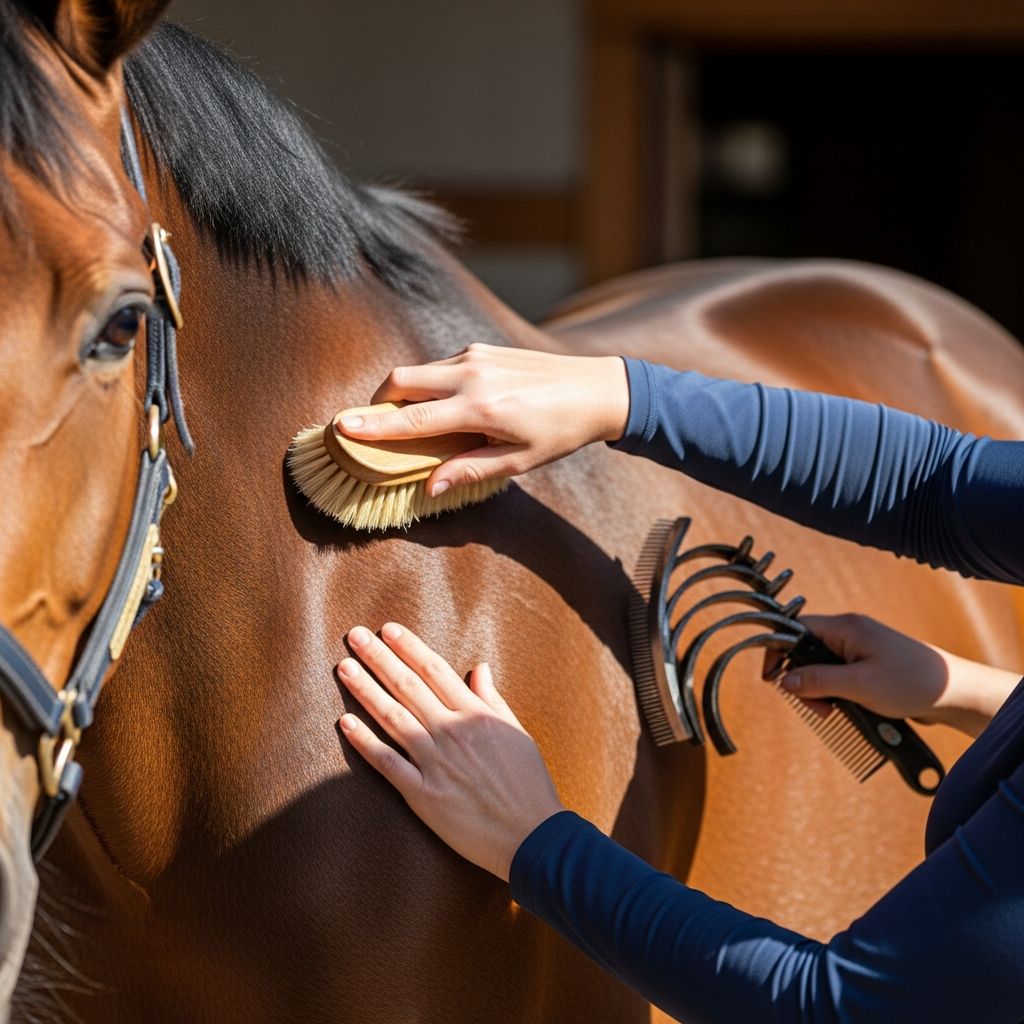
Regular grooming is fundamental to maintaining your horse’s health, appearance, and overall well-being. Beyond aesthetic benefits, a consistent grooming routine allows you to inspect your horse for potential health issues, strengthen your bond with your animal, and ensure their coat, mane, and tail remain in excellent condition. Whether you are a beginner or an experienced equestrian, understanding proper grooming techniques and having the right tools will make the process more efficient and enjoyable for both you and your horse.
Establishing Safety and Preparation
Before beginning any grooming session, safety must be your primary consideration. Always secure your horse using a quick-release knot with a lead rope or crossties to prevent them from wandering or becoming startled during the process. If crossties are unavailable, have an assistant hold the lead rope firmly while you work. This prevents accidents and ensures your horse remains calm and stationary throughout the grooming session.
When moving around your horse, particularly near their hindquarters, always communicate your presence verbally. Approach from the side rather than directly behind them, as horses have blind spots in these areas. Speaking softly and maintaining consistent, gentle movements will help keep your horse relaxed and cooperative. Ensure the grooming area is well-lit, clean, and free from distractions or hazards that could spook your horse.
Gather all necessary supplies before you begin. Having everything within arm’s reach prevents unnecessary movement and keeps your grooming session organized and efficient.
Essential Grooming Tools and Their Functions
Understanding the purpose of each grooming tool ensures you use them correctly and achieve the best results. Here is an overview of fundamental grooming implements:
- Curry Comb: Available in rubber or metal varieties, this tool is used first in any grooming session to break up dried mud and bring deeply embedded dirt and dead skin to the surface. Rubber curry combs are preferred for their comfort and effectiveness.
- Hard Brush (Dandy Brush): Used after the curry comb, this stiff-bristled brush removes the dirt brought to the surface, sweeping it away from the coat.
- Soft Brush (Body Brush): This gentler brush removes remaining dust and dirt, smoothing the coat and creating a polished appearance.
- Mane and Tail Brush or Comb: These specialized tools work through tangled hair without causing excessive breakage or thinning.
- Hoof Pick: Essential for removing packed dirt, rocks, and debris from hooves, promoting hoof health and preventing infections.
- Finishing Cloth: A damp cloth applied at the end of grooming imparts a beautiful shine and removes any remaining dust.
- Detangling Spray: Applied to the mane and tail before brushing, this product prevents hair breakage and eases the removal of knots.
The Progressive Brushing Sequence
Proper grooming follows a specific sequence to maximize effectiveness and prevent discomfort to your horse. Beginning with the curry comb and progressing through increasingly softer tools ensures systematic dirt removal while preparing the coat for finishing touches.
Initial Curry Comb Application
Start at the top of your horse’s neck with the rubber curry comb, applying gentle but firm pressure using circular motions. Move systematically down the neck, across the shoulder, along the barrel, and toward the hindquarters. The teeth of the curry comb should penetrate deep enough to reach the skin, loosening dirt and dead hair. Work down both sides of your horse’s body, covering the fleshy areas from the neck to the upper legs. Avoid bony areas such as the face, lower legs, and shin, as the curry comb can cause discomfort on these sensitive regions.
Hard Brush Strokes
Once you have thoroughly curried your horse’s coat, use the hard brush to sweep away loosened dirt. Brush from top to bottom, working in the direction of hair growth. Continue from head toward the tail, ensuring even coverage across all fleshy areas of the body. You may use a gentler touch with the hard brush on the lower legs and face, though care remains essential in these bony regions.
Soft Brush Refinement
The soft brush provides the final polish, removing any remaining dust and creating a smooth, shiny appearance. Use longer, broader strokes than you employed with the hard brush, working from the neck back toward the rump. This tool distributes natural oils throughout the coat while improving overall appearance and health.
Addressing the Face and Sensitive Areas
The face and head require special attention and a gentler approach than the body. Use a small, soft brush and work slowly, allowing your horse to become accustomed to the sensation around their eyes, nose, and ears. Speak softly and pause if your horse shows signs of discomfort, allowing them to inspect the brush with their nose if desired.
For cleaning around the eyes, nostrils, and under the tail, use a clean, damp cloth or sponge rather than a brush. Maintain separate cloths for the face and tail areas to prevent spreading bacteria or irritation. Pay special attention to areas frequently overlooked during grooming, including inside the ears, under the chin and jaw, and under the belly. These regions accumulate dirt and require thorough yet gentle cleaning.
Mane and Tail Care Strategies
The mane and tail enhance your horse’s appearance but require careful handling to prevent excessive hair loss. Before brushing, apply a detangling spray or gel to work through knots more effectively without causing breakage. Begin at the bottom of the mane or tail and work upward in small sections, never starting at the top where you risk ripping hairs out by the roots.
Brushing frequency significantly impacts mane and tail health. Excessive brushing can thin these areas dramatically over time. Generally, brushing the mane and tail one or two times monthly maintains cleanliness and manageability without compromising hair density. Between brushing sessions, use your fingers to gently tease out any major knots, allowing detangler to work before attempting to brush through stubborn tangles.
For horses with particularly sensitive hair or those prone to excessive breakage, reduce the size of sections you work with during brushing, especially around the poll and top of the head where hair is finer and more delicate.
Hoof Inspection and Maintenance
Hooves require regular attention to prevent infections, thrush, and other complications. Using a hoof pick, scrape away packed dirt and debris from the hoof, working from the heel toward the toe and away from your body. Pay particular attention to the collateral grooves along the sides of the frog. If your hoof pick includes a brush attachment, use it to remove smaller particles of dirt and debris.
After cleaning, inspect the hoof thoroughly for signs of thrush, cracks, bruising, or other abnormalities. A healthy hoof should have a firm, intact frog and no foul odors. If you notice any concerns, consult your farrier or veterinarian. Some groomers finish by applying hoof polish to enhance appearance and seal out dust and moisture.
Hands-On Health Assessment During Grooming
Grooming provides an excellent opportunity to assess your horse’s physical condition and identify potential health issues early. As you move the soft brush over your horse’s body, run your hands down each leg, feeling for swollen joints, heat, or signs of injury. Check for lumps, bumps, or abnormal swelling that may indicate problems. Observe your horse’s reactions to touch in different areas, as sensitivity might indicate pain or illness.
Pay attention to the condition of the coat and skin. A healthy coat should be smooth and shiny, while the skin underneath should be smooth and free from sores or irritation. If you notice excessive itching, scabs, or bald patches, consult your veterinarian, as these can indicate parasites, allergies, or other dermatological conditions.
Practical Grooming Timeline and Frequency
| Grooming Component | Recommended Frequency | Duration |
|---|---|---|
| Basic brushing and curry combing | Daily or several times weekly | 30-45 minutes |
| Hoof picking | Daily, minimum once per day | 10-15 minutes |
| Mane and tail brushing | 1-2 times monthly | 15-20 minutes |
| Full bathing | As needed (seasonal or before shows) | 45-60 minutes |
| Sheath cleaning (geldings/stallions) | Every 6 months | 20-30 minutes |
| Deep grooming session | Weekly or bi-weekly | 60-90 minutes |
Preparing Your Horse for Bathing
Before bathing, thoroughly groom your horse using the complete brushing sequence to remove as much dirt and loose hair as possible. Bathe your horse in warm weather or in a heated facility, as cold water can stress your horse and cause them to become chilled. Use warm water and equine shampoo formulated for horses’ pH levels, which differ from human shampoo.
Start wetting your horse from the neck and work backward, using a sponge to apply shampoo with gentle circular motions. Pay particular attention to areas that accumulate dirt, including under the belly, between the legs, and under the tail. Use separate sponges for different body regions to maintain hygiene, especially when cleaning sensitive areas. Rinse thoroughly with clean water until no soap residue remains, as dried shampoo can irritate the skin or cause itching.
Clipping and Specialized Grooming Techniques
Clipping becomes necessary for show preparation or in certain seasonal situations. If clipping your horse’s coat, begin with an area where your horse can become accustomed to the sensation, such as the shoulder, before moving to larger body areas. Clip against the direction of hair growth using even, overlapping strokes to ensure uniform appearance. Regularly apply oil and cooling spray to clipper blades to prevent overheating and maintain cutting efficiency.
When pulling or thinning the mane to a desired length, work with small sections at a time, teasing hairs upward with a pulling comb before wrapping the remaining hairs around the comb and removing them. This technique prevents excessive damage and keeps the mane looking natural. Take extra-small sections when working on sensitive areas or horses with delicate hair.
Advanced Braiding and Presentation
For showing or special occasions, braiding adds a polished, professional appearance. Begin by sectioning the mane into pieces approximately one to two inches wide, starting at the poll. Apply braiding spray or gel to each section to hold the braid in place throughout the day. French-braiding techniques, where you add hair from the sides as you progress down the mane, create secure, elegant braids that withstand activity.
Tail braiding follows similar principles. After thoroughly brushing and dampening the tail, apply braiding spray or gel and begin braiding at the top, incorporating hair from the sides as you work downward, much like braiding human hair in a French braid style. Practice these techniques before important events to ensure your horse and you feel confident and comfortable.
Common Grooming Challenges and Solutions
Horses with particularly dirty or muddy coats may require special handling. Allow dried mud to dry completely before attempting to remove it, as wet mud is more difficult to brush away. Once fully dry, the curry comb becomes highly effective at breaking up mud clumps. For stubborn stains or heavily soiled areas, washing with water may be necessary before returning to dry grooming techniques.
Horses with sensitive skin or those prone to irritation during grooming require extra gentleness and patience. Reduce the firmness of your curry comb strokes, use softer brushes exclusively, and consider whether allergies or skin conditions require veterinary attention. Some horses become anxious during grooming; consistent, calm handling and positive reinforcement help desensitize them over time.
Building a Grooming Routine
Establishing a consistent grooming routine strengthens your relationship with your horse while maintaining their health and appearance. Daily basic grooming—including hoof picking and a quick brush-over—takes 20-30 minutes and keeps your horse in good condition. Reserve 60-90 minutes weekly for a complete grooming session that includes thorough brushing, detailed attention to the mane and tail, and a comprehensive health assessment.
Adjust grooming frequency based on your horse’s activity level, living conditions, and seasonal changes. Horses turned out in muddy pastures require more frequent grooming than those in dry environments. During shedding season, daily grooming removes loose hair more effectively and promotes healthy new coat growth.
References
- The Art of Horse Grooming: A Step-by-Step Guide — Cowboy Magic Europe. Accessed January 30, 2026. https://www.cowboymagic-europe.com/en/blogs/nieuws/the-art-of-horse-grooming-a-step-by-step-guide
- Complete Guide To Basic Horse Grooming — Tattered Saddle. May 29, 2024. https://tatteredsaddle.com/2024/05/29/how-to-groom-a-horse/
- Pro Horse Show Grooming Tips — Schneiders Blog. Accessed January 30, 2026. https://www.sstack.com/blog/grooming/horse-show-grooming-tips/b/r0089/
- The Ultimate Beginner’s Guide to Horse Grooming: A Step-by-Step Approach for Equestrian Care — Mary Stack. Accessed January 30, 2026. https://marystack.com/marys-blog/the-ultimate-beginners-guide-to-horse-grooming-a-stepbystep-approach-for-equestrian-care/
- Grooming Basics For Equine Caregivers — The Open Sanctuary Project. Accessed January 30, 2026. https://opensanctuary.org/grooming-basics-for-equine-caregivers/
- The Basics of Horse Grooming: Tips and Techniques for a Healthy Horse — Vetericyn. Accessed January 30, 2026. https://vetericyn.com/blogs/vetericyn/horse-grooming
Similar Articles






Read full bio of medha deb