

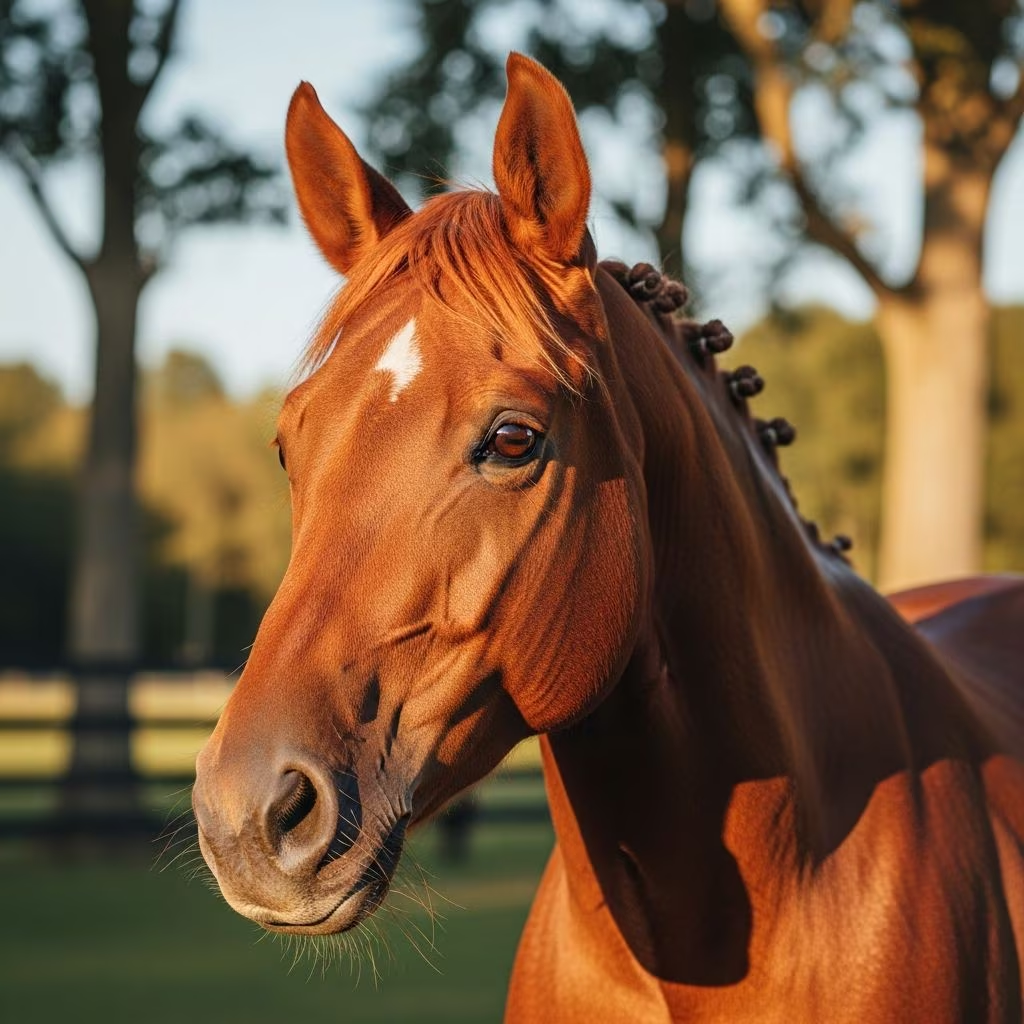
Providing optimal care for horses demands attention to their physical, mental, and environmental needs. This guide outlines key practices to support equine health and happiness, drawing from established veterinary and welfare standards.
Creating a Safe and Comfortable Living Environment
Horses flourish in settings that mimic their natural habitats, offering protection from elements and opportunities for movement. Adequate space prevents stress and supports physical health.
- Shelter Requirements: Structures must shield from rain, wind, snow, and intense sun. Roofs should overhang to deflect precipitation, with three-sided designs allowing ventilation while blocking drafts.
- Turnout Access: Daily outdoor time, ideally 8-12 hours, promotes natural behaviors like grazing and socializing. Paddocks should feature secure fencing at least 5 feet high, free of sharp edges or protruding wires.
- Bedding Choices: Deep layers of straw, wood shavings, or pellets absorb moisture and cushion joints. Stalls require daily removal of manure and wet spots to avert infections like thrush.
Companionship matters; horses are herd animals. Pairing with compatible equines reduces loneliness and abnormal behaviors such as cribbing or weaving.
Nutrition Fundamentals for Optimal Health
A horse’s diet should prioritize forage to align with their hindgut fermentation digestive system. Forage comprises 1.5-2% of body weight daily, roughly 15-20 pounds for a 1000-pound horse.
| Feed Type | Daily Amount (1000 lb Horse) | Benefits |
|---|---|---|
| Good-Quality Hay/Grass | 15-20 lbs | Supports digestion, dental wear, and gut health |
| Concentrates (if needed) | 2-5 lbs, split meals | Energy for work; avoid excess to prevent colic |
| Clean Water | 10-15 gallons min | Hydration; increases in heat/work |
Feed in small, frequent portions using slow-feed nets to extend chewing and saliva production. Mineral blocks provide salt and trace elements. Monitor body condition score (1-9 scale) monthly; adjust rations based on age, workload, and metabolism.
Daily Maintenance Routines
Consistency builds trust and catches issues early. A structured checklist ensures nothing is overlooked.
- Water Check: Refresh buckets/troughs twice daily; observe intake for dehydration signs like dry gums.
- Forage Provision: Offer hay in multiple drops for stalled horses; pasture rotation maintains quality.
- Stall Cleaning: Remove waste 2-3 times daily; full mucking once. Paddock manure dragging weekly controls parasites.
- Hoof Picking: Clear debris morning/evening to prevent abscesses; note cracks or heat.
- Grooming Session: Curry, brush, mane/tail comb; inspect skin for cuts, lumps, or rubs.
Environmental scans identify hazards like loose boards or toxic plants daily.
Preventive Health Management
Proactive veterinary protocols minimize disease risks and extend lifespan.
- Vaccinations: Core shots (tetanus, Eastern/Western Encephalomyelitis, West Nile, rabies) annually; risk-based (flu, rhino) every 6 months.
- Deworming: Fecal egg counts yearly guide targeted treatments; all horses need boticide post-frost.
- Dental Floats: Annual exams file sharp points, ensuring efficient chewing.
- Coggins Test: Annual for travel/quarantine compliance.
Farrier visits every 4-8 weeks balance hooves, shoe if wear demands. Early lameness detection via gait observation prevents chronic issues.
Grooming Techniques for Skin and Coat Vitality
Regular hygiene deters parasites, improves circulation, and reveals health clues.
- Curry comb in circles to loosen dirt; follow with dandy brush strokes toward hair growth.
- Hoof picks angled to extract packed material; apply thrush treatment if foul odor present.
- Bathe with equine shampoo bi-weekly in summer; dry thoroughly to avoid chills.
Blanket checks in winter prevent overheating; launder seasonally.
Exercise and Mental Stimulation
Movement builds fitness, strengthens bones, and curbs boredom. Sound horses need 1-2 hours daily riding/lunging or liberty work, plus turnout.
Hand-walking aids rehab or low-turnout scenarios. Enrichment like puzzle feeders or trail variety engages minds.
Seasonal and Weather Adaptations
Adjust care for climate shifts.
- Summer: Shade, fly masks, electrolyte supplements; limit peak-heat exertion.
- Winter: Windbreaks, unfrozen water heaters; grow winter coat by avoiding early clipping.
- Mud Management: Gravel pads at gates; sacrifice turnout zones.
Emergency Preparedness Essentials
Colic, lacerations, or laminitis demand swift action. Kit includes vet contact, bandages, thermometer, electrolytes.
- Recognize colic: pawing, rolling, sweat; withhold feed, walk gently, call vet.
- Laminitis signs: rocking stance, heat in hooves; stable on soft bedding, vet ASAP.
First-aid training and trailer readiness are prudent.
Frequently Asked Questions (FAQs)
How much water does a horse need daily?
10-15 gallons minimum, more in heat or work; always fresh.
Can horses live without shelter?
No; protection from elements is vital for welfare.
How often should I deworm?
Based on fecal tests, typically 2-4 times yearly.
What’s the best hay type?
Legume-grass mix for nutrition without excess energy.
Do all horses need shoes?
No; depends on terrain/work; barefoot often sufficient with trims.
Building Your Equine Care Team
Partner with vets, farriers, nutritionists. Join local groups for support. Continuous learning via workshops refines skills.
References
- Basic Horse Care Guide for Beginners — Mad Barn. 2024. https://madbarn.com/basic-horse-care-guide/
- How to Take Care of a Horse: The Essential Guide — Kawell USA. 2024. https://kawellusa.com/blogs/blog/how-to-take-care-of-a-horse-the-essential-guide-for-every-owner
- AAEP Rescue & Retirement Guidelines — American Association of Equine Practitioners. 2024-02. https://aaep.org/wp-content/uploads/2024/02/AAEP_Rescue_Retirement_Guidelines.pdf
- Equine Wellness 101 — Carrollton Equine. 2024. https://carrolltonequine.com/equine-wellness-101-a-comprehensive-guide-to-routine-care-and-preventative-measures-for-your-horse/
- Equine Care Guide 2024 — Animal Protection New Mexico. 2024-03. https://apnm.org/wp-content/uploads/2024/03/Equine-Care-Guide-2024.pdf
- Horse Care — ASPCA. 2024. https://www.aspca.org/pet-care/horse-care



