

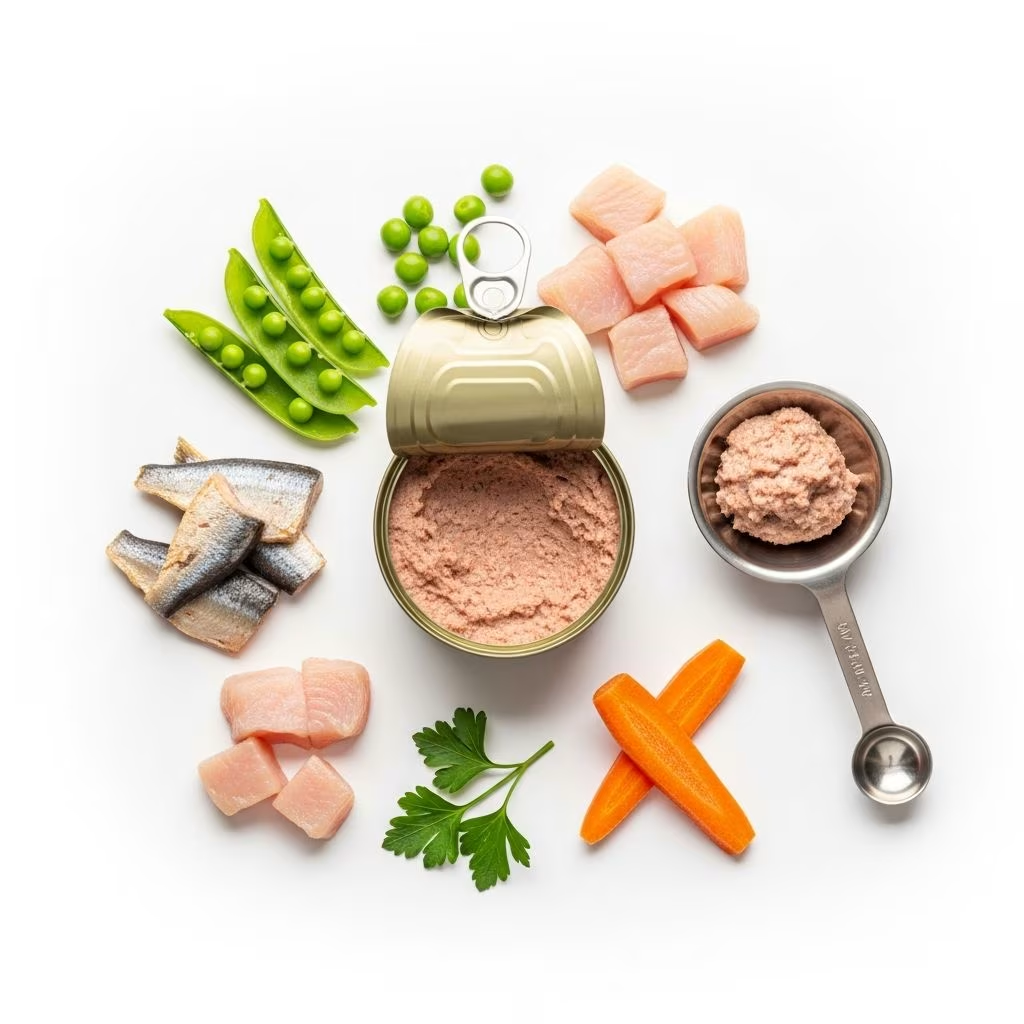
Cats do not strictly require wet food to thrive, but incorporating it into their diet offers substantial health advantages, particularly in hydration and nutrient delivery.
Why Hydration Matters for Cats
Domestic cats descend from arid-region ancestors that derived most hydration from prey, resulting in a subdued thirst instinct. This evolutionary trait means many cats drink minimally from bowls, heightening dehydration risks.
Wet cat food contains 75-78% moisture, vastly exceeding dry food’s 6-10%, enabling cats to ingest vital water through meals.
- Supports kidney filtration by flushing toxins efficiently.
- Prevents urinary crystals and stones via urine dilution.
- Aids digestion to avert constipation.
Veterinarian Dr. Joshua Montgomery emphasizes water’s role in renal health, noting insufficient intake impairs impurity removal and invites infections.
Nutritional Edge of Wet Formulas
As obligate carnivores, cats demand high-protein, low-carb diets mimicking wild prey. Wet foods excel here, boasting elevated protein (often 10-13%) and reduced carbohydrates versus carb-heavy dry kibble.
| Nutrient | Wet Food Typical Range | Dry Food Typical Range |
|---|---|---|
| Protein | 10-13% | 30-40% (but carb-balanced) |
| Carbohydrates | Low (3-5%) | High (20-40%) |
| Fat | 2-10% | 10-20% |
| Moisture | 75-78% | 6-10% |
This profile fosters lean muscle preservation and aids diabetes control by stabilizing blood sugar.
Weight Control and Satiety Benefits
Wet food’s lower calorie density per volume promotes fullness without excess intake. High protein sustains muscle during weight loss, countering obesity-linked issues like diabetes, arthritis, and heart disease.
Dr. Montgomery highlights its trim-keeping potential for longevity. The volume from water enhances satisfaction, curbing overeating common with dry food.
Digestion and Chewing Advantages
Soft, moist texture eases mastication for kittens, seniors, and those with dental woes or tender stomachs. It bolsters nutrient uptake in cats prone to vomiting, inflammatory bowel disease, or post-chemo nausea.
Shorter feline digestive tracts favor high-protein wet meals, accelerating absorption and minimizing tummy upset.
Appeal to Picky Palates
Intense aromas and varied textures draw even finicky eaters, ensuring consistent nutrition. Flavor diversity combats meal boredom, vital for appetite-challenged cats.
Health Conditions That Favor Wet Food
Urinary and Kidney Issues: Diluted urine slashes crystal/stone risks, especially in males. Chronic dehydration exacerbates these, making wet food preventive.
Diabetes: Low-carb, high-protein composition manages glucose levels.
Dental Problems: Bypasses chewing strains.
Senior Cats: Simplifies intake amid reduced senses.
Wet Versus Dry: A Balanced View
Dry food suits convenience and dental scraping but lags in hydration and protein purity. Wet excels in moisture and carnivore alignment but spoils faster.
| Aspect | Wet Food Pros | Dry Food Pros |
|---|---|---|
| Hydration | Superior (75%+ water) | Poor (10% max) |
| Calories | Lower density, satiety | Dense, weight gain aid |
| Convenience | Perishable | Long shelf life |
| Cost | Higher per serving | More economical |
Many experts advocate mixing: wet for hydration/nutrients, dry for practicality.
Optimal Feeding Strategies
Transition gradually over 7-10 days to avoid tummy woes. Portion per AAFCO guidelines, adjusting for age/activity.
- Kittens: Wet aids growth, easy chewing.
- Adults: 2-3 meals daily.
- Seniors: Supports hydration amid lower thirst.
Store opened cans refrigerated up to 5 days; warm slightly for aroma boost.
Selecting Quality Wet Food
Prioritize AAFCO-approved labels naming meat first. Avoid fillers; seek omega-3s for skin/coat.
Pates suit easy eaters; chunks appeal texture lovers.
Frequently Asked Questions
Do All Cats Benefit from Wet Food?
Most do, especially low-drinkers or health-compromised. Balanced dry suffices if water intake is ample.
Can Kittens Eat Only Wet Food?
Yes, if complete; it mirrors milk-like moisture, aiding weaning.
Is Wet Food More Expensive?
Often, but health savings offset via prevention.
How Much Wet Food Daily?
5-6 oz per 5 lbs body weight, split meals. Consult vet.
Mixing Wet and Dry Safe?
Absolutely; complements strengths for hydration and convenience.
Conclusion: Tailor to Your Cat’s Needs
While not mandatory, wet food elevates feline wellness through hydration, nutrition, and appeal. Assess your cat’s habits and health for the best blend.
References
- Do Cats Need Wet Food? 5 Benefits of Wet Cat Food — Chewy.com. 2023. https://www.chewy.com/education/cat/food-and-nutrition/the-benefits-of-a-wet-food-diet-for-your-cat
- Wet Cat Food Benefits | Do Cats Need Wet Food — Blue Buffalo. 2024. https://www.bluebuffalo.com/articles/cat/wet-your-cats-appetite/
- Top Benefits of Wet Food for Cats — Darwin’s Natural Pet Products. 2023-10-15. https://www.darwinspet.com/blogs/resources/top-benefits-of-wet-food-for-cats
- Do Cats Need Wet Food? A Vet Explains Pros & Cons — Whisker.com. 2024. https://www.whisker.com/blog/do-cats-need-wet-food
- Wet Cat Food: More Than a Meal, a Key Ingredient for Feline Wellbeing — American Animal Hospital Association (AAHA). 2023-11-01. https://www.aaha.org/newstat/publications/wet-cat-food-more-than-a-meal-a-key-ingredient-for-feline-wellbeing/



