
Essential Guide to Ticks on Dogs
Learn to identify common ticks affecting dogs, understand their risks, and protect your pet from dangerous bites.
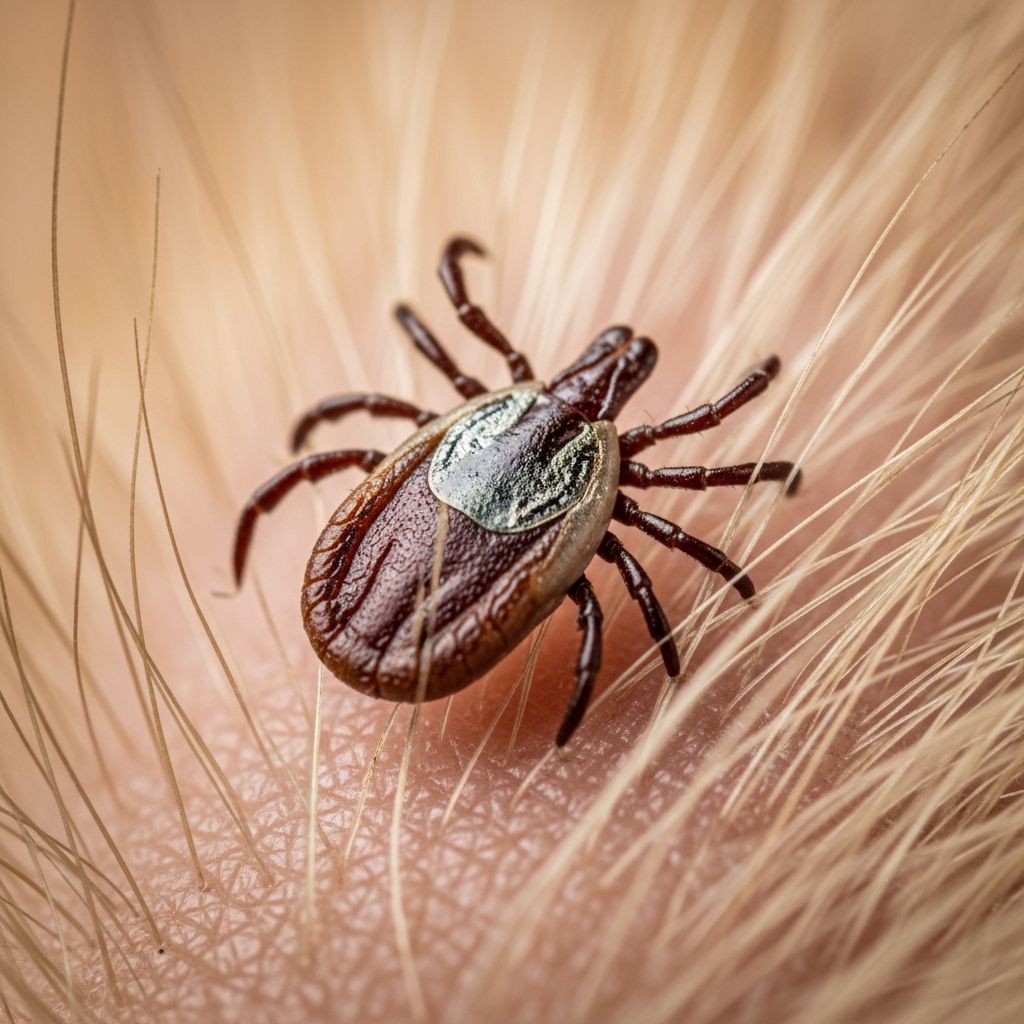
Ticks pose a significant threat to dogs across North America, capable of transmitting serious diseases through their bites. Recognizing these parasites early is crucial for pet owners to safeguard their dogs’ health. This guide explores the most prevalent tick species, their distinguishing traits, geographic distributions, and the illnesses they carry, drawing from authoritative veterinary and public health resources.
Why Ticks Matter for Dog Owners
Ticks are arachnids that latch onto hosts like dogs to feed on blood, often going unnoticed until they engorge. A single bite can introduce pathogens leading to conditions ranging from mild irritation to life-threatening infections. Dogs frequent grassy, wooded, or brushy areas where ticks thrive, making regular checks essential after outdoor activities.
Understanding tick biology helps in prevention: they have four life stages—egg, larva, nymph, and adult—with larvae and nymphs being tiny and harder to detect. Peak activity varies by species and region, typically spring through fall, but some persist year-round in warmer climates.
Key Tick Species Targeting Dogs
Several tick types commonly infest dogs. Below, we detail their appearances, habits, and risks using precise identification markers.
American Dog Tick
The American Dog Tick (Dermacentor variabilis) is one of the largest common ticks, measuring up to 1/2 inch when unfed. Adult females feature a dark brown body with an off-white, ornate scutum (shield) behind the head, while males are darker with white striations. They favor dogs and medium-sized mammals.
Found east of the Rocky Mountains and along Pacific coasts, they peak from April to October. These ticks transmit Rocky Mountain spotted fever, ehrlichiosis, and tularemia to dogs and humans.
Blacklegged Tick (Deer Tick)
Known as the deer tick (Ixodes scapularis in the east, Ixodes pacificus in the west), this sesame seed-sized arachnid has a reddish-brown body and black legs/scutum. Females show red behind the black shield; males are uniformly dark.
Prevalent in eastern and Pacific coastal states, they are vectors for Lyme disease, anaplasmosis, and ehrlichiosis—the leading tick-borne illness in dogs. Nymphs, active in spring/summer, are particularly sneaky due to their small size.
Lone Star Tick
Adult female Lone Star Ticks (Amblyomma americanum) stand out with a single white dot on their tan body; males have white streaks around edges. Aggressive biters, they inhabit low-elevation wooded areas east of the Rockies.
They carry ehrlichiosis, rickettsiosis, tularemia, and can trigger alpha-gal syndrome in humans. In dogs, bites cause irritation and potential anemia from heavy infestations.
Brown Dog Tick
The Brown Dog Tick (Rhipicephalus sanguineus) has a uniform reddish-brown, oval body without ornate markings, short mouthparts, and legs fanned along its sides. Unique for indoor reproduction in kennels or homes.
Present nationwide (except Alaska), it transmits babesiosis, ehrlichiosis, anaplasmosis, and Rocky Mountain spotted fever. Thrives in warm climates, active year-round.
Asian Longhorned Tick
This invasive species (Haemaphysalis longicornis), new to the U.S. since 2017, lacks a white dot but has a long mouthpart and can appear in clusters. Females are pale red-brown; all life stages are small.
Spreading in eastern states like Virginia and New Jersey, lab tests show potential for Rocky Mountain spotted fever transmission. Its rapid reproduction raises concerns for dogs.
Other Notable Species
- Gulf Coast Tick (Amblyomma maculatum): White spots on scutum; coastal Atlantic/Gulf regions; causes tick paralysis and hepatozoonosis.
- Western Blacklegged Tick (Ixodes pacificus): Similar to eastern deer tick; Pacific states; Lyme and anaplasmosis vectors.
- Rocky Mountain Wood Tick: Larger, with festoons; western mountains; transmits tick paralysis and Colorado tick fever.
Tick Identification Table
| Tick Species | Key ID Features | Size (Adult) | Primary Regions |
|---|---|---|---|
| American Dog Tick | Off-white scutum pattern, dark brown | 4-5 mm | East of Rockies, Pacific |
| Blacklegged Tick | Black scutum, red-brown body (female) | 3 mm | Eastern/Pacific U.S. |
| Lone Star Tick | White dot (female), white edges (male) | 4-5 mm | Southeast, East |
| Brown Dog Tick | Uniform brown, no patterns | 3-4 mm | Nationwide |
| Asian Longhorned | Long mouthparts, clusters | 4-5 mm | Emerging East |
Diseases Transmitted to Dogs
Tick bites can lead to diverse canine illnesses. Lyme disease causes fever, lameness, and kidney issues; ehrlichiosis/ehrlichia leads to lethargy and bleeding disorders; Rocky Mountain spotted fever results in fever and vascular damage. Babesiosis destroys red blood cells, causing anemia. Prevention via vaccines (e.g., Lyme) and prompt removal is vital.
Prevention Strategies for Dogs
Proactive measures reduce tick encounters:
- Topical/Oral Preventives: Flea/tick collars, spot-ons (e.g., fipronil), orals like isoxazolines kill ticks before disease transmission.
- Environmental Control: Mow lawns, remove leaf litter, create tick barriers with gravel/wood chips.
- Daily Checks: Inspect ears, armpits, groin, between toes after walks. Use fine-tipped tweezers for removal: grasp near skin, pull steadily without twisting.
- Vaccinations: Lyme vaccine for high-risk dogs.
Avoid folk remedies like petroleum jelly or matches, as they increase disease risk by prolonging attachment.
Regional Tick Hotspots
Northeast: Blacklegged and American dog ticks dominate. Southeast: Lone star and brown dog ticks. West: Western blacklegged and wood ticks. Check local health department maps for updates, as invasives like Asian longhorned spread.
FAQs
What does a tick look like on my dog?
Ticks appear as small bumps, gray/black specks, or engorged raisins. Check hidden areas daily.
How do I safely remove a tick?
Use tweezers to pull straight out; clean with alcohol. Save for ID if illness develops.
Can ticks live indoors?
Yes, brown dog ticks complete life cycles inside, especially in multi-dog homes.
Are tick preventives safe for all dogs?
Consult vets; puppies, pregnant dogs may need alternatives.
What if my dog shows symptoms post-bite?
Lethargy, fever, lameness warrant immediate vet care and testing.
Monitoring and Long-Term Care
Year-round vigilance is key in tick-endemic areas. Combine preventives with habitat management for best results. Annual vet checkups catch subclinical infections early.
References
- Tick Identification — Virginia Department of Health. 2023. https://www.vdh.virginia.gov/ticks/tick-identification/
- Tick Identification Tips — PA Tick Research Lab. 2024. https://www.ticklab.org/tick-identification
- 8 Types of Ticks on Dogs — PetMD. 2024-01-15. https://www.petmd.com/dog/general-health/8-types-ticks-dogs
- Identifying Ticks — Kansas State Veterinary Diagnostic Laboratory. 2023. https://ksvdl.org/resources/tick_identification.html
- Tick Identification — Illinois Department of Public Health. 2024. https://dph.illinois.gov/topics-services/environmental-health-protection/structural-pest-control/common-ticks/identification.html
Similar Articles








Read full bio of Sneha Tete




