Rabbit Care: Essential Guide For Indoor Owners
Master the fundamentals of rabbit ownership with expert tips on housing, nutrition, grooming, and health for a happy, healthy bunny.
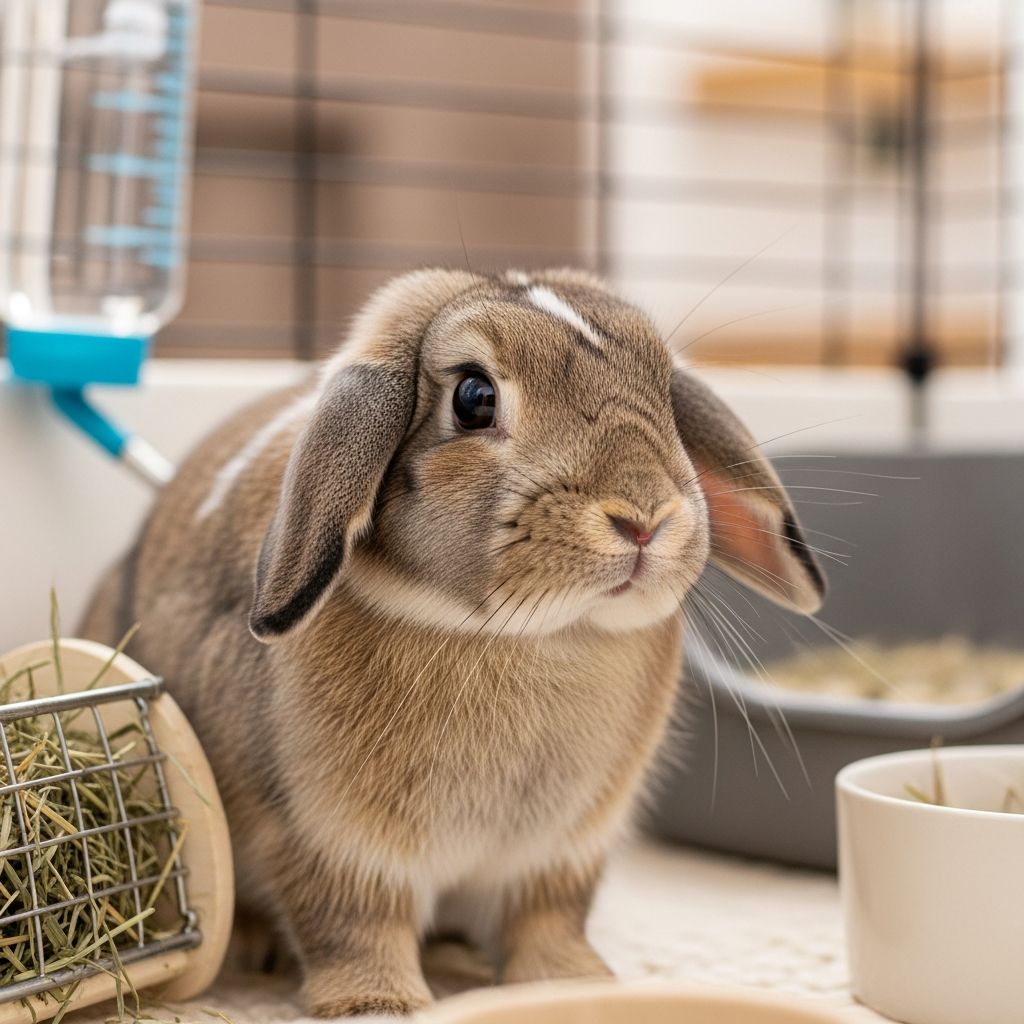
Rabbits make delightful indoor companions when provided with proper care tailored to their unique needs as prey animals. This guide covers key aspects of rabbit ownership, from selecting the right setup to maintaining long-term wellness, ensuring your bunny lives a fulfilling life.
Choosing the Perfect Rabbit Companion
Before bringing a rabbit home, consider breeds suited to indoor living. Popular choices include Holland Lops for their compact size and affectionate nature, Netherland Dwarfs for playfulness, and Mini Rex for soft fur. Each breed has distinct traits: Lops often enjoy cuddling, while Dwarfs are energetic explorers. Always adopt from reputable rescues or breeders who prioritize health testing to avoid genetic issues.
- Breed sizes: Small (under 4 lbs) for apartments; medium (4-9 lbs) for families.
- Temperament: Select calm individuals that tolerate handling.
- Age consideration: Young rabbits (8-12 weeks) adapt well but require patience during training.
Creating an Ideal Living Environment
Rabbits thrive in spacious, secure indoor spaces that mimic their natural burrowing and hopping behaviors. A minimum enclosure size of 4 times the rabbit’s body length allows for stretching and play, but free-roaming in a bunny-proofed room is optimal for physical and mental health.
| Enclosure Type | Minimum Dimensions | Key Features |
|---|---|---|
| X-pen or large cage | 4×4 ft floor space | Solid floors, hideouts, litter access |
| Rabbit-proofed room | Full room access | Wire covers, no cords, chew toys |
| Hutch (indoor only) | 6x2x3 ft | Ventilation, easy cleaning |
Use absorbent bedding like recycled paper pellets or fleece liners to keep areas dry and odor-free. Position the habitat away from drafts, direct sunlight, and noisy appliances, maintaining temperatures between 60-70°F. Introduce litter boxes with hay toppers in corners; rabbits naturally choose spots, making training straightforward.
Nutrition Fundamentals for Optimal Health
A rabbit’s diet must prioritize digestive health and dental wear, as their teeth grow continuously. Unlimited access to fresh timothy or meadow hay forms 80-90% of intake, promoting gut motility and natural tooth grinding.
- Hay varieties: Timothy for adults, alfalfa for under 6 months (higher calcium).
- Vegetables: 1-2 cups per 2 lbs body weight daily; romaine, cilantro, parsley (avoid high-sugar like carrots as treats).
- Pellets: High-fiber, plain varieties at 1/4 cup per 5 lbs body weight; no seeds or mixes.
Fresh water in heavy crocks or sipper bottles must be refreshed daily. Introduce new foods gradually to prevent GI stasis, a life-threatening slowdown. Annual vet checks confirm balanced nutrition tailored to age and activity.
Grooming Routines to Keep Your Bunny Pristine
Rabbits self-groom meticulously but require owner assistance during heavy shedding periods, typically twice yearly. Daily brushing with slicker or flea combs removes loose fur, reducing ingestion risks that lead to blockages since rabbits can’t vomit.
For long-haired breeds like Angoras, commit to frequent sessions to prevent mats, which may need professional trimming. Nail trims every 4-6 weeks use pet clippers; avoid over-cutting the quick. Spot-clean soiled areas with damp cloths and oatmeal shampoo—full baths cause shock.
- Tools needed: Soft brush, nail clippers, styptic powder.
- Frequency: Weekly for short coats, daily during molts.
Safe Handling and Socialization Techniques
Approach rabbits calmly from the side, avoiding overhead grabs that trigger fear. Scoop under chest and hindquarters simultaneously, supporting the spine fully. Hold close to your body for security, limiting sessions to 10-15 minutes to build trust.
Socialize daily through gentle pets and play; rabbits bond deeply with owners or compatible pairs. Monitor introductions for bonded pairs to prevent fights. Provide chew toys, tunnels, and dig boxes for enrichment, combating boredom-induced behaviors like excessive chewing.
Preventive Health Measures and Common Issues
Spay or neuter at 4-6 months to curb cancers, aggression, and marking. Vaccinate against myxomatosis and RHDV where prevalent. Watch for signs of illness: lethargy, anorexia, diarrhea, or abnormal poop (small/hard = stasis).
| Common Problem | Symptoms | Prevention/Action |
|---|---|---|
| GI Stasis | No eating/pooping | Hay-heavy diet, prompt vet care |
| Dental Overgrowth | Drooling, weight loss | Hay chewing, exams |
| Parasites | Itching, diarrhea | Clean habitat, deworming |
Schedule bi-annual vet visits with exotic specialists. Never use dog/cat products; rabbit-safe meds only.
Exercise and Enrichment for Active Bunnies
Daily out-of-enclosure time (4+ hours) in secure areas prevents obesity and stereotypic behaviors. Scatter hay, offer willow balls, and create puzzle feeders. Outdoor play requires supervision in enclosed runs to avoid predators and toxins.
Litter Training and Daily Maintenance
Place boxes with cross-linked pellets and hay overhangs. Confine initially, then expand access. Most learn in days; multi-box setups aid bonded pairs. Spot-clean daily, full changes weekly to monitor health via droppings.
Frequently Asked Questions (FAQs)
Can rabbits live outdoors?
No, indoor living is safest due to predators, weather, and social needs.
What if my rabbit stops eating?
Seek emergency vet care immediately—could indicate stasis.
Are rabbits good with kids?
With supervision; teach gentle handling to avoid injury.
How do I know if rabbits need spaying?
Yes for females over 4 months; males at 3-4 months for health/behavior.
What bedding is safe?
Avoid pine/cedar; use paper pellets or fleece.
References
- Rabbit Care: The Complete Guide — Bunny Lady. 2023. https://bunnylady.com/rabbit-care-guide/
- Hop Into Rabbit Care: A Comprehensive Guide for Bunny Owners — University Animal Clinic. 2024-01-15. https://www.theuniversityanimalclinic.com/services/other/blog/hop-rabbit-care-comprehensive-guide-bunny-owners
- How To Care For A Pet Rabbit: A Primer — House Rabbit Society. 2022-06-10. https://rabbit.org/care/how-to-care-for-a-pet-rabbit-a-primer/
- Rabbit Care Guide — Chicago Exotics Animal Hospital. 2023-08-20. http://www.exoticpetvet.com/complete-rabbit-care.html
- Rabbit Care — Animal Humane Society. 2024. https://www.animalhumanesociety.org/resource/rabbit-care
Similar Articles








Read full bio of medha deb