
Fish Care: 3 Essential Maintenance Steps For Healthy Aquariums
Master the fundamentals of keeping healthy pet fish with expert tips on aquariums, water quality, feeding, and disease prevention for thriving aquatic pets.
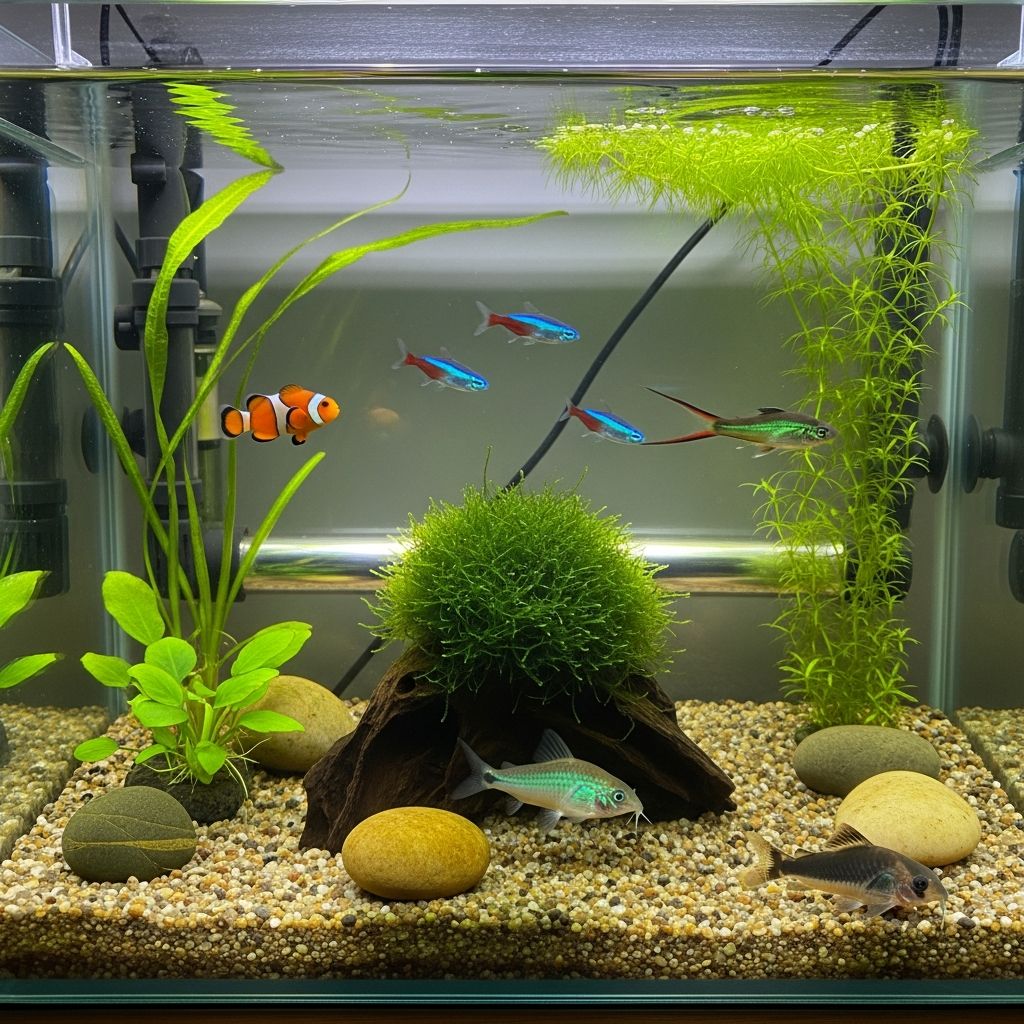
Pet fish offer a mesmerizing glimpse into underwater worlds right in your home, but their well-being hinges on meticulous care. This guide explores key aspects of maintaining vibrant, healthy fish, drawing from proven practices to help beginners and seasoned aquarists succeed.
Selecting the Perfect Fish Species
Choosing compatible fish is the foundation of a successful aquarium. Consider factors like size, temperament, and environmental needs. Peaceful community fish such as danios, rasboras, and tetras thrive in groups and pair well with others too large to be eaten. Larger species like plecostomus require spacious tanks up to 10+ gallons and prefer temperatures around 78-80°F (25-26°C).
Evaluate lifespan and growth potential; some plecos can reach 24 inches and live 10-15 years. Always research species-specific requirements, like natural sand substrates and live plants for certain fish that surface to breathe. Avoid overcrowding by selecting fewer, healthier specimens that match your tank size.
Assembling Your Aquarium Setup
A well-equipped tank mimics natural habitats. Start with an appropriately sized aquarium based on fish needs—larger for growing species. Essential equipment includes filtration systems, heaters, lighting, and substrate like coated gravel.
- Filtration: Crucial for removing waste; clean bi-weekly in tank water to preserve beneficial bacteria.
- Heater: Maintains stable temperatures, vital for tropical fish at 73-80°F (23-26°C).
- Lighting: Supports plant growth and simulates day-night cycles.
- Decor: Rinse gravel, plants, and ornaments with tap water (no soap) before adding.
Position the tank away from direct sunlight and drafts to prevent algae and temperature swings. Use a water conditioner to neutralize chlorine and chloramines in tap water.
Achieving and Maintaining Water Quality
Superior water conditions prevent most diseases. Poor parameters lead to stress and illness, so monitor closely. Key tests include pH, ammonia, nitrite (should be 0 ppm), and nitrate (under 20 ppm).
| Parameter | Ideal Range | Testing Frequency |
|---|---|---|
| Ammonia/Nitrite | 0 ppm | Daily during cycling |
| Nitrate | <20 ppm | Weekly |
| pH | 6.5-7.5 (species-dependent) | Weekly |
| Temperature | 73-80°F (23-26°C) | Daily |
Initiate the nitrogen cycle by adding beneficial bacteria starters and hardy fish gradually, or use fishless methods. Perform 10-50% weekly water changes, vacuuming substrate and scraping algae. Spot clean daily, removing feces and uneaten food to avoid pollution.
Nutrition and Feeding Strategies
Balanced diets promote health and activity. Feed 2-3 times daily what fish consume in 2-5 minutes, avoiding overfeeding which spikes waste. Use high-quality flakes, pellets, or frozen foods like bloodworms and brine shrimp tailored to diet—omnivores get flakes, carnivores need protein-rich options.
- Supplement with thawed frozen or home-cultured live foods (brine shrimp, bloodworms).
- Vitamin soaks 1-2 times weekly enhance vitality.
- Store dry foods cool and dry; replace opened packages every 2 months.
Variety meets nutritional needs: fruits/vegetables for herbivores (washed thoroughly), insects for carnivores. Consistent feeding schedules build routines.
Routine Maintenance Schedule
Consistency is key to longevity. Dedicate 30 minutes weekly to upkeep.
- Daily: Check temperature, observe behavior, spot clean waste, feed appropriately.
- Weekly: Test water, 10-50% changes, vacuum gravel, clean glass of algae, rinse decor in tank water.
- Monthly: Thorough clean, inspect filter/pump, full decor rinse.
Quarantine new fish 30 days in a cycled setup to prevent disease introduction. Acclimate newcomers by floating bags 15 minutes, gradually mixing waters.
Recognizing and Preventing Health Issues
Monitor for lethargy, fin clamping, or spots signaling illness. Prevention trumps cure: stable parameters, quarantine, and clean habits minimize risks. Messy eaters like goldfish demand frequent changes.
Common issues stem from poor water or overfeeding. Consult vets for tailored advice; species vary in needs.
Compatibility and Community Tanks
Peaceful species like tetras school in groups of 2+, avoiding shrimp predators. Research charts ensure harmony—match sizes and behaviors. Goldfish need cooler waters, separating from tropicals.
Advanced Tips for Thriving Aquariums
Incorporate live plants for oxygenation and hiding spots. LED lights prevent algae while promoting growth. Automated feeders aid vacations, but manual checks remain essential.
For breeding, simulate conditions like plants for egg-laying. Patience yields rewards in natural behaviors.
Frequently Asked Questions (FAQs)
How often should I change aquarium water?
Weekly 10-50% changes, more for heavy bioloads.
Can I use tap water directly?
No—always treat with conditioner to remove toxins.
What if my fish looks sick?
Quarantine, improve water, seek vet advice. Early action saves lives.
Do fish need light all day?
8-12 hours mimics nature; avoid excess to curb algae.
How many fish per gallon?
1 inch per gallon rule, but prioritize space over numbers.
References
- Tropical Freshwater Fish Care Guide — Bird Exotic Vet. 2023. https://www.birdexoticsvet.com/tropical-freshwater-fish
- Community Fish Care Guide — PetSmart. 2024-02-01. https://www.petsmart.com/learning-center/fish-care/community-fish-care-guide
- How to Look After Your Tropical Fish — Aquacadabra. 2023-05-15. https://aquacadabra.com/blogs/news/how-to-look-after-your-tropical-fish
- How to Take Care of Fish — PetMD. 2024-01-10. https://www.petmd.com/fish/care/evr_fi_how-to-care-of-fish
- Beginner’s Guide to Successful Fishkeeping — Marineland. 2023. https://www.marineland.com/information/infographics-and-guides/a-beginners-guide
Similar Articles








Read full bio of medha deb


