Essential Guide to Dog Wound Care
Learn step-by-step how to safely clean, bandage, and monitor dog injuries at home while knowing when to seek vet care.
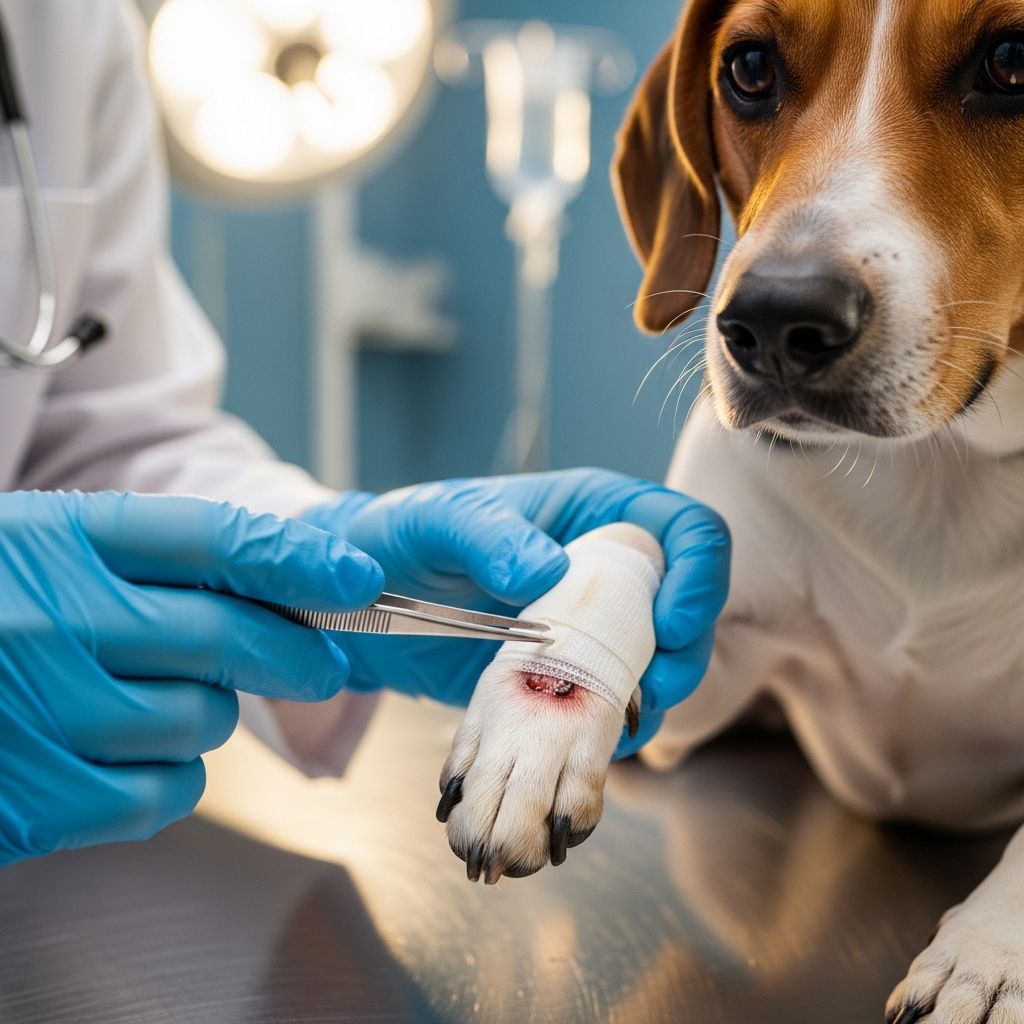
Accidents happen, and dogs can sustain cuts, scrapes, or punctures during play, walks, or encounters with hazards. Knowing how to provide immediate, effective care for minor wounds can prevent complications, reduce pain, and promote quick healing. This guide outlines proven steps for home treatment, drawing from veterinary recommendations to help you act confidently.
Understanding Common Dog Injuries
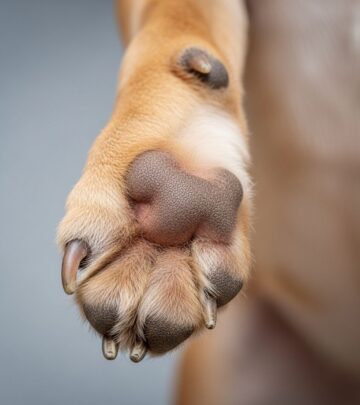
Dogs frequently suffer from superficial lacerations on paws from glass or thorns, abrasions from rough terrain, or bites from scuffles. Deeper punctures, especially from animal claws or teeth, carry higher infection risks due to bacteria introduced. Recognizing injury types helps tailor your response: shallow wounds often heal with basic care, while anything exposing fat, muscle, or bone demands professional attention.
- Cuts and scrapes: Surface-level, bleed lightly, heal in days.
- Punctures: Narrow but deep, prone to abscesses.
- Bite wounds: Multi-layered damage with contamination risk.
Preparing Your Dog First Aid Kit
Stock essentials for prompt action. A well-equipped kit minimizes delay and contamination.
| Item | Purpose |
|---|---|
| Sterile gauze pads | Direct pressure, covering wounds |
| Self-adherent bandages | Secure dressings without tape |
| Chlorhexidine solution (diluted) | Gentle antiseptic cleaning |
| Tweezers | Debris removal |
| Clean towels/cloths | Bleeding control, padding |
| Scissors or clippers | Trim fur around injury |
| Disposable gloves | Prevent cross-contamination |
| Muzzle or restraint | Safety for painful dogs |
| Saline solution | Flushing wounds |
Keep this kit accessible, refreshed yearly, and include your vet’s emergency contact.
Immediate Steps: Controlling Bleeding
The priority is hemostasis—stopping blood loss to assess damage. Apply firm, direct pressure using sterile gauze or a clean cloth for 3-5 minutes without peeking, allowing clots to form. Elevate the limb above heart level if possible to slow flow. For paw wounds, press between toes if needed. Most minor bleeds halt in under 10 minutes; persistent oozing signals urgency—rush to a vet.
Avoid tourniquets unless trained, as they risk tissue death. If an object protrudes, don’t remove it; stabilize and seek help.
Cleaning the Wound Properly
Once bleeding stops, expose the area by clipping fur short (1/4 inch) to prevent matting—cover first with lubricant if anxious. Don gloved hands or use tweezers for visible debris like thorns; never dig deeply.
Flush copiously with tepid saline or tap water via syringe for high-pressure rinse, dislodging microbes. Pat dry gently. Apply diluted chlorhexidine (0.05-0.1% solution) as the sole topical—avoid hydrogen peroxide, alcohol, or iodine, which damage healing tissue and delay closure. For paw pads, soak in soapy warm water briefly.
Applying Protective Dressings
Smear a thin antibiotic ointment layer (pet-safe, no steroids) over the cleaned site. Layer non-stick gauze, then absorbent padding, topped by elastic cohesive bandage—snug but not circulation-cutting (toe-check every 15 minutes). For torsos or necks, use stockinette or vet wrap alternatives. Change dressings 2-3 times daily, re-cleaning each time.
Leave air exposure for small, clean wounds after initial care to encourage drying, but cover oozing or contaminated ones.
The Healing Timeline Explained
Dog wounds progress through phases, each demanding specific support.
- Inflammatory phase (days 1-3): Swelling, redness, warmth as immune cells arrive—ice 10 minutes hourly if excessive.
- Debridement (days 3-5): Dead tissue sloughs; clean diligently to aid.
- Repair/proliferation (week 1-2): Pink granulation tissue forms; keep moist but protected.
- Maturation (weeks 3+): Scar strengthens; limit activity.
Full tensile strength takes months; scars remain weaker lifelong.
Daily Monitoring Protocol
Inspect twice daily: note size reduction, edge contraction, clear discharge. Measure length/width weekly. Success shows drier, smaller wounds with healthy pink tissue.
- Redness fading
- Mild clear seepage ok
- No escalating pain
Red Flags: When to Call the Vet
Act fast on these infection harbingers—bacterial overgrowth escalates rapidly in dogs.
- Increasing swelling/pain: Limping worsens, dog guards area.
- Pus/discharge: Thick yellow/green, foul-smelling.
- Heat/fever: Lethargy, appetite loss.
- Non-healing: No progress in 5-7 days.
- Deep/large wounds: >1 inch, involving joints/tendons.
Bites, especially cat punctures, warrant antibiotics regardless. Systemic signs like vomiting demand ER.
Advanced Home Care Techniques
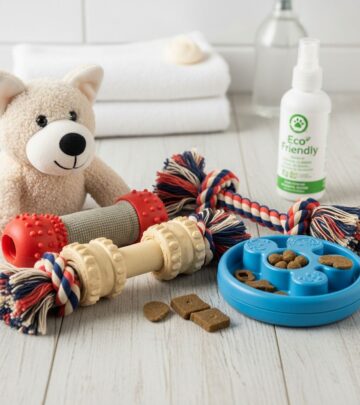
For chronic issues, honey (medical-grade Manuka) offers antibacterial moisture. Cold laser therapy devices (vet-approved) speed repair. Ensure 1.5x calories during recovery via nutrient-dense food. Crate rest prevents re-injury—use puzzle toys for mental stimulation.
Preventing Future Wounds
Proactive habits slash risks: inspect paws post-walks, trim nails quarterly, supervise rough play. Booties shield ice/salt; tick preventives avoid abscesses. Vaccinate for rabies—mandated for bite scenarios.
Frequently Asked Questions
Can I use human Neosporin on my dog?
Pet versions without pain relievers or steroids are safe sparingly; avoid eyes/mouth. Consult vet for brands.
How long before a dog wound scabs?
1-3 days for minors; discourage licking with cones.
Is it ok if my dog licks a bandaged wound?
No—bacteria thrive in saliva. Use e-collars or bitter sprays.
What if bleeding restarts after bandaging?
Re-apply pressure 5 minutes; if nonstop, vet now.
Do all wounds need stitches?
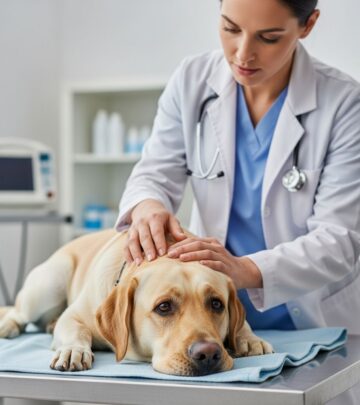
Only clean, fresh (<12 hours) edges approximable without tension. Vets assess.
References
- Dog Wound Care Guide — Port City Veterinary Referral Hospital. 2023. https://www.portcityvet.com/blog/dog-wound-care-guide
- Dog Wound Care: Complete Guide — Westfield Animal Hospital. 2024-04-15. https://www.westfieldanimal.com/site/blog/2024/04/15/dog-wound-care
- Dog Wound Care: Complete Guide — Pittsboro Animal Hospital. 2023-11-30. https://www.pittsboroanimalhospital.com/site/blog/2023/11/30/dog-wound-care
- Dog Wound Care — AKC. 2023. https://www.akc.org/expert-advice/health/dog-wound-care/
- Initial Wound Management in Small Animals — Merck Veterinary Manual. 2023. https://www.merckvetmanual.com/emergency-medicine-and-critical-care/wound-management-in-small-animals/initial-wound-management-in-small-animals
Similar Articles





Read full bio of medha deb