

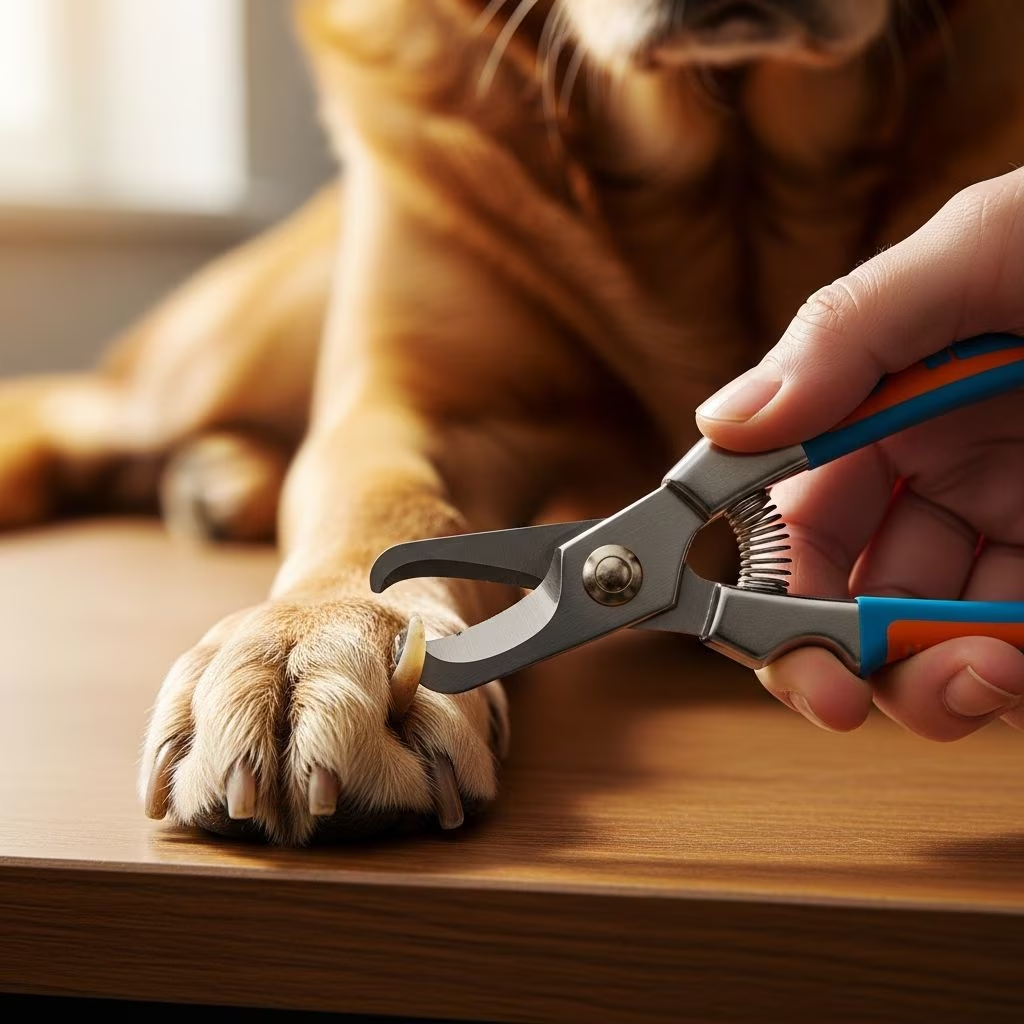
Regular nail trimming is a fundamental aspect of canine care that directly impacts your dog’s comfort, mobility, and long-term health. Overgrown nails can lead to pain, altered gait, and joint strain, making this routine task non-negotiable for responsible pet owners.
Understanding Canine Nail Anatomy
Dogs’ nails consist of a hard outer keratin layer protecting a sensitive inner core called the quick, which houses blood vessels and nerves. In light-colored nails, the quick is visible as a pink area; in dark nails, it’s hidden, requiring caution during trimming. The nail grows continuously from the root at the base of the toe, similar to human fingernails but faster in active dogs.
Neglecting this growth causes nails to curve downward, pressing into the ground and forcing the toe joints to flex unnaturally. This pressure radiates up the leg, stressing elbows, shoulders, and spine over time. Proper length allows natural weight distribution, with nails just touching the ground when standing but not clicking on hard floors.
Health Risks of Overgrown Nails
Unchecked nail growth triggers multiple issues. Primarily, it causes chronic paw discomfort as nails dig into pads, leading to splits, tears, or infections from trapped debris. Dogs may limp, avoid walks, or develop behavioral changes like irritability due to pain.
- Pain and Mobility Loss: Long nails alter posture, splaying toes and flattening pads, which compromises balance and increases slip risks on smooth surfaces.
- Joint and Bone Stress: Misaligned paws overload joints, accelerating arthritis in seniors or active breeds.
- Injury Potential: Extended nails snag easily, causing painful breaks that may require veterinary intervention.
- Infection Hazards: Cracks harbor bacteria, leading to painful abscesses if untreated.
These problems compound in indoor dogs lacking abrasive surfaces like pavement to naturally file nails. Breeds with fast-growing or curly nails, such as Labradors or Poodles, face heightened risks.
Advantages of Consistent Nail Maintenance
Maintaining short nails yields immediate and lasting benefits. Dogs regain confident movement, engaging more in play and exercise, which boosts cardiovascular health and mental well-being.
| Benefit | Impact on Dog |
|---|---|
| Improved Gait | Reduces joint torque, preventing deformities |
| Better Traction | Enhances grip, lowering fall risks |
| Pain Prevention | Eliminates toe pressure and pad strain |
| Stronger Nails | Avoids brittleness from overgrowth |
Short nails also protect household surfaces from scratches and signal good grooming hygiene to vets during checkups.
Ideal Trimming Frequency
Most dogs need trims every 3-4 weeks, though active outdoor pups may go longer. Puppies grow faster, requiring weekly sessions initially to acclimate them. Monitor by observing: if nails click on tile or fan out when standing, act promptly. Frequent light trims prevent quick recession, making future sessions safer.
Tools for Effective Nail Care
Select tools based on nail type and dog size. Guillotine-style clippers suit small breeds for precise cuts; scissor types work for medium dogs. Rotary grinders offer gradual filing, ideal for anxious pets or black nails.
- Clippers: Quick but risk quick hits if overused.
- Grinders: Safer for shaping, dustier operation.
- File: Manual smoothing post-trim.
- Styptic Powder: Essential for bleeding control.
Invest in sharp, quality tools to avoid crushing nails, which causes micro-fractures.
Step-by-Step Nail Trimming Guide
Transform trims into positive experiences with preparation.
- Desensitize Gradually: Touch paws daily, rewarding calm behavior.
- Choose Quiet Time: Post-walk when relaxed, good lighting.
- Secure Position: Sit dog between legs or on side.
- Clip Conservatively: Snip 2mm at a time, perpendicular to quick.
- Grind Edges: Smooth tips to prevent snags.
- Check All Paws: Include dewclaws.
- Reward Lavishly: Treats build association.
For tough cases, soak nails in warm water 10 minutes pre-trim to soften.
Clipping vs. Filing: Pros and Cons
Clipping delivers fast results but risks pain from quick cuts or splintering. Filing grinds slowly, minimizing injury and stress, though time-intensive. Hybrids combine both for best outcomes.
| Method | Pros | Cons |
|---|---|---|
| Clipping | Speedy, precise length reduction | Quick injury risk, noise frightens |
| Filing/Grinding | Gentle, shapes naturally, stress-free | Slower, generates dust |
Filing suits puppies, seniors, or fear-prone dogs, preserving nail integrity.
Handling Fearful or Resistant Dogs
Anxiety turns trims into battles. Counter-condition with sessions mimicking tools’ sounds sans contact. Use high-value distractions like peanut butter. For severe cases, muzzle-train and consult pros. Post-exercise tiredness aids cooperation. Progress from paw holds to full trims over weeks.
Recognizing and Treating Nail Emergencies
Bleeding from quick hits? Apply styptic powder firmly; pressure stops most flows. Torn nails need cleaning and bandaging; vet for deep embeds. Signs of infection: swelling, pus, limping—seek antibiotics promptly.
Professional Services: When to Opt In
Home trims build bonds but vets/groomers handle black nails or phobias expertly. Mobile services minimize stress. Cost: $10-25 per session, worth injury prevention.
FAQs
How often should I trim my dog’s nails?
Every 3-4 weeks, or when they touch the ground while standing.
What if I cut the quick?
Stay calm, apply styptic powder, and trim less next time.
Can walking on pavement replace trimming?
No, soft surfaces don’t suffice; supplement with regular care.
Are grinders better than clippers?
For anxious dogs, yes; they reduce injury risks.
What breeds need more frequent trims?
Indoor breeds like Bulldogs or those with dark/fast-growing nails.
Long-Term Strategies for Nail Health
Integrate trims into routines, track growth via photos, and pair with paw massages for circulation. Diet with biotin supports strong nails. Annual vet checks catch issues early. Consistent care ensures agile, pain-free years.
By prioritizing nail maintenance, you safeguard your dog’s quality of life, from joyful romps to graceful aging. Start small, stay patient—healthy paws await.
References
- Trimming Dogs’ Nails | Why It’s Important & Tips for Anxiety — Tier1Vet. 2023. https://tier1vet.com/trimming-dogs-nails/
- The Importance of Trimming Dog Nails — Whole Dog Journal. 2023. https://www.whole-dog-journal.com/care/nail-clipping/the-importance-of-clipping-dogs-nails/
- Health Benefits of Filing vs. Clipping — D.O.G Nail Care Professionals. 2023. https://www.dognailcareprofessionals.com/post/health-benefits-of-filing-vs-clipping
- The Importance of Regular Nail Trimming for Your Dog’s Health — Clipit Grooming. 2023. https://www.clipit-grooming.com/post/the-importance-of-regular-nail-trimming-for-your-dog-s-health-and-happiness
- Why Trimming Your Dog’s Nails is Important — Thrive Pet Healthcare. 2024. https://www.thrivepetcare.com/thrive-guide/why-trimming-your-dogs-nails-is-important



