Dog Hydration: Essential Guide To Keep Your Pet Healthy
Discover proven strategies to keep your dog hydrated, recognize dehydration risks, and ensure optimal health through daily water management.
Essential Guide to Dog Hydration
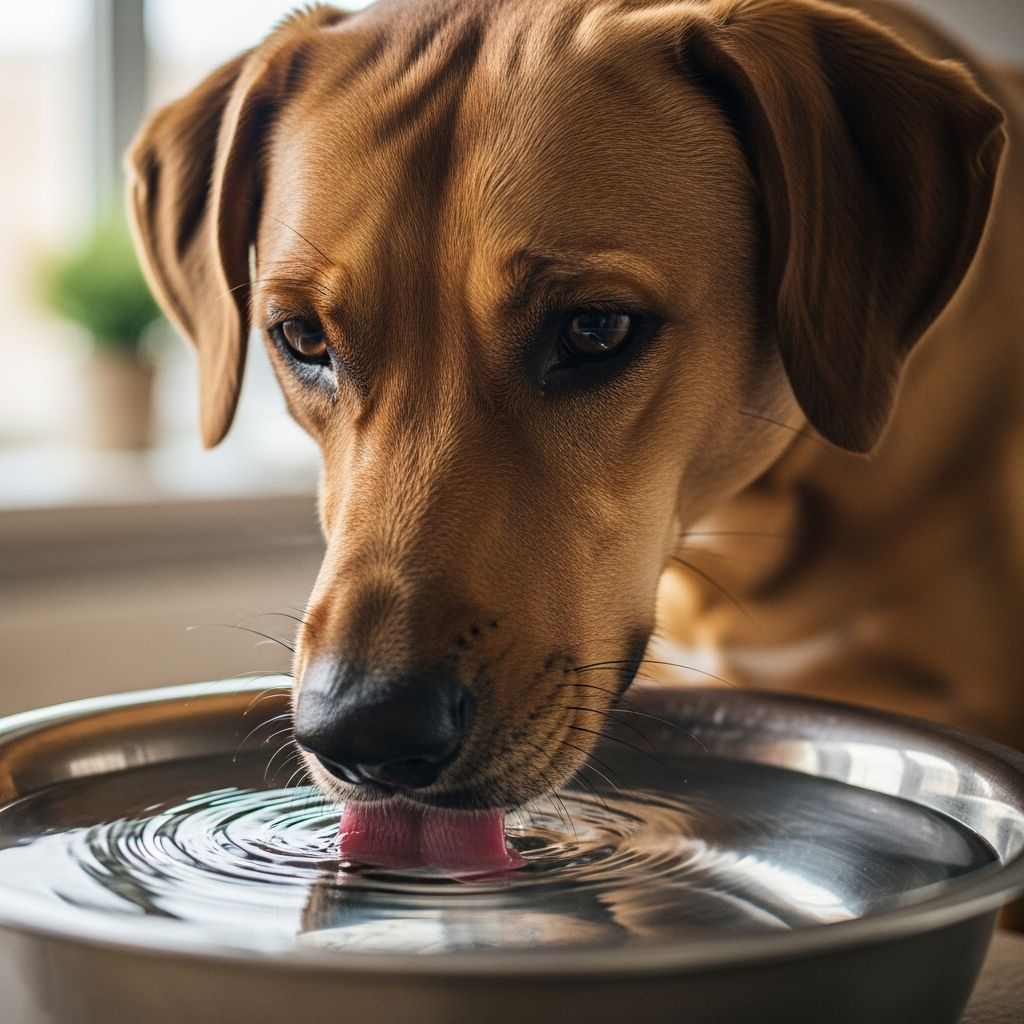
Hydration forms the cornerstone of canine well-being, influencing everything from organ performance to physical vitality. Dogs depend on adequate water consumption to regulate temperature, support digestion, and maintain joint flexibility, with deficiencies potentially leading to severe health setbacks.
Why Water is Critical for Canine Physiology
Water constitutes about 70% of a dog’s body weight and participates in nearly every biological process. It facilitates nutrient transport to cells, aids in waste elimination, and ensures smooth blood circulation for oxygen delivery. Without sufficient intake, these systems falter, compromising overall vitality.
Key physiological roles include:
- Temperature Control: Dogs cool via panting, a water-intensive process. In hot conditions or post-exercise, replenishment prevents heat-related distress.
- Digestive Support: Fluids soften food, promote saliva production, and prevent blockages like constipation by easing bowel movements.
- Joint and Muscle Maintenance: Hydration lubricates synovial fluids in joints, reducing stiffness especially in active or aging dogs.
- Organ Detoxification: Kidneys filter toxins using water; inadequate levels strain these organs, risking long-term damage.
- Skin and Coat Integrity: Moisturized tissues yield supple skin and shiny fur, minimizing itchiness and flakiness.
Daily Water Requirements for Dogs
Veterinarians recommend approximately one ounce of water per pound of body weight each day as a baseline. A 50-pound dog thus needs about 50 ounces, or over three pints, adjusting for factors like diet type, climate, and exertion levels.
| Dog Size | Weight Range (lbs) | Daily Water Needs (oz) | Adjustments |
|---|---|---|---|
| Small | 5-20 | 5-20 | Increase 20-50% in heat or activity |
| Medium | 21-50 | 21-50 | Dry food diets add 10-20% more |
| Large | 51-100 | 51-100 | Seniors may need monitored increase |
| Giant | 101+ | 101+ | Pregnant/lactating: double baseline |
Dogs on kibble require more fluids than those eating wet food, which supplies 70-80% moisture. Hot weather or intense play can double needs, while illness reduces appetite for water.
Spotting Dehydration in Your Dog
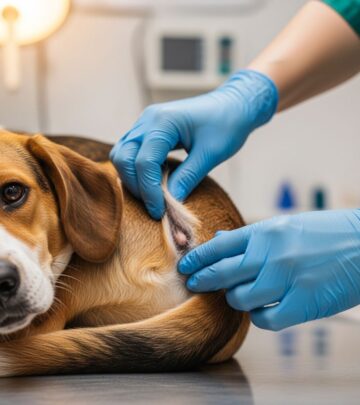
Early detection averts complications. Monitor gums: pale, dry, or slow to revert from white after pressing signal issues. Other indicators encompass sunken eyes, lethargy, and reduced skin elasticity—pinch the scruff; it should snap back instantly.
Advanced symptoms include:
- Excessive panting or drooling
- Loss of appetite or vomiting
- Dark yellow urine or infrequent urination
- Weak pulse and rapid heartbeat
Severe cases demand immediate veterinary care, as dehydration escalates to organ failure. Track intake daily to baseline normalcy.
Practical Strategies to Boost Water Consumption
Enhance appeal and access to encourage drinking. Stainless steel bowls stay cleanest; wash daily with soap, disinfect weekly via vinegar soak.
Effective methods:
- Water Fountains: Circulating flow mimics streams, drawing finicky drinkers; filters maintain freshness.
- Flavor Enhancers: Add vet-approved broth to plain water for taste without calories.
- Multiple Stations: Place bowls in every room, refreshing frequently.
- Moisture-Rich Foods: Incorporate canned meals, soaked kibble, or hydrating treats like cucumber slices.
- Ice Treats: Frozen broth cubes provide slow hydration fun, ideal for hot days.
Smart trackers monitor volumes, alerting to drops that may indicate illness.
Hydration Challenges Across Life Stages
Puppies and Seniors
Puppies’ rapid growth demands vigilant hydration for development; offer small, frequent volumes to match tiny bladders. Seniors face diminished thirst signals, heightening kidney risks—proactive measures like warmed water entice them.
Active and Working Dogs
High-energy breeds lose fluids swiftly; portable bottles during runs ensure replenishment, preventing cramps.
Medical Conditions Impacting Intake
Dogs with diabetes or kidney disease require tailored plans. Consult vets for electrolyte solutions during recovery.
Seasonal and Environmental Adjustments
Summer heat amplifies needs; provide shaded bowls and limit midday exercise. Winter indoor heating dries air, so humidifiers aid alongside consistent offerings. Travel with collapsible bowls to maintain routines.
Integrating Hydration into Routine Care
Pair water checks with meals and walks. Annual vet exams include hydration assessments; bloodwork reveals chronic shortfalls early. Home logs track patterns, flagging anomalies like post-illness dips.
Frequently Asked Questions
How can I tell if my dog is drinking enough?
Observe urine clarity (pale yellow ideal), gum moisture, and steady energy. Measure bowl levels daily against baselines.
Is tap water safe for dogs?
Generally yes, but filter if hard water causes issues. Avoid stagnant sources outdoors.
What if my dog refuses water?
Try fountains, flavors, or wet food transitions. Persistent refusal warrants vet evaluation for underlying causes.
Can overhydration occur?
Rare in healthy dogs; excess leads to frequent urination. Monitor during high-salt diets or illness.
Best bowl materials for hygiene?
Stainless steel or ceramic; avoid plastic which scratches and harbors bacteria.
Long-Term Benefits of Consistent Hydration
Steady intake fortifies immunity, sharpens cognition, and extends lifespan by easing organ burdens. Owners report livelier pets with glossier coats and fewer vet visits. Commit to these habits for enduring companionship rewards.
References
- Why Pet Hydration Matters — Alexander Animal Hospital. 2023-06-15. https://www.alexanderanimalhospital.com/why-pet-hydration-matters/
- The Importance of Hydration in Dog Health — Rollover Pet Food. 2024-02-10. https://rolloverpetfood.com/blog/the-importance-of-hydration-in-dog-health/
- Understanding the Vital Importance of Pet Hydration — Bowman Veterinary Clinic. 2023-11-20. https://www.bowmanvet.com/blog/quenching-the-thirst-understanding-the-vital-importance-of-pet-hydration/
- Why Dogs Need to Stay Hydrated — Primo Water. 2024-05-05. https://www.water.com/education/why-dogs-need-to-stay-hydrated/
- Why Hydration is Essential for Your Pet’s Skin Health — Supertails. 2024-08-12. https://supertails.com/blogs/healthcare/why-hydration-is-essential-for-your-pets-skin-health
- The Importance of Hydration for Pets — EMC Animal Hospital. 2023-09-18. https://www.emcanimalhospital.com/blog/the-importance-of-hydration-for-pets-water-and-pet-health
- Healthy Hydration: Summer Safety Tips for Pets — Pet Supplies Plus. 2024-06-22. https://www.petsuppliesplus.com/resources/learning-center/articles/summer-hydration-tips-for-pets
Similar Articles





Read full bio of medha deb