

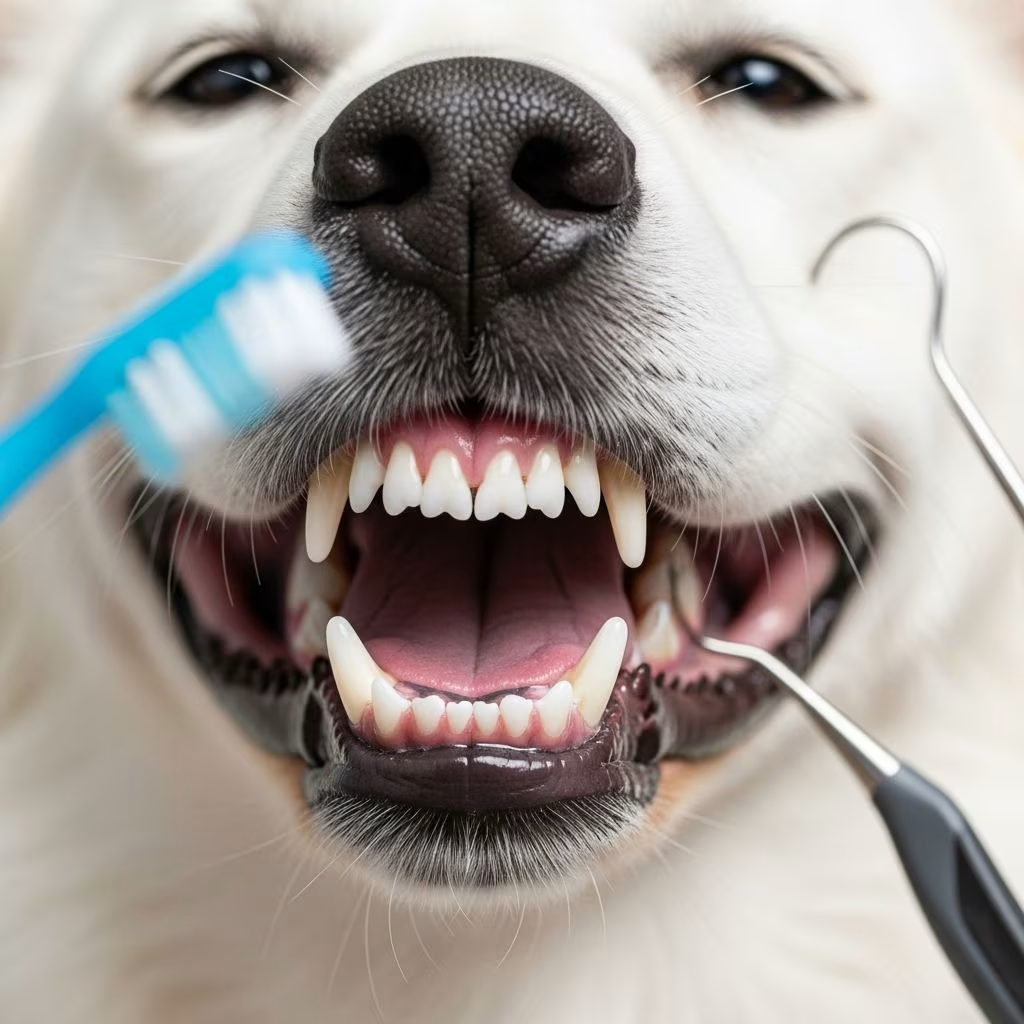
Proper dental care is vital for dogs to avoid issues like plaque buildup, tartar accumulation, gum disease, and tooth loss, which can lead to pain and systemic health problems. Regular at-home maintenance combined with periodic veterinary checkups forms the foundation of effective canine oral health management.
Why Prioritize Your Dog’s Oral Health?
Dogs suffer from dental disease more than any other health condition, with plaque hardening into tartar that irritates gums and fosters bacteria growth. This can result in periodontitis, bad breath, loose teeth, and even heart or kidney complications from bacterial spread. Early intervention through consistent routines prevents these outcomes, promoting longevity and comfort.
Owners often notice signs like discolored teeth, excessive drooling, pawing at the mouth, or reluctance to chew. Addressing these promptly with targeted hygiene practices maintains your pet’s well-being.
Gathering the Proper Equipment for At-Home Care
Selecting pet-safe tools is crucial, as human products contain harmful ingredients like fluoride or xylitol. Opt for enzymatic toothpastes flavored for dogs, such as poultry or mint varieties, which break down proteins in plaque.
- Dog-Specific Toothbrushes: Soft-bristled options or finger brushes suit small breeds; dual-ended brushes work for larger dogs.
- Enzymatic Toothpaste: Breaks down bacteria without rinsing needed.
- Supporting Aids: Dental wipes, gels, powders, and water additives for comprehensive cleaning.
Consult your vet for brand recommendations, prioritizing those verified by the Veterinary Oral Health Council (VOHC) for proven efficacy.
Mastering the Brushing Technique Step by Step
Introduce brushing gradually to build positive associations. Aim for sessions two to three times weekly, ideally daily for best results.
- Prepare the Environment: Choose a quiet area; let your dog sniff the toothpaste first.
- Apply Paste: Dab a pea-sized amount on your finger or brush.
- Gentle Introduction: Rub outer tooth surfaces for 10-15 seconds initially.
- Proper Strokes: Hold the brush at a 45-degree angle to the gumline; use circular motions focusing on outer surfaces, as inner access is often limited.
- Duration and Reward: Extend to 30 seconds per side over time; end with praise or a treat.
Consistency turns this into a bonding ritual, reducing stress and enhancing compliance.
Supplementary Products to Enhance Cleaning
Brushing alone may not suffice for all dogs; integrate these VOHC-approved alternatives to target plaque comprehensively.
| Method | Benefits | Usage Tips |
|---|---|---|
| Dental Chews | Mechanically scrapes tartar; satisfies chewing instinct | Daily, size-appropriate; not a brushing substitute |
| Water Additives | Reduces bacteria via enzymes; easy daily integration | Add to bowl per instructions; tasteless formulas preferred |
| Dental Powders | Probiotics balance oral flora; sprinkle on food | Every meal for breath freshening and plaque control |
| Wipes and Gels | Quick surface clean; ideal for resistant pets | Weekly wipes; gels applied post-brushing |
Rotate products to maintain engagement and maximize coverage of hard-to-reach areas.
Understanding Professional Dental Procedures
At-home efforts control plaque but cannot remove established tartar, especially subgingivally. Annual or biannual vet cleanings under anesthesia ensure thorough care.
Standard protocol includes:
- Pre-procedure bloodwork and fasting for safety.
- Full-mouth radiographs to detect hidden issues.
- Supragingival and subgingival scaling with ultrasonic and hand tools.
- Polishing to smooth enamel and reduce future buildup.
- Probing for pocket depths; extractions if needed.
- Fluoride treatments and sealants for protection.
These steps, performed by licensed professionals, mitigate advanced disease risks.
Non-Anesthetic Options: Pros, Cons, and Best Practices
For mild cases or maintenance, anesthesia-free cleanings appeal to owners wary of sedation. Techniques involve conscious restraint, wipes, scaling accessible surfaces, and calming aids like swaddles or breaks.
However, limitations persist: subgingival cleaning is incomplete without anesthesia, per AAHA guidelines, potentially overlooking pathology. Reserve for healthy mouths; combine with home care for monitoring.
Recognizing and Preventing Common Dental Problems
Monitor for red gums, persistent odor, or eating changes. Breeds like small dogs or brachycephalics face higher risks due to crowded teeth.
Prevention strategies:
- Daily diets with kibble promoting chewing.
- Regular vet exams during wellness visits.
- Address breed predispositions early.
Proactive measures avert costly treatments and discomfort.
Building a Sustainable Dental Care Routine
Track progress with photos of teeth monthly. Adjust based on your dog’s response, consulting vets for tailored plans. Involve family for consistency.
For puppies, start young to normalize care. Seniors may need gentler approaches or frequent pro cleanings.
Frequently Asked Questions
Is human toothpaste safe for dogs?
No, it contains toxic fluoride and foaming agents. Use enzymatic pet formulas only.
How frequently should I brush my dog’s teeth?
Daily is optimal; 2-3 times weekly yields benefits if daily isn’t feasible.
Can dental chews replace brushing?
No, they supplement by reducing tartar mechanically but lack full plaque removal.
When is professional cleaning necessary?
Once tartar forms or annually for prevention, as home care can’t address below-gum buildup.
Are water additives effective?
Yes, they inhibit bacteria growth; choose VOHC-approved for verified results.
Long-Term Benefits of Consistent Care
Dedicated routines yield fresher breath, brighter teeth, pain-free eating, and lower vet bills. Healthier mouths correlate with overall vitality, underscoring dental hygiene’s role in holistic pet care.
References
- Understanding Anesthesia-Free Dog Dental Care — Cain Hoy Veterinary Hospital. 2023. https://www.cainhoyvet.com/how-to-dog-teeth-cleaning-without-anesthesia/
- 8 Tips for Dog Teeth Cleaning — VMC Easton. 2024. https://vmceaston.com/blog/dog-teeth-cleaning/
- 2019 AAHA Dental Care Guidelines for Dogs and Cats: Essential Steps — American Animal Hospital Association (AAHA). 2019-02-01. https://www.aaha.org/resources/2019-aaha-dental-care-guidelines-for-dogs-and-cats/essential-steps/
- Dental Cleaning in Dogs — VCA Animal Hospitals. 2023. https://vcahospitals.com/know-your-pet/dental-cleaning-in-dogs
- Dog Dental Care: 6 Ways to Keep a Dog’s Mouth Clean — PetMD. 2024. https://www.petmd.com/dog/general-health/dog-dental-care-ways-keep-dogs-mouth-clean
- Tips on How to Prepare A Dog for Teeth Cleaning — NEVCCC. 2022-06-15. https://www.nevccc.com/site/blog/2022/06/15/tips-prepare-dog-teeth-cleaning
- Calming Techniques for Non-Anesthetic Pet Dental Cleaning — HealthySmiles.pet. 2023. https://healthysmiles.pet/blog/calming-techniques-non-anesthetic-pet-dental-cleaning



