

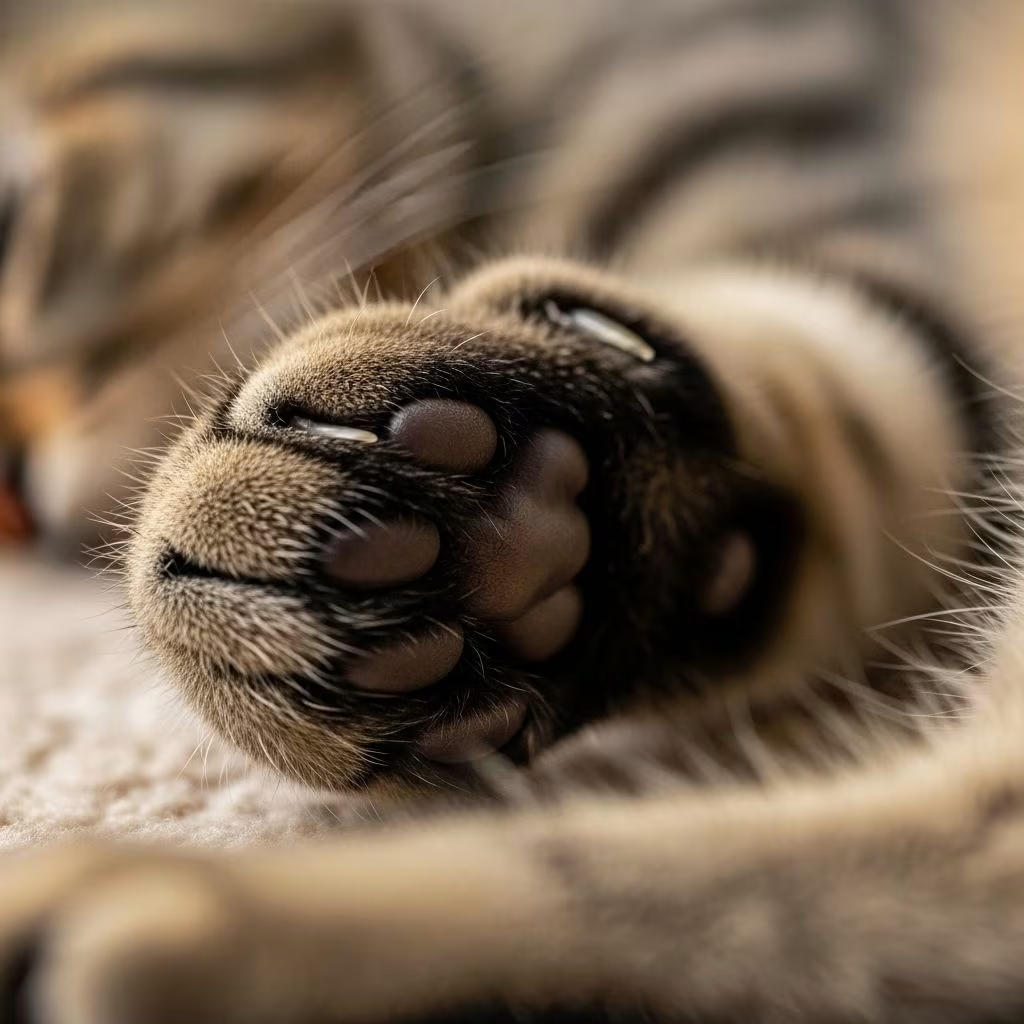
Cat paws, often called toe beans, are vital for balance, traction, and sensory feedback. Proper care prevents discomfort and detects issues early, supporting your pet’s active lifestyle.
The Anatomy and Role of Feline Paw Pads
Feline paw pads consist of tough, elastic skin filled with fat for cushioning, covered in ridged textures for grip. They contain sweat glands for cooling and scent glands for territory marking. These pads enable silent stalking, high jumps, and rapid direction changes.
Indoor cats face litter dust and smooth floors, while outdoor ones encounter pavement, chemicals, and extremes. Understanding this helps tailor care routines.
Signs Your Cat’s Paws Need Attention
Monitor for limping, excessive licking, reluctance to jump, or visible swelling/redness. Cats mask pain, so subtle changes like altered gait signal problems. Foreign objects, cracks from dry air, or burns from hot surfaces require prompt checks.
- Limping or favoring one paw: Possible thorn, cut, or sprain.
- Redness or swelling: Infection or allergy.
- Cracks or peeling: Dryness from low humidity or chemicals.
- Overgrown fur/nails: Traps debris, causes matting.
Daily Paw Inspection Routine
Integrate checks during petting sessions. Gently spread toes to scan for debris, cuts, or parasites. Use treats to build tolerance; start with short sessions.
Post-litter or outdoor time, examine closely. Tweezers remove shallow objects; deeper ones need vet care.
| Inspection Step | What to Look For | Action if Found |
|---|---|---|
| Visual scan | Cuts, swelling, discoloration | Clean and monitor |
| Toe separation | Debris, mats, foreign items | Remove gently |
| Pad pressure test | Sensitivity, cracks | Moisturize or vet visit |
| Nail check | Length, splits | Trim if needed |
Cleaning Techniques for Healthy Paws
Wipe paws daily with pet-safe wipes or warm water-dampened cloth to remove litter, dirt, or salts. Avoid human soaps that irritate. For thorough cleans, use unscented baby wipes formulated for pets.
Dry paws fully to prevent fungal growth. Long-haired breeds benefit from fur trimming around pads using blunt scissors.
Moisturizing Dry and Cracked Pads
Dryness stems from low humidity, hot pavements, or de-icers. Apply vet-approved balms like those with beeswax or natural oils post-cleaning. Massage in thinly; reapply after licking subsides.
Safe options:
- Pet-specific paw balms for hydration barrier.
- Coconut or olive oil sparingly (natural antibacterial).
- Avoid vaseline/human lotions—toxic if ingested.
Nutrition aids: Omega-rich foods support skin health.
Nail Trimming and Claw Maintenance
Overgrown nails curl into pads, causing pain. Trim every 2-4 weeks with cat clippers, avoiding quick (pink vein). One paw per session minimizes stress.
Provide scratching posts to naturally file claws, reducing indoor damage.
Protecting Paws from Environmental Hazards
Booties shield from salts/heat for outdoor cats, though few tolerate them. Indoor humidity control and litter mat use prevent cracks. Limit rough surface exposure.
Common Paw Problems and Treatments
Injuries and Cuts
Clean minor wounds with saline; apply antibiotic ointment. Bandage loosely if needed, but cats often remove them.
Infections and Allergies
Signs include pus, odor, hair loss. Vet-prescribed antibiotics or antifungals treat these.
Pododermatitis
Inflammation from allergies or autoimmune issues; requires professional diagnosis.
Seasonal Paw Care Strategies
| Season | Risks | Prevention Tips |
|---|---|---|
| Summer | Hot asphalt burns | Paw tests before walks, cool paths |
| Winter | Salt, ice cracks | Wipe after outside, moisturize daily |
| Indoor Dry | Heating/AC dryness | Humidifier, regular balms |
Building Positive Paw Handling Habits
Pair touches with play/treats from kittenhood. Calm environments foster trust, making grooming easier lifelong.
Nutrition’s Role in Paw Vitality
Balanced diets with fatty acids, vitamins A/E, and zinc promote resilient pads. Wet food boosts hydration. Consult vets for supplements.
When to Consult a Veterinarian
Seek help for persistent limping, non-healing wounds, or sudden changes. Early intervention prevents complications.
Frequently Asked Questions
Can I use human lotion on cat paws?
No—ingredients like zinc oxide are toxic if licked. Stick to pet products.
How often should I trim my cat’s nails?
Every 2-4 weeks, or when they snag fabrics.
Why does my cat lick paws excessively?
Possible irritation, allergies, or stress. Check for issues; vet if ongoing.
Are paw booties effective for cats?
They protect but most cats resist. Train gradually or use alternatives.
What if my cat has cracked pads that bleed?
Clean, apply balm, restrict activity, and see vet promptly.
Long-Term Benefits of Paw Care
Consistent routines enhance mobility, reduce vet visits, and strengthen bonds. Healthy paws mean agile, joyful cats at any age.
References
- Five Cat Paw-Care Tips — Animal Care Clinic. 2014-02-15. https://lexingtonveterinarian.com/2014/02/15/fayette-county-vet-cat-paw-care/
- Practical Tips For Cat Paw Care — Multipet. N/A. https://www.multipet.com/practical-tips-for-cat-paw-care/
- Cracked & Dry Cat Paws | Why They Happen & How to Help — Lolahemp. N/A. https://lolahemp.com/blogs/cat-health/cat-dry-paws-guide
- What do you have to look out for in your cat’s paws? — Catslove. N/A. https://www.catslove.com/en/right-care-for-cat-paws
- The Ultimate Guide to Your Cat’s Paws — Comforted Kitty. N/A. https://comfortedkitty.com/understanding-cat-paws-guide/
- Cat Paw Care Tips — Modkat. N/A. https://modkat.com/blogs/modkat-purrr/cat-toe-beans-how-to-keep-your-kitty-s-paws-healthy
- Exploring the Mysteries of Cat Pads — TICA. N/A. https://tica.org/blogs/exploring-the-mysteries-of-cat-pads-understanding-their-purpose-and-function/



