

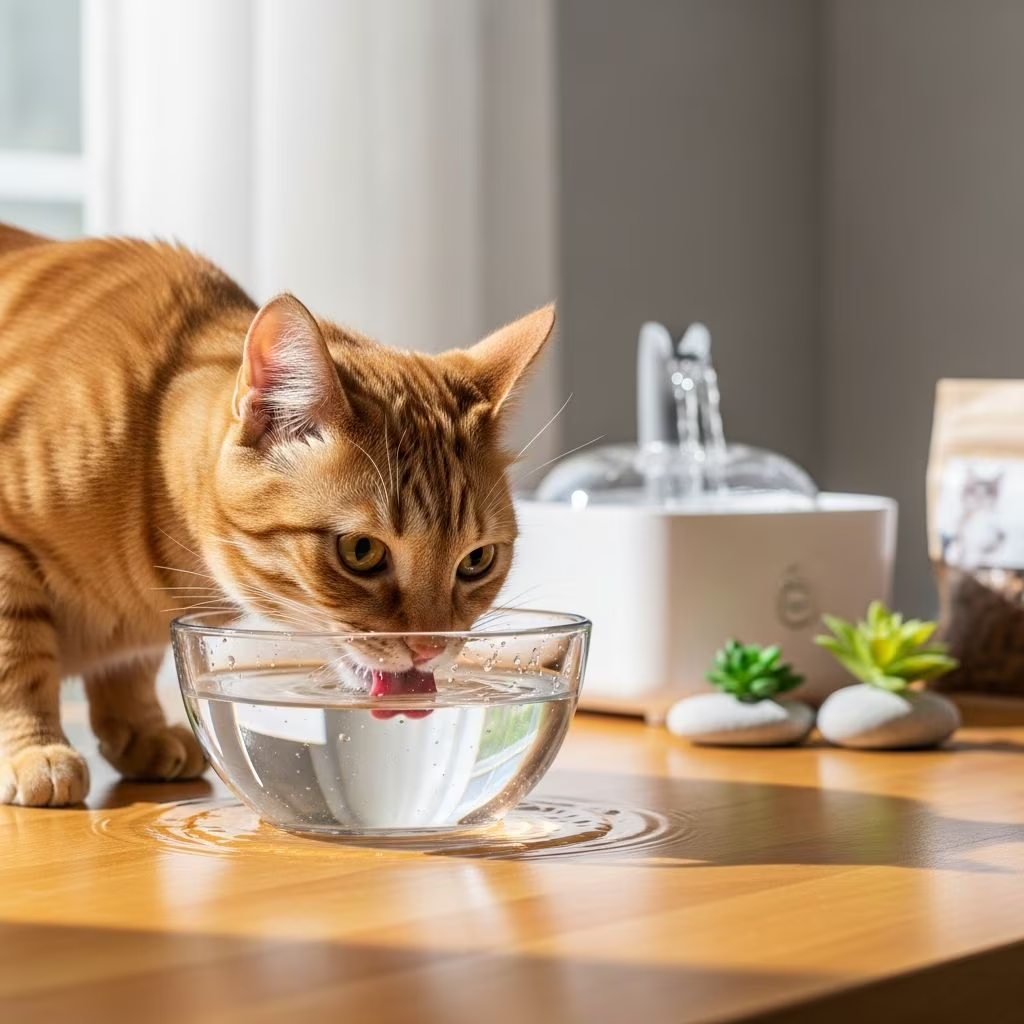
Proper hydration is fundamental to your cat’s health, supporting kidney function, digestion, and overall vitality. Cats, descendants of desert-dwelling wildcats, have evolved with low thirst drives, making proactive hydration management essential for domestic pets.
Understanding Feline Water Requirements
Cats require specific daily water intake to maintain bodily functions. On average, a cat needs about 60ml of water per kg of body weight daily, meaning a 4kg cat should consume roughly 240ml—or one cup—each day. Alternatively, guidelines suggest around 4 ounces per 5 pounds of body weight, adjustable for activity, temperature, and diet.
Water needs tie directly to caloric intake: roughly 1ml per kcal consumed, though healthy cats may range from 0.6 to 0.8ml/kcal. Dry food diets, low in moisture, prompt more drinking, while wet foods (70-80% water) reduce free-water needs.
| Cat Weight | Daily Water Need (ml) | Approx. Ounces |
|---|---|---|
| 2kg (4.4lbs) | 120ml | 4oz |
| 4kg (8.8lbs) | 240ml | 8oz |
| 6kg (13.2lbs) | 360ml | 12oz |
This table provides a baseline; monitor and adjust based on your cat’s specifics.
Why Cats Resist Drinking and Evolutionary Roots
Cats’ minimal thirst response stems from their ancestry. Wild felines obtained most hydration from prey, which is 70%+ water, reducing reliance on standing water that could harbor pathogens. Domestic cats retain this trait: their tongues lap tiny amounts (3% of a teaspoon per flick), requiring many laps for adequacy.
Sensitivity to taste, smell, and presentation further complicates intake. Stagnant or chlorinated water deters them, and whisker fatigue from deep bowls discourages drinking.
Spotting Dehydration and Excessive Thirst
Dehydration manifests subtly: tacky gums, sunken eyes, lethargy, skin tenting (pinch skin on scruff; it should snap back instantly), and reduced urine output. Chronic low intake risks kidney disease, urinary stones, and constipation.
Conversely, polydipsia (increased thirst) signals issues like diabetes, hyperthyroidism, or renal failure. Track intake: sudden changes warrant veterinary attention.
- Skin elasticity test: Healthy skin flattens immediately.
- Gum check: Moist, pink; sticky or pale indicates problems.
- Urine monitoring: Consistent litter clumps suggest balance; dry or scant output flags dehydration.
Optimizing Water Stations for Your Cat
Enhance appeal with strategic setups. Cats prefer glass or ceramic bowls—wide, shallow, filled to the brim to avoid whisker contact. Place in quiet, elevated spots away from food and litter.
Experiment with water types:
- Filtered or bottled (less chlorine).
- Running water via fountains, mimicking streams.
- Rainwater or unsoftened tap, if safe.
Multiple stations encourage use; tall glasses or fountains suit preferences.
Diet’s Pivotal Role in Hydration
Food moisture content dramatically impacts total fluid intake. Wet foods deliver 70-80% water, boosting overall hydration without extra drinking. Transition gradually: mix with dry, monitor weight, as wet options are lower calorie.
Add warm water to wet food for gravy-like appeal, or try with dry (though texture may vary). Specialized formulas like nutrient-enriched waters increase intake by 28% via palatability and osmolytes.
Creative Ways to Boost Fluid Consumption
Beyond basics, entice with flavors:
- Chicken/fish-poached water (no salt).
- Tuna water from cans in spring water.
- Liquidized prawns/meat in water.
- Commercial cat soups, diluted further.
Avoid cow milk (lactose intolerance causes diarrhea), salty broths, or onion-laden liquids. Cat milks sparingly, as they may displace nutritious food.
Hydration for Special Needs Cats
Seniors, those with urinary issues (e.g., FIC, oxalate stones), diabetes, or renal disease need vigilant management. Wet diets with 75%+ moisture, plus enriched waters, aid prevention and treatment.
For chronic cases, combine specialized urinary diets with hydration supplements; cats show marked intake improvements.
Monitoring and Veterinary Guidance
Weigh bowls daily to quantify intake. Note litter output: balanced drinking yields consistent urine volume. Annual check-ups, especially for seniors, catch issues early.
Consult vets before diet shifts or supplements, particularly with medications.
Frequently Asked Questions
How can I tell if my cat is dehydrated?
Check for slow skin retraction, dry gums, lethargy, or low urine output. Seek vet care promptly.
Is wet food enough for hydration?
It provides most needs but offer fresh water too. Total intake often exceeds dry-fed cats.
Why won’t my cat drink from the bowl?
Try fountains, wide bowls, or filtered water. Location and freshness matter greatly.
Can I give my cat milk?
Avoid cow’s milk; opt for lactose-free cat milk occasionally.
How much more do cats on dry food need to drink?
Significantly more free water to match wet-food hydration levels.
Conclusion
Prioritizing hydration through appealing sources, diet tweaks, and vigilance ensures your cat thrives. Small changes yield big health gains.
References
- Understanding the Factors in Feline Hydration: Is This Cat Drinking Enough? — Purina Vet Centre. 2025-04-02. https://vetcentre.purina.co.uk/sites/default/files/2025-04/understanding_the_factors_in_feline_hydration_is_this_cat_drinking_enough_0204.pdf
- Understanding Your Cat’s Drinking Habits — Oralade. (Accessed 2026). https://www.oralade.com/post/understanding-your-cat-s-drinking-habits
- Increasing Water Intake: Encouraging Your Cat to Drink — International Cat Care. (Accessed 2026). https://icatcare.org/resources/cat-carer-guide-encouraging-your-cat-to-drink.pdf
- Cat Hydration 101: Is My Cat Drinking Enough Water? — Nulo Pet Food. (Accessed 2026). https://nulo.com/blogs/nutrition/cat-hydration-101-is-my-cat-drinking-enough-water
- Is Your Cat Drinking Enough Water? — Falls Village Veterinary Hospital. (Accessed 2026). https://raleighncvet.com/cat-care/is-your-cat-drinking-enough-water/
- Changes in Food and Water Consumption — Cat Clinic. (Accessed 2026). https://www.catclinic.net/changes-in-food-and-water-consumption
- Thirsty Cat – Is It Just Hot or Is Something Up? — Vetwest Animal Hospitals. (Accessed 2026). https://www.vetwest.com.au/pet-library/thirsty-cat-is-it-just-hot-or-is-something-up/



