

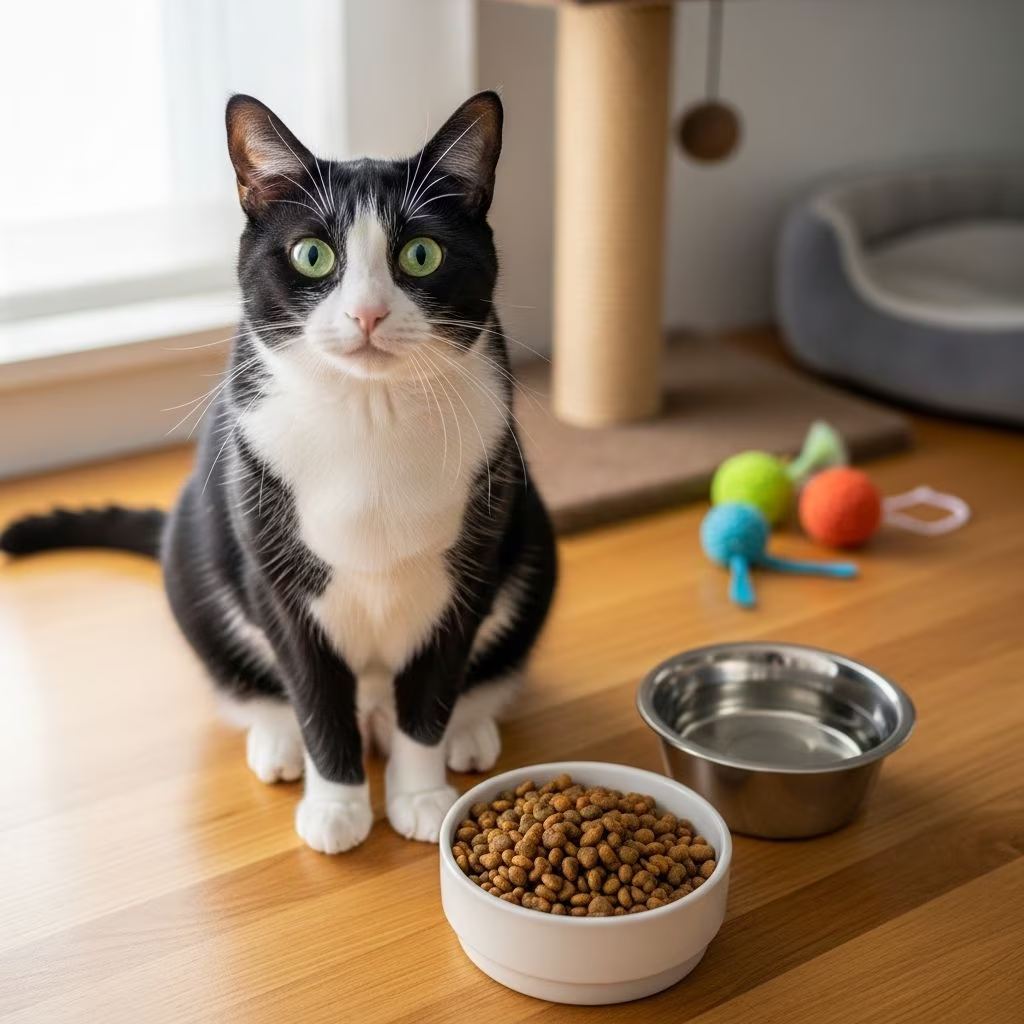
Cats require precise nutrition to maintain vitality, as they are obligate carnivores dependent on animal-derived proteins and specific nutrients like taurine.15 This guide explores feeding fundamentals across life stages, food selections, schedules, and common pitfalls to support your cat’s long-term well-being.
Understanding Feline Nutritional Needs
Feline biology demands diets rich in high-quality animal proteins, fats, and essential amino acids that cats cannot produce themselves, such as taurine for heart and eye health, arginine, and others including histidine, isoleucine, leucine, lysine, methionine, phenylalanine, threonine, tryptophan, and valine.12 Deficiencies can lead to severe issues like blindness or cardiac problems. Vitamins like B12, choline, and minerals, plus fatty acids such as arachidonic acid and EPA/DHA, are also critical, especially for growth phases.23
Commercial cat foods meeting AAFCO standards ensure these elements are present, with animal proteins listed first in ingredients for optimal bioavailability.37 Plant-based fillers should be minimal, as cats derive little benefit from carbohydrates.
Feeding Kittens: Fueling Rapid Growth
Kittens demand 2-3 times the energy of adults, with about 30% from protein to support explosive development until around one year old.15 Opt for kitten-specific formulas higher in calories, fats, proteins, vitamins, and minerals.
Introduce solids around weaning by creating a gruel of kitten food mixed with milk replacer. Gradually reduce liquid over weeks: by 5-6 weeks, use lightly moistened kibble; by 8-10 weeks, transition to dry or unmoistened food, always with fresh water available.1 Free-choice feeding works well for dry kitten food, providing constant access without spoilage risk.
- Weaning starts at 4 weeks with gruel.
- 5-6 weeks: Lightly moisten food.
- 8-10 weeks: Full dry food transition.
- Feed 3-4 times daily under 4 months, reducing as they mature.5
Adult Cat Nutrition: Maintaining Peak Condition
Adults (1-7 years) need at least 26% protein (ideally 35%+), fats for energy, and balanced vitamins/minerals to sustain muscle, coat, and organ function.3 Divide daily intake into 2-3 meals to mimic natural grazing, avoiding free-feeding for wet food to prevent spoilage.24
Monitor weight: adjust portions based on labels, activity, and vet advice. A 5-9 lb cat might need 1/3-2/3 cups dry food daily; 10-14 lbs, 3/4-1 cup, split across meals.4
| Weight (lbs) | Dry Food (cups/day) |
|---|---|
| 5-9 | 1/3 – 2/3 |
| 10-14 | 3/4 – 1 | *Varies by formula calories; consult packaging and vet.4 |
Senior Cats: Adjusting for Age-Related Changes
Over 7 years, cats face reduced metabolism, kidney strain, and dental issues. Choose senior formulas with controlled phosphorus, higher fiber for digestion, and joint-support nutrients like omega-3s.3 Feed smaller, frequent meals; wet food aids hydration and swallowing.
Energy needs may drop, but protein remains vital to prevent muscle loss. Annual vet checks guide transitions to prescription diets if arthritis, diabetes, or hyperthyroidism emerge.
Wet vs. Dry Cat Food: Pros, Cons, and Combinations
Wet food (75-85% moisture) boosts hydration, offers dense protein/fat, and appeals to picky eaters, but spoils quickly and costs more.37 Dry kibble conveniences owners, supports dental health via crunching, and suits free-feeding, though it has lower moisture requiring vigilant water provision.2
- Wet: Hydration, palatability, low carbs.3
- Dry: Dental benefits, affordability, storage ease.2
- Mix: Balances benefits; e.g., wet mornings, dry evenings.
Convert wet labels to dry-matter basis for fair comparison: divide guaranteed analysis by (1 – moisture %).3
Portion Control and Feeding Schedules
Overfeeding leads to obesity; use label guidelines as starting points, weighing food for accuracy. Most cats prefer 12-20 small meals daily, but practical schedules are 2-3 measured servings, 8-12 hours apart.16 Free-choice dry suits some, but portioned meals prevent overeating in prone cats.2
Clean water bowls daily; multiple stations encourage intake, especially in multi-cat homes or hot weather when needs rise.1
Safe Treats and Human Foods for Cats
Treats cap at 5-15% daily calories to avoid nutritional imbalance.17 Prioritize cat-specific options or plain cooked meats like chicken, turkey, beef, fish, eggs.
- Safe: Unseasoned boiled chicken, fish (no bones).3
- Toxic: Onions, garlic, chocolate, grapes, raisins, alcohol, caffeine, xylitol, raw dough.
Avoid milk post-weaning, as most cats are lactose-intolerant.
Special Considerations: Health, Activity, and Environment
Adjust for neutering (lower energy needs), pregnancy/lactation (increased calories/protein), or conditions like allergies requiring hypoallergenic formulas.2 Active indoor cats may need more than sedentary ones; outdoor hunters self-regulate but benefit from consistent meals.
Extreme temperatures elevate requirements; provide sheltered feeding areas.1
Common Feeding Mistakes and Fixes
Avoid generic pet food—cats need species-specific nutrition, not dog chow lacking taurine.5 Don’t ignore labels or free-feed wet food. Transition new foods gradually over 7-10 days to prevent digestive upset.
- Sudden diet changes cause diarrhea.
- Inadequate water leads to crystals/UTIs.
- Excess treats promote weight gain.7
FAQs on Cat Feeding
How often should I feed my adult cat?
Twice daily with portioned meals, or free-choice dry if weight-stable.14
Can cats eat dog food?
No—lacks essential taurine and has excess carbs.5
Is wet food better than dry?
Neither is superior alone; wet aids hydration, dry dental health—combine for best results.3
How do I know if my cat is overweight?
Ribs palpable but not visible; vet BCS (body condition score) confirms.4
When to switch kitten to adult food?
Around 12 months, based on breed/size.1
References
- Cat Nutrition Tips — ASPCA. Accessed 2026. https://www.aspca.org/pet-care/cat-care/cat-nutrition-tips
- Caring for Your Cat: Nutrition & Health FAQs — 9Lives. Accessed 2026. https://www.9lives.com/cat-care-and-nutrition/
- Cat Diet Guide: What Should I Feed My Cat? — Chewy. Accessed 2026. https://www.chewy.com/education/cat/food-and-nutrition/cat-nutrition
- How Much Should I Feed My Cat? — Purina. Accessed 2026. https://www.purina.com/articles/cat/feeding/guides/how-much-should-i-feed-my-cat
- Proper Nutrition for Cats — Merck Veterinary Manual. Accessed 2026. https://www.merckvetmanual.com/cat-owners/selecting-and-providing-a-home-for-a-cat/proper-nutrition-for-cats
- Nutrition – General Feeding Guidelines for Cats — VCA Animal Hospitals. Accessed 2026. https://vcahospitals.com/know-your-pet/nutrition-feeding-guidelines-for-cats
- Feeding Your Cat — Cornell University College of Veterinary Medicine. Accessed 2026. https://www.vet.cornell.edu/departments-centers-and-institutes/cornell-feline-health-center/health-information/feline-health-topics/feeding-your-cat



