

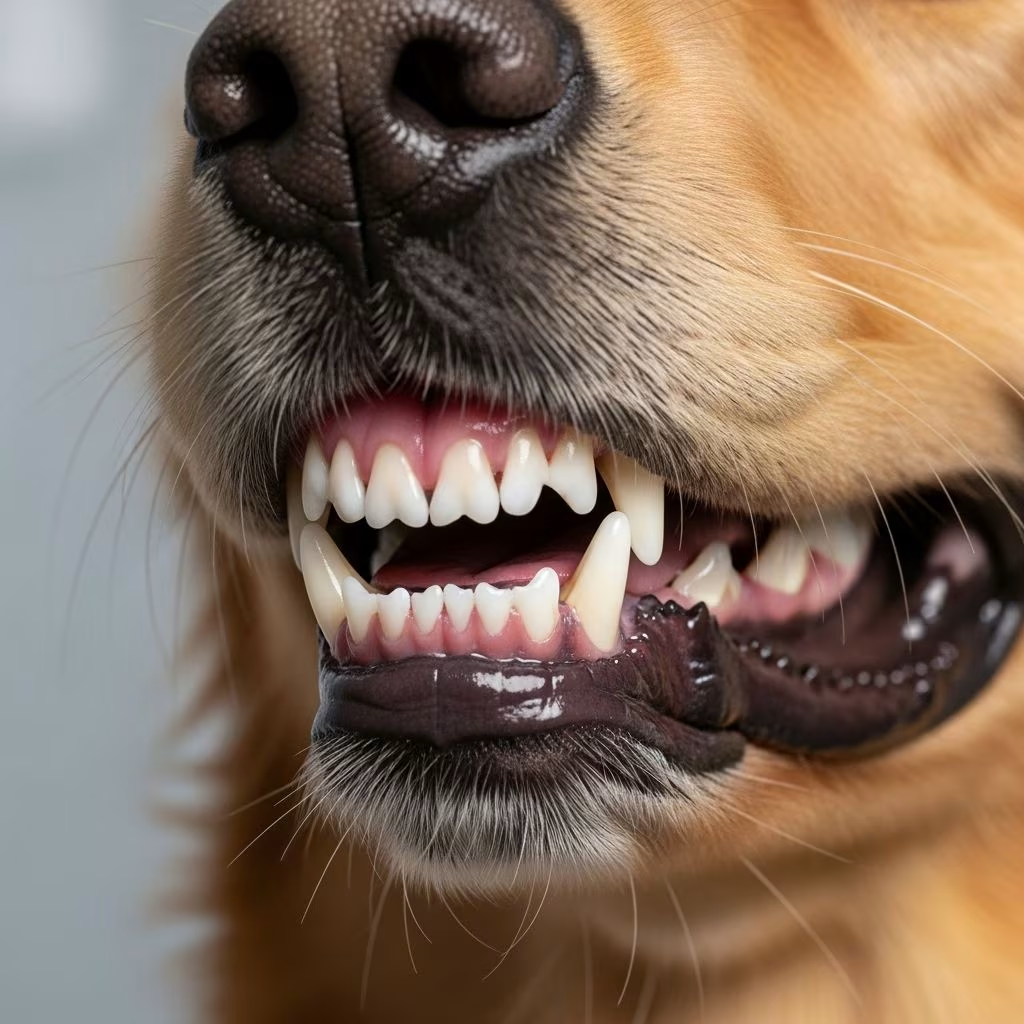
Healthy teeth and gums are foundational to your dog’s overall vitality, influencing everything from nutrition intake to systemic health. Neglecting oral care can lead to painful conditions that diminish quality of life, yet simple routines can prevent most problems. This guide explores practical steps for safeguarding your pet’s smile through home efforts and professional interventions.
Why Oral Health Matters for Dogs
Dogs rely on their mouths for eating, playing, and exploring, making dental integrity crucial. Plaque, a bacterial film, hardens into tartar within days, irritating gums and fostering infections. Untreated, this progresses to periodontal disease, affecting up to 80% of dogs by age three, potentially linking to heart, liver, and kidney complications via bacterial spread.
Maintaining clean teeth supports proper chewing, reduces pain, and enhances breath freshness. Breeds with crowded teeth or small jaws, like Pugs or Dachshunds, face higher risks, but all dogs benefit from proactive care. Early habits established in puppyhood yield lifelong advantages, minimizing costly treatments later.
Recognizing Early Warning Signs
Spotting issues promptly allows timely action. Common indicators include:
- Persistent bad breath: Often the first clue of bacterial overgrowth.
- Discolored teeth or tartar buildup: Yellow-brown deposits, especially on outer surfaces.
- Red, swollen, or bleeding gums: Signals gingivitis onset.
- Loose teeth or jaw pain: Advanced periodontal damage.
- Drooling excessively or pawing at mouth: Indicates discomfort.
- Difficulty eating or food dropping: Due to sore areas.
During annual exams, veterinarians check for these via visual inspection and probing. If noticed at home, schedule a visit immediately to halt progression.
Building an Effective At-Home Routine
Daily maintenance forms the cornerstone of prevention. Aim for brushing most days, supplemented by other tools for comprehensive coverage.
Mastering the Brushing Technique
Introduce brushing gradually to build tolerance. Use enzymatic toothpaste designed for dogs—never human varieties, which contain toxic xylitol. Pair with a soft, angled toothbrush or finger sleeve for reach.
- Wet the brush and apply a pea-sized toothpaste amount.
- Gently lift lips to expose teeth, starting with outer surfaces.
- Brush in circular motions for 30 seconds per side, focusing on molars.
- Reward immediately to associate positively; no rinsing needed as formulas are ingestible.
Frequency: Daily for optimal results, though 3-4 times weekly suffices initially. Outer surfaces receive priority since plaque accumulates there most.
Supplementary Cleaning Aids
For resistant dogs, integrate these VOHC-approved options (Veterinary Oral Health Council seal ensures efficacy):
| Tool | Benefits | Usage Tips |
|---|---|---|
| Water Additives | Reduces bacteria via every drink | Add daily to bowl; flavorless preferred |
| Dental Chews/Treats | Mechanically scrapes plaque | One daily; size-appropriate |
| Dental Wipes/Pads | Quick swab for gums/teeth | 2-3 times weekly |
| Powders | Probiotics combat bad bacteria | Sprinkle on food per meal |
| Prescription Diets | Textured kibble cleans while feeding | Vet-recommended only |
Combine methods for synergy; track progress with photos.
The Role of Professional Veterinary Cleanings
At-home efforts control plaque but not tartar, which requires scaling under anesthesia for safety and thoroughness. Annual or bi-annual cleanings suit most dogs, more frequent for high-risk breeds.
Procedure overview:
- Pre-op assessment: Bloodwork, exam to gauge anesthesia safety.
- Anesthesia: General for immobility and pain-free probing.
- Full-mouth X-rays: Detects hidden abscesses, fractures (80% of disease sub-gingival).
Ultrasonic and hand tools remove deposits. - Polishing: Smooths enamel to deter regrowth.
- Extractions/Repairs: If needed, with post-op pain management.
Post-care includes soft food and antibiotics if indicated. Costs vary by location/complexity, but prevention trumps expense.
Breed-Specific Considerations and Risk Factors
Not all dogs face equal threats. Brachycephalics (e.g., Bulldogs) suffer misalignment; toys/small breeds pack teeth tightly. Seniors accumulate more tartar; dry-food diets may help, but wet food alone risks buildup.
Genetics play a role, yet environment dominates—poor home care accelerates issues regardless. Puppies teethe around 6 months; provide safe chew toys to ease and clean naturally.
Nutrition’s Impact on Dental Vitality
Diet influences oral health profoundly. Crunchy kibbles abrade plaque; avoid sticky treats. Specialized dental formulas enlarge kibble for scrubbing action, proven to reduce tartar by 20-30%.
Balance with brushing; no diet substitutes professional care. Consult vets for tailored recommendations, especially for obese or allergy-prone dogs.
Long-Term Strategies for Lifelong Health
Sustain gains through consistency:
- Annual wellness integrates oral checks.
- Monitor during play/exams.
- Educate family on routines.
- Adapt for age—gentler for seniors.
Case studies show diligent owners averting extractions, preserving comfort into old age.
Frequently Asked Questions
Can I use human toothpaste on my dog?
No—xylitol is toxic. Opt for pet-specific enzymatic formulas.
How often should I schedule professional cleanings?
Yearly minimum; vet assesses based on exam findings.
What if my dog hates brushing?
Start slow with treats; pivot to chews/additives while training tolerance.
Does bad breath always mean dental problems?
Often yes, but rule out diet/GI issues via vet.
Are dental toys safe?
Choose durable, non-splintering; supervise to prevent choking.
Partnering with Your Veterinarian
View your vet as ally—discuss products, diets, cleaning timelines. Seek specialists for complex cases. Together, ensure your dog enjoys pain-free munching for years.
References
- Dog Dental Care: Everything You Need to Know About Professional Teeth Cleaning — Spall & Harvey Animal Hospital. 2023. https://spallandharveyanimalhospital.ca/dog-dental-care-everything-you-need-to-know-about-professional-teeth-cleaning/
- Caring for Your Dog’s Teeth: A Complete Guide — Lange Animal Hospital. 2024. https://langeanimalhospital.com/caring-for-your-dogs-teeth-a-complete-guide/
- A Guide to Dog Dental Care — Bond Vet. 2023. https://bondvet.com/blog/dog-dental-care-guide
- Dog Dental Care: 6 Ways to Keep a Dog’s Mouth Clean — PetMD. 2024-02-17. https://www.petmd.com/dog/general-health/dog-dental-care-ways-keep-dogs-mouth-clean
- Pet Dental Care — American Veterinary Medical Association (AVMA). 2025. https://www.avma.org/resources-tools/pet-owners/petcare/pet-dental-care



