

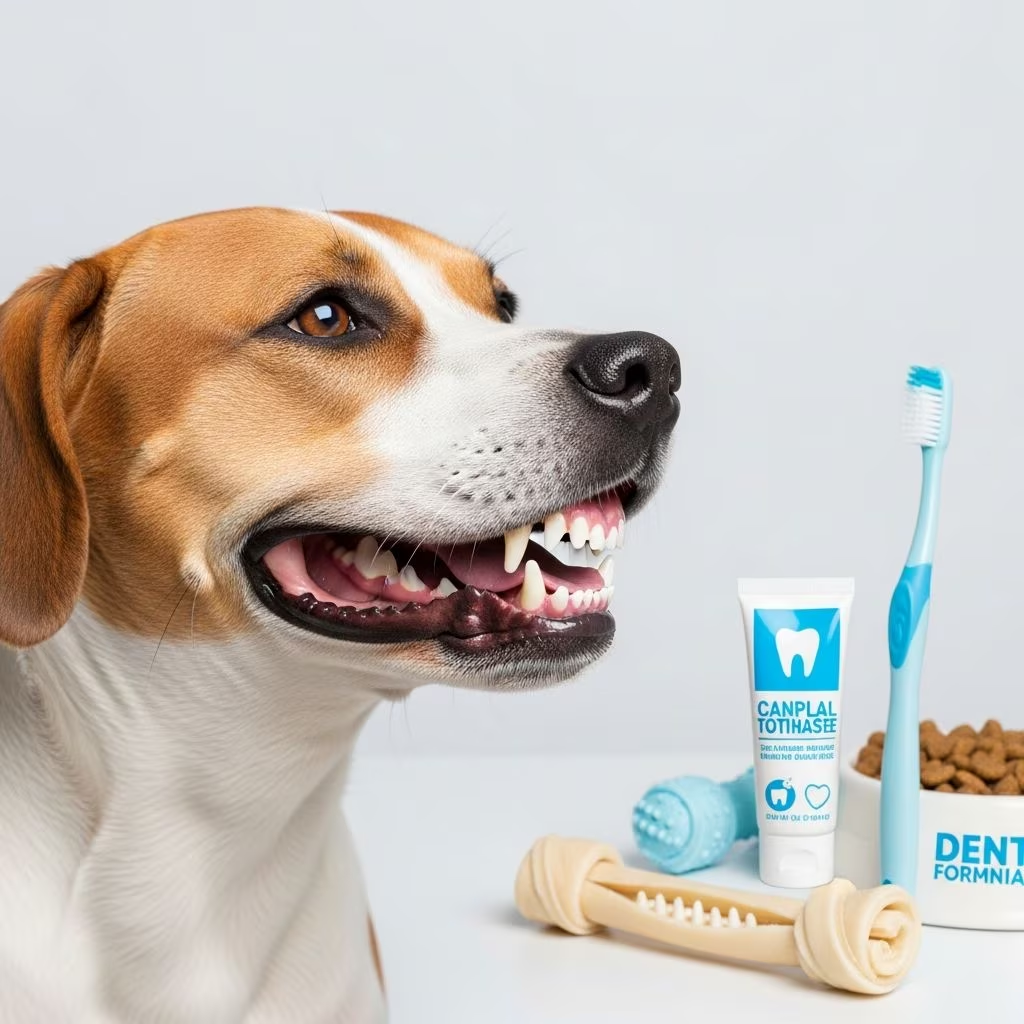
Your dog’s oral health directly influences their overall well-being, as poor dental hygiene can lead to painful conditions and even systemic diseases. Regular care at home combined with professional interventions keeps teeth strong and gums healthy, reducing veterinary costs and improving quality of life.
Why Dental Health Matters for Dogs
Dogs develop dental issues like plaque accumulation, gingivitis, and periodontal disease more rapidly than humans due to their diet and anatomy. By 3 years old, about 80% of dogs experience some form of dental disease, which can cause bacteria to enter the bloodstream, potentially affecting the heart, liver, and kidneys. Maintaining clean teeth supports proper chewing, digestion, and breath freshness while preventing fractures or abscesses.
Understanding your dog’s mouth starts with knowing their dentition: puppies have 28 baby teeth by 6 weeks, replaced by 42 permanent teeth around 6 months. These include incisors for grasping, canines for tearing, premolars for shearing, and molars for grinding. Neglect leads to tartar below the gumline, the primary cause of severe periodontal issues.
Building a Daily Oral Hygiene Routine
Daily tooth brushing remains the gold standard for preventing plaque, which hardens into tartar within days. Aim for brushing several times weekly at minimum, using dog-specific tools to avoid resistance.
Selecting the Right Tools and Products
- Dog Toothpaste: Enzymatic formulas in poultry, beef, or peanut butter flavors break down plaque safely; never use human toothpaste due to toxic ingredients like xylitol and fluoride.
- Brushes: Soft-bristled dog toothbrushes, dual-ended brushes, or finger brushes allow gentle access to all surfaces.
- Alternatives: Dental chews, wipes, gels, and water additives provide supplementary cleaning when brushing isn’t feasible.
Consult your vet for product recommendations tailored to your dog’s size and needs.
Step-by-Step Brushing Technique
- Introduce Gradually: Let your dog sniff and taste the toothpaste on your finger to build positive associations over a week.
- Position Comfortably: Sit your dog in a calm spot, lift lips gently to expose teeth without forcing the mouth open.
- Apply Paste: Dab a pea-sized amount on the brush or finger; focus on outer surfaces from front to back molars using circular motions along the gumline.
- Duration: Brush for 30-60 seconds per side, praising throughout to keep sessions short and stress-free.
- Rinse and Reward: Offer water and a treat afterward; inside surfaces are bonus if tolerated.
Consistency turns this into a bonding ritual, significantly cutting tartar buildup.
Spotting Early Warning Signs of Trouble
Proactive owners monitor for symptoms to catch issues before they worsen. Common indicators include:
Examine your dog’s mouth weekly during routines; early detection via vet exams prevents extractions.
Professional Dental Cleanings: What to Expect
Annual vet checkups include basic oral inspections, but full cleanings under general anesthesia are vital for thorough care. Vets probe for pockets (normal depth <3mm), scale tartar above/below gums with ultrasonic tools, polish surfaces, and apply sealants.
- Pre-Procedure: Bloodwork ensures anesthesia safety; fasting required.
- During: Full-mouth X-rays detect hidden abscesses or resorptive lesions.
- Post-Care: Pain meds, antibiotics if needed; resume home brushing after 24 hours.
Frequency depends on home care: diligent brushers may need cleanings every 2-3 years, while others annually. Costs range $500-$1500 based on dog size and complications.
Supplementary Tools for Enhanced Protection
Beyond brushing, integrate these vet-approved aids:
- Dental Chews: Rawhide-free options scrape tartar; choose VOHC-approved for efficacy.
- Water Additives: Antimicrobial solutions reduce bacteria when added to drinking water.
- Dental Diets: Kibble designed to mechanically clean teeth during meals.
- Gels and Rinses: Apply post-brushing for prolonged plaque control.
Rotate products to maintain interest and maximize benefits; always verify safety labels.
Breed-Specific Dental Vulnerabilities
Certain breeds face heightened risks:
- Small Breeds (e.g., Chihuahuas, Yorkies): Crowded teeth accelerate tartar.
- Brachycephalics (e.g., Bulldogs, Pugs): Misaligned jaws complicate cleaning.
- Large Breeds (e.g., Labs): Prone to fractures from hard chews.
Tailor routines accordingly, with extra vigilance for seniors whose enamel wears faster.
Long-Term Strategies for Lifelong Health
Sustain oral wellness through lifelong commitment: pair home efforts with bi-annual vet visits, adjust for age-related changes, and track progress with photos. Success stories abound—dogs on rigorous routines avoid anesthesia cleanings for years, enjoying pain-free lives.
Frequently Asked Questions
Can all dogs tolerate tooth brushing?
Most adapt with patience; start young and use rewards. Consult a trainer for resistant cases.
Is anesthesia safe for dental cleanings?
Yes, when pre-screened; modern protocols minimize risks, far outweighing untreated disease dangers.
What if my dog has a broken tooth?
Seek immediate vet care; extraction or root canal prevents infection spread.
Are dental treats enough without brushing?
No, they supplement but don’t replace mechanical brushing for full coverage.
How often should I schedule vet dental exams?
At every wellness visit, with cleanings based on home care effectiveness.
References
- Complete Guide to Dog Dental Health – Oral Care Tips — Lange Animal Hospital. 2023. https://langeanimalhospital.com/caring-for-your-dogs-teeth-a-complete-guide/
- The Ultimate Dog Dental Guide: Nurturing Your Canine’s Canines — Aurora Veterinary. 2024. https://www.auroravet.com/services/blog/ultimate-dog-dental-guide-nurturing-your-canines-canines
- Dental Cleaning in Dogs — VCA Animal Hospitals. 2025-03-15. https://vcahospitals.com/know-your-pet/dental-cleaning-in-dogs
- Dog Dental Care: What to Know — American Kennel Club. 2025-01-10. https://www.akc.org/expert-advice/health/dental-care-dog/
- Pet Dental Care — American Veterinary Medical Association. 2024-11-20. https://www.avma.org/resources-tools/pet-owners/petcare/pet-dental-care



