

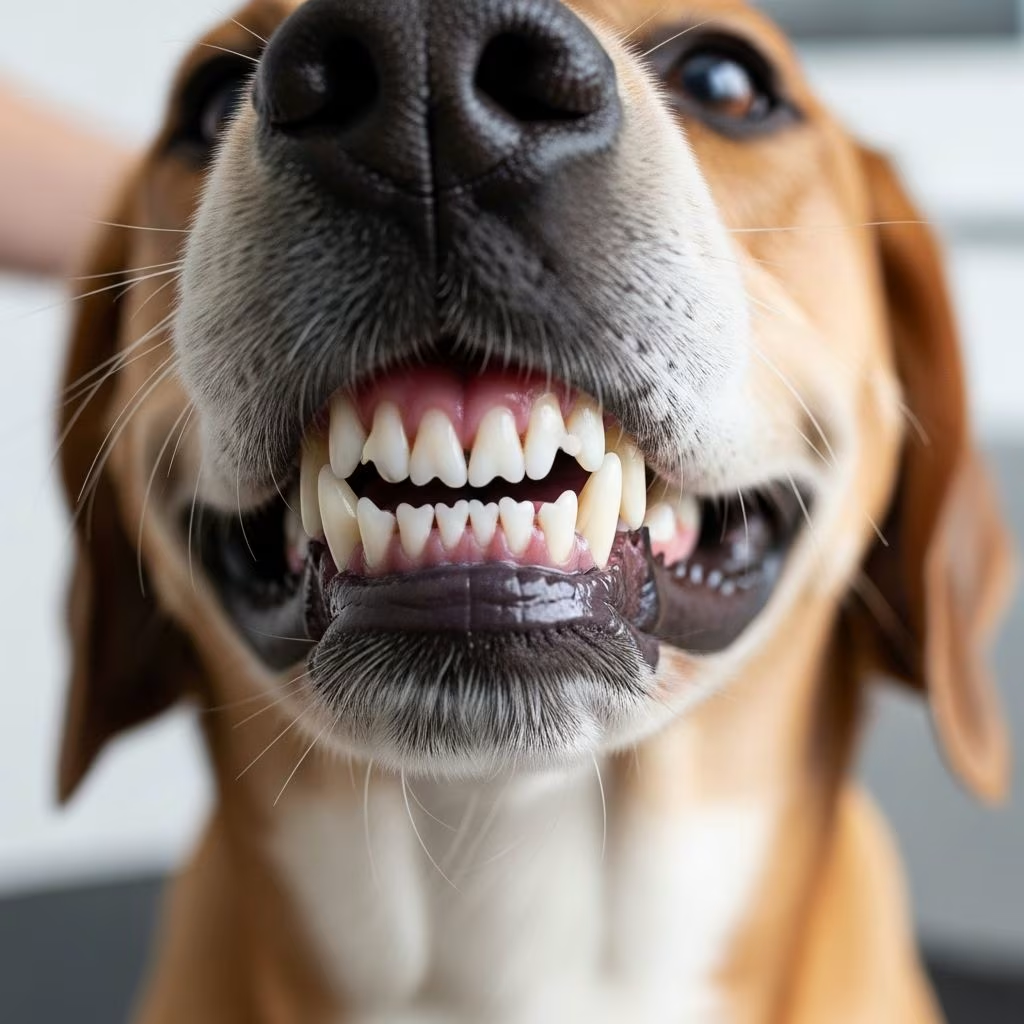
Proper dental care is vital for dogs, as oral health directly influences their overall well-being and longevity. Neglecting it can lead to painful conditions like periodontal disease, which affects a significant number of pets and may contribute to systemic health problems if bacteria spread beyond the mouth.
Why Oral Hygiene Matters for Your Dog’s Health
Dogs develop dental issues rapidly due to plaque accumulation, which hardens into tartar and irritates gums. This process starts as early as six months of age in some breeds, leading to gingivitis, tooth loss, and even heart or kidney complications from bacterial spread. Regular maintenance reduces these risks, promotes fresher breath, and enhances quality of life by preventing discomfort during eating or play.
Adult dogs typically have 42 teeth, designed for tearing and grinding, but they lack the self-cleaning ability of human saliva enzymes. Without intervention, 80% of dogs over three years old suffer from some periodontal disease, underscoring the need for proactive care.
Building a Daily Brushing Routine at Home
The cornerstone of canine dental care is consistent brushing, ideally daily or at least several times weekly. This removes plaque before it mineralizes, protecting enamel and gums. Start young to build tolerance, using enzymatic toothpaste formulated for dogs in appealing flavors like poultry or peanut butter—never human varieties, which contain toxic xylitol.
Choose tools suited to your dog’s size: soft-bristled brushes, dual-ended long-handled ones, or finger-mounted silicone brushes for gentle control. Begin sessions short, lifting lips to expose teeth and focusing on the outer surfaces and gumline with circular motions. Progress to inner surfaces and molars, where disease often hides. Reward with praise or treats to associate brushing positively.
- Select enzymatic dog toothpaste to break down bacteria without rinsing.
- Use a 45-degree brush angle against the gumline for optimal cleaning.
- Aim for 30 seconds per side, gradually increasing as your dog acclimates.
- Introduce gradually over weeks to minimize stress.
Supplementary Tools and Products for Oral Maintenance
Beyond brushing, incorporate vet-approved aids to enhance hygiene. Dental chews and treats with the Veterinary Oral Health Council (VOHC) seal mechanically scrape tartar and contain plaque-fighting ingredients. Water additives release enzymes to reduce bacteria, while oral gels form protective barriers on teeth.
Avoid rawhides or hard bones that risk fractures; opt for softer, digestible options. Rinse toys regularly to prevent bacterial harboring. These products bridge gaps between brushing, sustaining cleanliness.
| Product Type | Benefits | Vet Recommendation |
|---|---|---|
| Dental Chews | Reduces tartar by 20-70% with daily use | VOHC-approved only |
| Water Additives | Daily bacteria control without effort | Combine with brushing |
| Oral Gels | Forms sealant post-brushing | For high-risk breeds |
Spotting Early Warning Signs of Dental Problems
Monitor your dog’s mouth weekly for indicators like persistent bad breath, discolored teeth, red or bleeding gums, loose teeth, drooling, pawing at the mouth, or reluctance to eat hard food. These signal gingivitis or advanced periodontitis, where pockets form below gums harboring infection.
Breeds like small ones (e.g., Chihuahuas, Dachshunds) or those with crowded teeth face higher risks. Note changes in appetite or facial swelling, which may indicate abscesses. Early detection via home checks prevents escalation requiring extractions.
Professional Veterinary Dental Services Explained
Annual vet exams include oral inspections for tartar, fractures, or masses, but full cleanings demand general anesthesia for safety and thoroughness. Procedures involve scaling above and below gumlines with ultrasonic tools, probing pockets, polishing to smooth surfaces, and possible sealants or fluoride treatments.
X-rays detect hidden issues like root abscesses. Post-cleaning, follow home care instructions strictly to prolong results—many dogs need them yearly after age three. Costs vary by location and complexity, but prevention saves thousands long-term.
Nutrition’s Role in Supporting Strong Teeth
Diet impacts dental health profoundly. Kibble formulated for dental benefits has larger pieces that scrape teeth during chewing, reducing plaque by up to 30% in studies. Avoid soft foods promoting buildup; supplement with crunchy vegetables like carrots as safe chews.
Ensure balanced calcium-phosphorus ratios for enamel strength. Fresh water flushes debris, and omega-3s from fish oil combat inflammation in gums. Consult your vet for prescription dental diets if disease is present.
Breed-Specific Dental Vulnerabilities and Care Adjustments
Not all dogs face equal risks. Brachycephalic breeds (Pugs, Bulldogs) suffer misalignment, while toys like Yorkies pack crowded teeth prone to rapid decay. Large breeds may fracture molars on hard items. Tailor routines: more frequent for susceptibles, gentler tools for seniors.
Puppies shed 28 baby teeth around 6-12 months; monitor for retained ones causing permanent misalignment. Seniors need softer brushes to avoid gum trauma amid recession.
Long-Term Strategies for Lifelong Oral Health
Sustain wellness through integrated habits: daily brushing, weekly chews, monthly vet mouth checks during routine visits, and professional cleanings as needed. Track progress with photos of teeth over time. Educate family on protocols for consistency.
Success stories abound—dogs avoiding surgery via diligent home care live pain-free. Invest time now for a healthier, happier companion tomorrow.
Frequently Asked Questions (FAQs)
Can I use human toothpaste on my dog?
No, it contains fluoride and xylitol toxic to dogs. Stick to pet-specific enzymatic formulas.
How often should I schedule professional cleanings?
Depends on home care efficacy; typically annually after age three, per vet assessment.
What if my dog resists brushing?
Start slow with finger brushes and rewards; some accept chews alone initially.
Does dental disease affect other organs?
Yes, bacteria can enter bloodstream, risking heart valve issues or kidney strain.
Are dental chews enough without brushing?
They’re helpful but inferior to brushing; combine for best results.
References
- Caring for Your Dog’s Teeth: A Complete Guide — Lange Animal Hospital. 2023. https://langeanimalhospital.com/caring-for-your-dogs-teeth-a-complete-guide/
- The Ultimate Dog Dental Guide: Nurturing Your Canine’s Canines — Aurora Veterinary Clinic. 2024. https://www.auroravet.com/services/blog/ultimate-dog-dental-guide-nurturing-your-canines-canines
- Dental Cleaning in Dogs — VCA Animal Hospitals. 2025-03-01. https://vcahospitals.com/know-your-pet/dental-cleaning-in-dogs
- Dog Dental Care: What to Know — American Kennel Club. 2024-11-15. https://www.akc.org/expert-advice/health/dental-care-dog/
- Pet Dental Care — American Veterinary Medical Association. 2025-02-20. https://www.avma.org/resources-tools/pet-owners/petcare/pet-dental-care



